KUALA LUMPUR,MAY, 2026 – The strategic Strait of Hormuz has once again become a center of global concern after renewed military exchanges involving Iran raised fears that the fragile ceasefire in the Middle East may be collapsing.
According to regional reports, Iranian forces exchanged fire following allegations that ceasefire agreements involving the United States and allied forces had been violated. The situation has increased tensions across the Gulf region and triggered renewed concerns over the security of one of the world’s most important oil shipping routes.

The Strait of Hormuz remains a critical maritime chokepoint through which nearly 20 percent of the world’s oil supply passes every day. Any disruption in the area has immediate consequences for global energy markets and international trade.
Iran Accuses US and Allies of Violating Ceasefire
Iranian officials claimed recent military movements and attacks near the Gulf region breached previous ceasefire understandings reached earlier this year.
Iran’s military leadership warned that any attempt to challenge its control or security operations around the Strait of Hormuz would be met with force. Reports also suggested Iranian naval forces increased patrol activity near strategic shipping lanes after tensions escalated.
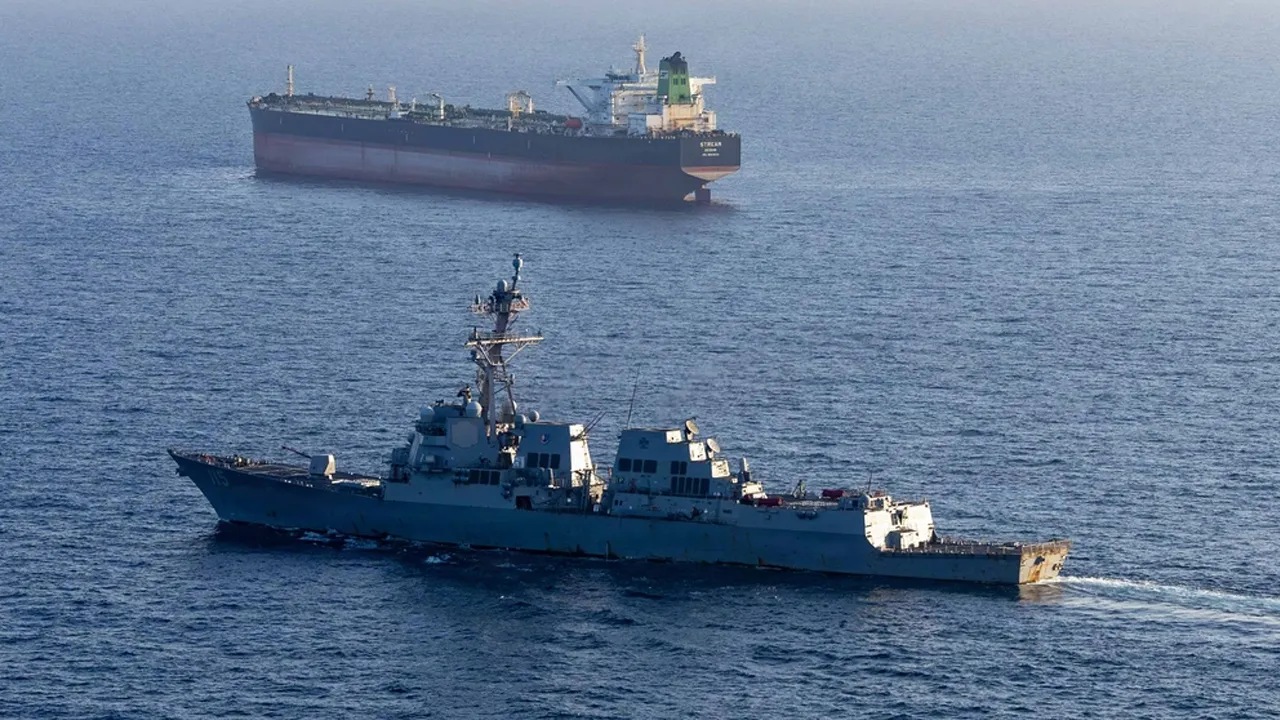
Meanwhile, US military officials confirmed that American naval forces had engaged Iranian boats during operations aimed at protecting commercial shipping routes and reopening safe maritime passage through the Strait.
The exchange has further complicated diplomatic efforts that were previously aimed at stabilizing the region.
US Military Expands Operations Around Hormuz
The United States reportedly intensified naval operations in the Gulf after commercial shipping activities were threatened by renewed Iranian restrictions and military actions.
According to reports, US forces successfully escorted merchant vessels through the Strait of Hormuz as part of a broader effort to ensure international shipping access remains open.
American officials stated that several Iranian small boats approaching civilian vessels were intercepted during the operations, while tensions between naval forces continued rising throughout the week.
The United Arab Emirates also claimed it came under attack during the latest escalation, increasing fears that the conflict could spread further across the Gulf region.
Global Oil Markets Closely Watching Situation
The renewed instability in the Strait of Hormuz has once again placed global oil markets under pressure.
Energy analysts warn that any prolonged disruption to shipping traffic in the region could cause sharp increases in oil prices and create wider inflationary effects across the global economy.
The Strait serves as a major export route for oil-producing countries including Saudi Arabia, Iran, Iraq, Kuwait, and the United Arab Emirates. Because of its strategic importance, even temporary disruptions can significantly affect fuel prices and global supply chains.
Shipping companies and insurers are also reportedly reassessing security risks for vessels operating near the Gulf.
Ceasefire Stability Faces Serious Test
The latest military exchange is being viewed as one of the biggest tests yet for the fragile ceasefire arrangement established earlier this year.
Political analysts believe the situation remains highly unstable due to ongoing disagreements involving regional security, sanctions, military presence, and maritime access.
Iran previously reopened parts of the Strait under temporary arrangements before later reinstating restrictions following accusations of continued pressure from the United States and Israel.
Recent incidents involving missiles, drones, and naval patrols have further reduced confidence that the ceasefire can hold long term.
Regional and Global Powers Monitor Developments
Governments across Asia, Europe, and the Middle East are closely monitoring developments due to the potential impact on energy supplies and international trade routes.
Several Asian economies remain heavily dependent on oil shipments passing through the Strait of Hormuz, making stability in the region a major global economic concern.
Security experts warn that continued escalation could trigger broader geopolitical consequences involving allied nations and military coalitions operating in the Gulf region.
At the same time, diplomatic channels remain active as regional powers attempt to prevent the situation from developing into a larger military confrontation.
Although diplomatic efforts are still ongoing, tensions around the Strait of Hormuz remain highly volatile.
The renewed exchange of fire has highlighted how fragile the current ceasefire situation remains and how quickly regional tensions can escalate.
Global markets, governments, and energy industries are expected to continue monitoring Iran’s next moves closely as fears of wider instability in the Middle East continue affecting international politics and economic sentiment.