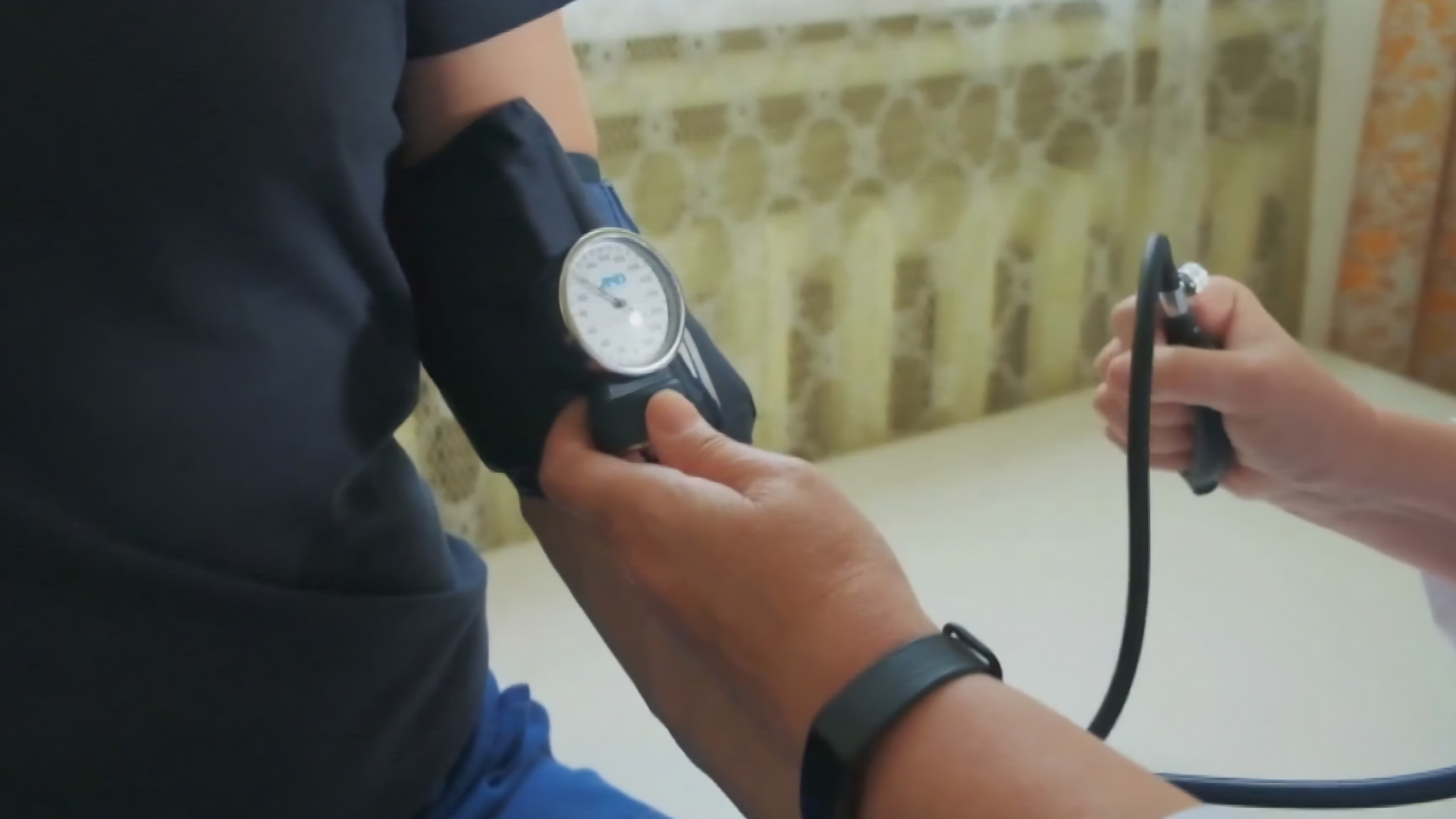
KUALA LUMPUR, May,2026 — High blood pressure is no longer a condition associated only with older adults, as medical experts are warning that more young people are now at risk of developing hypertension and long-term heart complications.
The warning follows growing concern that younger adults may be living with high blood pressure without realising it, especially because hypertension often develops quietly and does not always show clear symptoms in the early stage. The Harian Metro article preview stated that high blood pressure is no longer only linked to senior citizens, with medical experts warning that more young people are affected.

Hypertension, also known as high blood pressure, happens when pressure in the blood vessels remains persistently high. According to the World Health Organization, the higher the pressure, the harder the heart has to pump blood around the body. Over time, this extra workload can damage the heart and other major organs.
The condition is often called a “silent killer” because many people do not experience symptoms. WHO states that most people with hypertension do not feel anything unusual, making blood pressure screening the most reliable way to detect the condition.
This is especially concerning for young adults who may assume they are healthy because they are still able to work, study, exercise or carry out daily routines as usual. In reality, high blood pressure can slowly damage the arteries, heart, kidneys and brain before any major warning sign appears.
Malaysia’s National Health and Morbidity Survey 2023 showed that 29.2% of adults in Malaysia have hypertension. The same fact sheet also recorded that 17.3% were known hypertension cases, while 11.9% had raised blood pressure but were not aware they had hypertension.
A separate report on NHMS 2023 noted that about 6.7 million adults in Malaysia, or roughly one in three adults, have hypertension. It also highlighted that the largest proportion of those unaware of their hypertension status were aged 18 to 39, showing why the issue is increasingly relevant among younger Malaysians.
Doctors and public health experts are concerned because untreated hypertension can lead to serious complications such as heart disease, heart failure, stroke and kidney disease. WHO explains that untreated hypertension can cause heart disease and stroke, while excessive pressure may harden arteries and reduce blood and oxygen flow to the heart.
For young adults, the danger is not only the current blood pressure reading, but the number of years the body is exposed to high pressure. A person who develops hypertension in their 20s or 30s may carry the condition for decades if it is not detected and controlled early.
This long-term exposure can make the heart work harder than normal. Over time, the heart muscle may thicken, enlarge or weaken, increasing the risk of heart failure. Blood vessels can also become stiff or damaged, raising the risk of heart attack and stroke later in life.
Lifestyle habits are among the major reasons younger adults may develop high blood pressure. WHO lists unhealthy diet, excessive salt intake, physical inactivity, tobacco and alcohol use, and being overweight or obese as modifiable risk factors. Family history, age and existing conditions such as diabetes or kidney disease can also increase risk.
In Malaysia, the NHMS 2023 fact sheet also showed several related lifestyle and health concerns. It found that 54.4% of adults were overweight or obese, 54.5% had abdominal obesity, 49.9% had sedentary behaviour, and 95.1% did not meet the recommended intake of five servings of fruits and vegetables per day.
These risk factors matter because hypertension rarely exists alone. Many people with high blood pressure may also have high cholesterol, diabetes, obesity or unhealthy lifestyle patterns. When these conditions occur together, the risk of cardiovascular disease becomes higher.
Public health experts also warn that young people often delay screening because they feel healthy. NHMS 2023 reported that two in five adults did not undergo screening for diabetes, hypertension or high cholesterol in the previous 12 months, with many saying they felt healthy, had no symptoms or lacked time.
This mindset can be dangerous because high blood pressure can remain hidden for years. A person may only discover the problem after developing complications such as chest pain, stroke symptoms, kidney problems or heart failure.
WHO says blood pressure measurement is quick and painless. It can be done at home using an automated blood pressure monitor, but assessment by a healthcare professional remains important to understand overall risk and related health conditions.
Medical experts generally advise adults, including young adults, to check their blood pressure regularly, especially if they have a family history of hypertension, are overweight, smoke, consume high-salt foods, rarely exercise, or have diabetes or high cholesterol.
Lifestyle changes can help prevent and control high blood pressure. WHO recommends eating more vegetables and fruits, reducing salty foods, being more physically active, losing weight if overweight, avoiding tobacco, limiting alcohol and taking prescribed medicines properly when needed.
For physical activity, WHO recommends at least 150 minutes of moderate-intensity aerobic activity per week or 75 minutes of vigorous-intensity activity, along with strength-building exercises at least two days each week.
However, lifestyle changes should not replace medical treatment when medication is required. People with consistently high readings should seek advice from a doctor rather than relying only on home remedies, supplements or temporary diet changes.
Warning symptoms such as severe headache, chest pain, dizziness, breathing difficulty, blurred vision, confusion, nosebleeds or abnormal heart rhythm can occur when blood pressure is very high. WHO advises people with these symptoms and high blood pressure to seek care immediately.
The growing concern over hypertension among young adults shows the need for earlier awareness, more frequent screening and stronger lifestyle education. High blood pressure may not always be visible, but its impact on the heart and blood vessels can be serious if ignored.
For young Malaysians, the key message is simple: do not wait until symptoms appear. Regular blood pressure checks, healthier eating, active living and early medical advice can help prevent long-term heart damage and reduce the risk of life-threatening complications.