KUALA LUMPUR, MAY, 2026 – The Malaysian Maritime Enforcement Agency has officially ended the search and rescue operation for victims of the Pulau Pangkor migrant boat tragedy, six days after a boat believed to be carrying Indonesian migrants capsized in Perak waters.
The Perak MMEA said the operation was called off at 7pm on Saturday, May 16, after no new discoveries were made within the search area. The SAR operation had been launched following the incident on May 11, when the boat capsized about 8.2 nautical miles off Pulau Pangkor while travelling towards several destinations in Malaysia.

To date, authorities confirmed that 39 victims had been found. Of that number, 23 were rescued alive, while 16 others were confirmed dead. The figure also means that the initial information given on the first day of the operation, which stated that 37 people were believed to be on board, is now believed to be inaccurate.
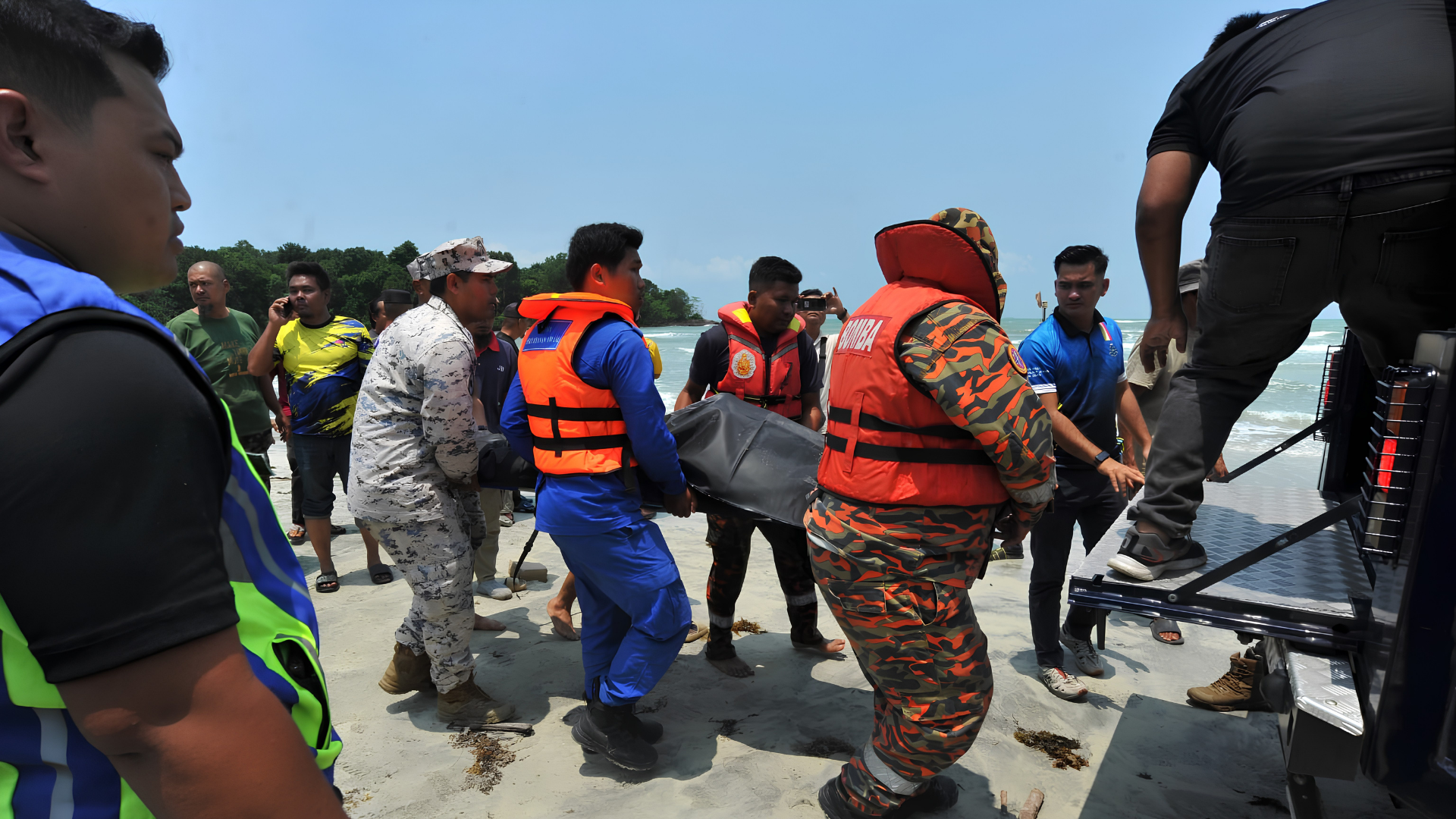
According to the authorities, the victims who died comprised nine men and seven women. Their bodies were sent to Taiping Hospital and Teluk Intan Hospital for post-mortem and identification procedures.
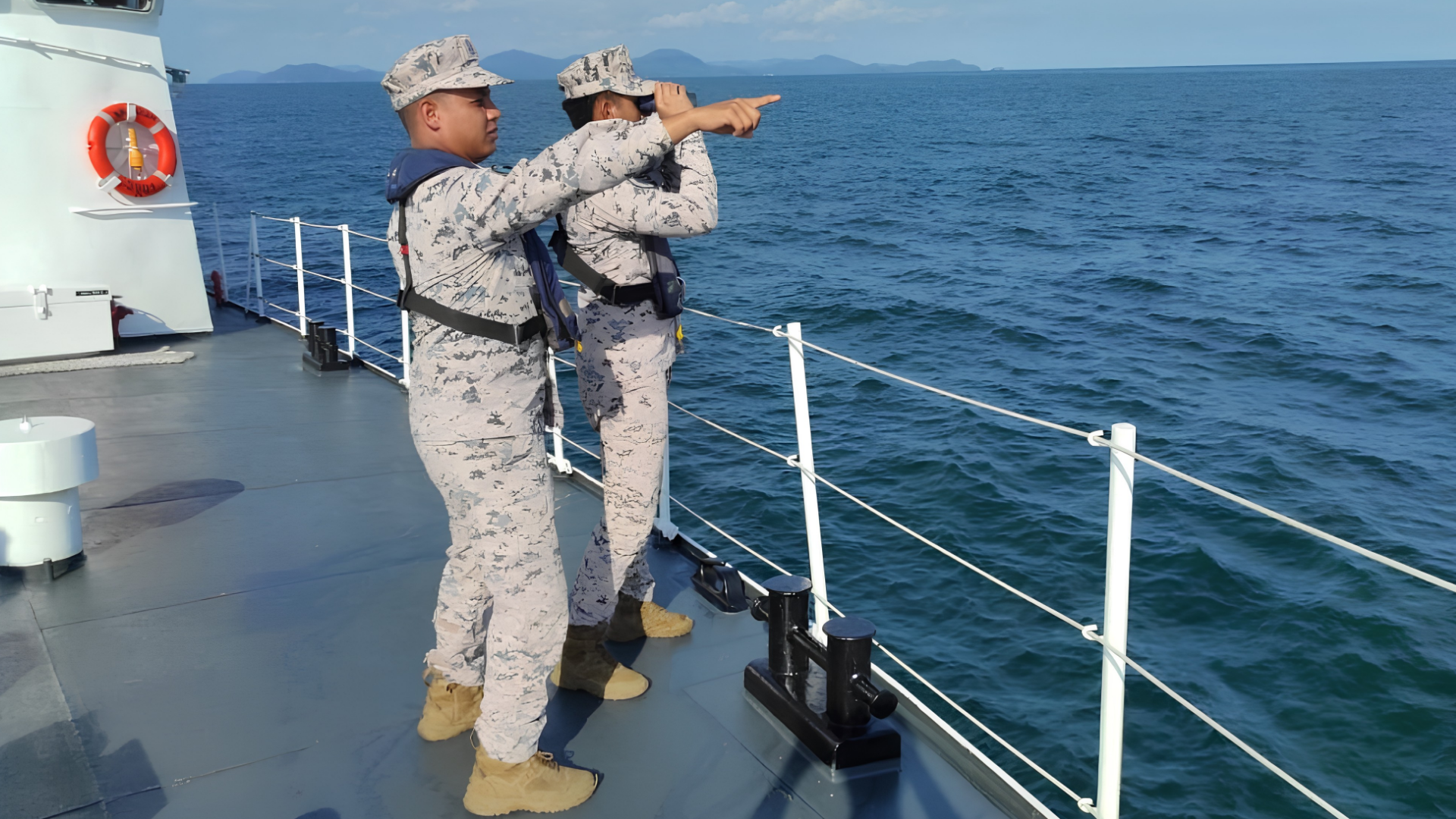
The tragedy first came to light after MMEA received a report at about 5.30am from a local fisherman who found several victims floating at sea and sought immediate assistance. A search and rescue operation was then activated, involving MMEA assets, the Marine Police Force, the Royal Malaysian Navy and members of the local fishing community.
Earlier in the operation, a local fishing vessel successfully rescued 23 victims, comprising 16 men and seven women. All survivors were handed over to authorities for further investigation at the Manjung District Police Headquarters.
Preliminary investigations found that the victims were believed to have departed from Kisaran, Indonesia, on May 9 before heading to Malaysia. Their intended destinations were believed to include several areas such as Penang, Terengganu, Selangor and Kuala Lumpur.
The incident has once again highlighted the dangers of illegal sea crossings between Indonesia and Malaysia, especially when migrants travel in unsafe or overloaded vessels. Such journeys are often made in search of work opportunities, but they expose passengers to serious risks including capsizing, drowning and exploitation.
Throughout the six-day operation, authorities worked with multiple agencies and local maritime communities to cover the search area. The involvement of fishermen was also significant, as the first group of survivors was detected and rescued with help from a local fishing vessel.
The tragedy also raised questions over the actual number of passengers on board, as the final number of victims found exceeded the initial estimate. MMEA said the first-day information suggesting 37 victims was believed to be inaccurate, after the confirmed total rose to 39.
For the families of the victims, the end of the SAR operation marks a painful stage in the aftermath of the tragedy. While 23 people survived, the deaths of 16 others make this one of the more serious recent maritime incidents involving migrants in Malaysian waters.
The case is also expected to remain under investigation, particularly on how the boat entered Malaysian waters, who arranged the journey and whether any syndicate was involved in transporting the migrants. Authorities are likely to examine the survivors’ statements, recovered belongings and the movement route from Indonesia to Malaysia.
Maritime enforcement agencies have repeatedly warned that undocumented sea crossings are dangerous, especially when vessels are not built or equipped for long journeys. In many cases, passengers travel at night or before dawn to avoid detection, increasing the risk of accidents when weather, sea conditions or vessel conditions become unstable.
The Pulau Pangkor tragedy serves as another reminder of the human cost behind irregular migration routes. While enforcement remains important, the incident also underlines the need for stronger cross-border cooperation to prevent unsafe journeys, curb migrant smuggling and protect vulnerable people from life-threatening conditions at sea.
For now, the official SAR operation has ended, but identification procedures and further investigations will continue as authorities work to establish the full details behind the tragedy.