KUALA LUMPUR, MAY, 2026 –Malaysia’s Ministry of Health has strengthened national preparedness and monitoring measures after the World Health Organization declared the Ebola outbreak caused by the Bundibugyo virus in the Democratic Republic of Congo and Uganda a Public Health Emergency of International Concern.
The Health Ministry said no Ebola cases have been reported in Malaysia so far. However, authorities are increasing readiness due to the risk of imported cases through international travel, especially following the outbreak in central Africa.

According to the ministry, Malaysia is monitoring travellers entering the country from Uganda and Congo, including passengers who may arrive through international transit hubs such as Dubai, Doha and Singapore. At present, there are no direct flights from those two countries to Malaysia.
The latest measures include stronger surveillance at international entry points, early detection of suspected cases, and readiness at health facilities for isolation and case management. The Health Ministry is also ensuring preparedness of personal protective equipment, training for healthcare workers, and laboratory diagnostic capacity through cooperation with the Institute for Medical Research and the National Public Health Laboratory.
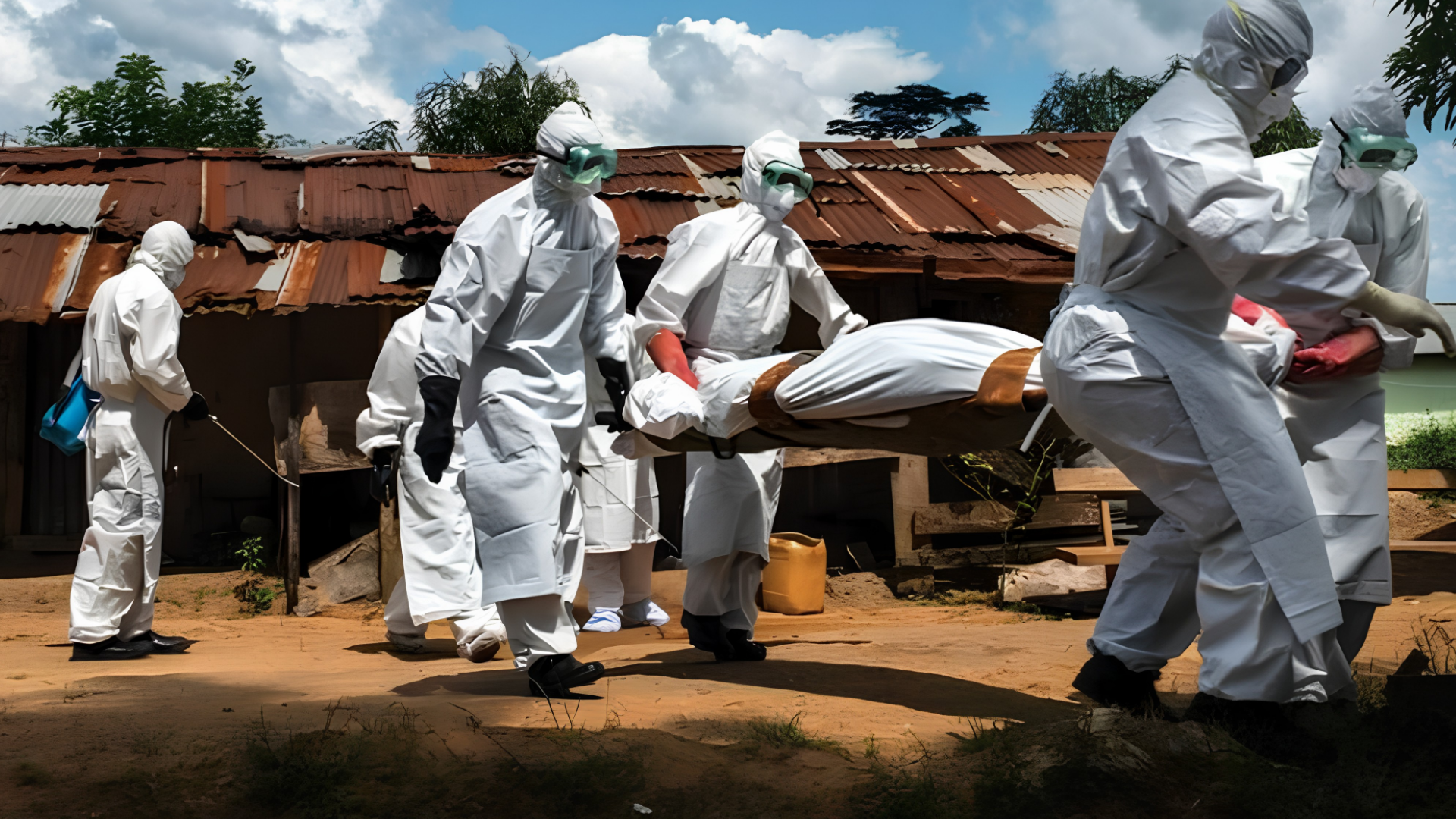
The WHO declared the Bundibugyo Ebola outbreak a Public Health Emergency of International Concern on May 17, 2026, but said it does not meet the criteria of a pandemic emergency. As of May 16, WHO reported eight laboratory-confirmed cases, 246 suspected cases and 80 suspected deaths in Ituri Province, DR Congo, across at least three health zones including Bunia, Rwampara and Mongbwalu. Two confirmed cases, including one death, were also reported in Kampala, Uganda, involving individuals with travel history from DR Congo.
The WHO said the outbreak remains concerning because of the possibility of wider regional spread, high population movement, insecurity in affected areas, and uncertainty over the actual number of infections. Unlike Ebola outbreaks caused by the Zaire strain, there are currently no approved Bundibugyo virus-specific vaccines or treatments.
Malaysia’s Health Ministry said it is also strengthening global risk monitoring and coordination with WHO, the Malaysian Border Control and Protection Agency, airlines and other relevant agencies. These efforts are aimed at improving early risk assessment and supporting preventive action before any suspected case becomes a wider public health concern.
The ministry has advised individuals with recent travel history to affected countries to seek immediate medical treatment if they develop symptoms such as fever, body aches, vomiting or bleeding within 21 days after returning. WHO states that the incubation period for Ebola disease can range from two to 21 days.
Ebola is a severe and often fatal disease that spreads through direct contact with the blood or body fluids of an infected person, or through contaminated objects and surfaces. Symptoms may include fever, fatigue, muscle pain, headache, sore throat, vomiting, diarrhoea, abdominal pain, rash, and in some cases, internal or external bleeding.
Despite the increased preparedness, Malaysia is not currently at a high-alert level for Ebola. Deputy Health Minister Datuk Hanifah Hajar Taib said the situation remains under control, but the ministry continues to monitor unusual symptoms among patients, including individuals arriving from overseas.
The Health Ministry is also in contact with government and private health clinics and hospitals to monitor any suspicious cases. It has urged the public to rely only on official updates from KKM and WHO, and to avoid spreading unverified information that could create unnecessary public anxiety.
Public health experts generally view early detection, isolation, contact tracing, infection prevention and risk communication as critical tools in controlling Ebola outbreaks. WHO also advises against unnecessary border closures and travel restrictions, warning that such actions could push movement into informal and unmonitored routes.
For Malaysia, the current focus is prevention and readiness. While there is no confirmed case in the country, authorities are taking early action to reduce the risk of imported infection, strengthen screening systems, and ensure health facilities are prepared to respond quickly if a suspected case is detected.
The situation will continue to be monitored closely as WHO and affected countries work to contain the outbreak in DR Congo and Uganda. Malaysia’s response remains centred on surveillance, public awareness, healthcare preparedness and coordination with international health authorities.