KUALA LUMPUR,MAY,2026 – Lebanon has strongly condemned a fresh wave of Israeli airstrikes, describing the attacks and evacuation orders in the south of the country as a form of “collective punishment” after deadly raids killed civilians, including women and children.
The latest escalation came after Israel carried out strikes near Beirut and across southern Lebanon, despite a ceasefire that was supposed to reduce fighting between Israel and Hezbollah. According to Malay Mail, the attack near the capital marked the first Israeli raid close to Beirut in weeks.

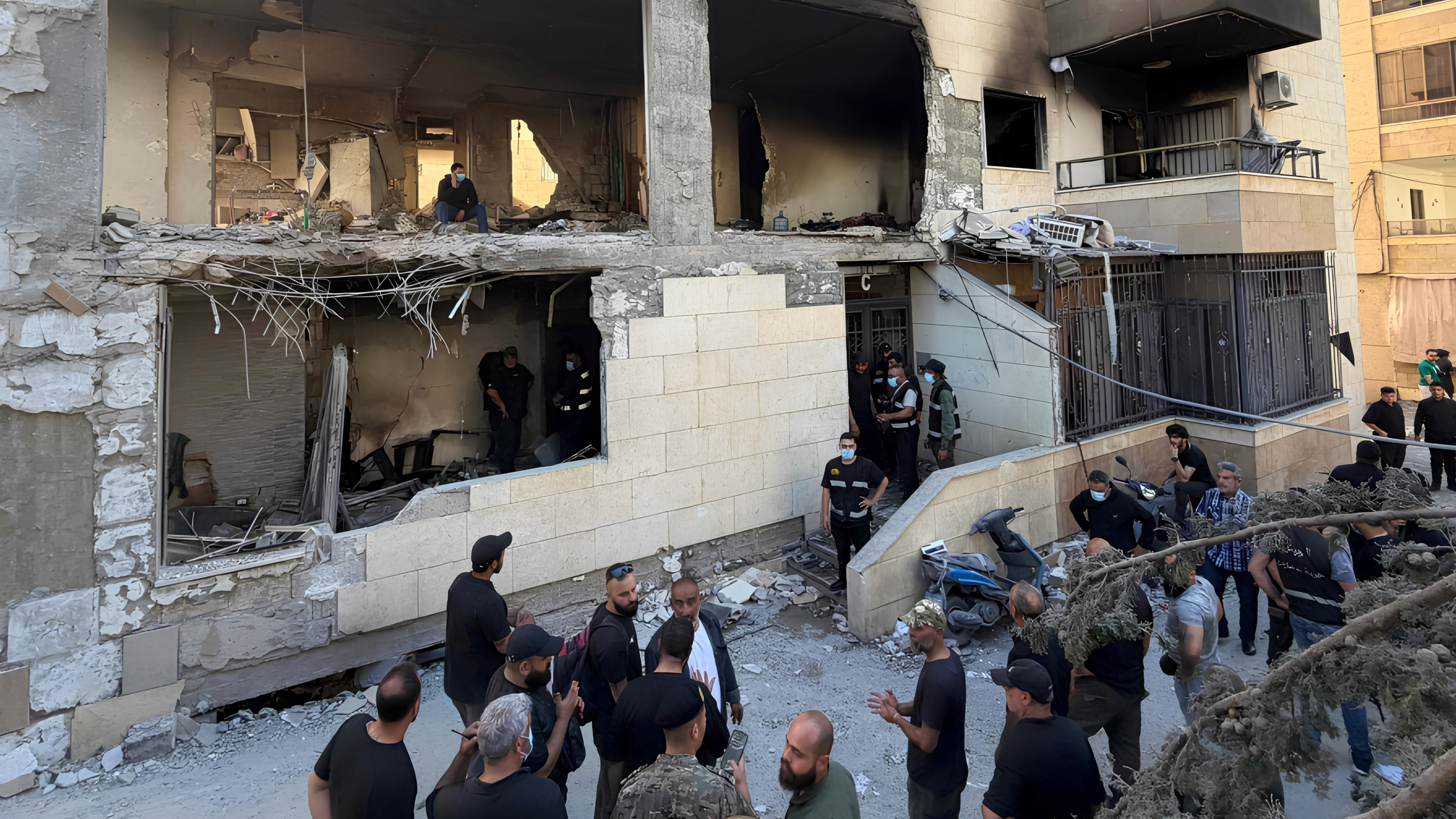
Lebanese authorities said a strike hit an apartment in the Choueifat area, south of Beirut and near the capital’s southern suburbs. The area is located close to a Hezbollah stronghold. Israel’s military said it had carried out a precise strike in Beirut, but did not identify the target.
Lebanon’s Health Ministry said the Choueifat strike killed three people, including a woman, her baby daughter and a child of Syrian nationality. Fifteen others were wounded in the attack, among them children and women.
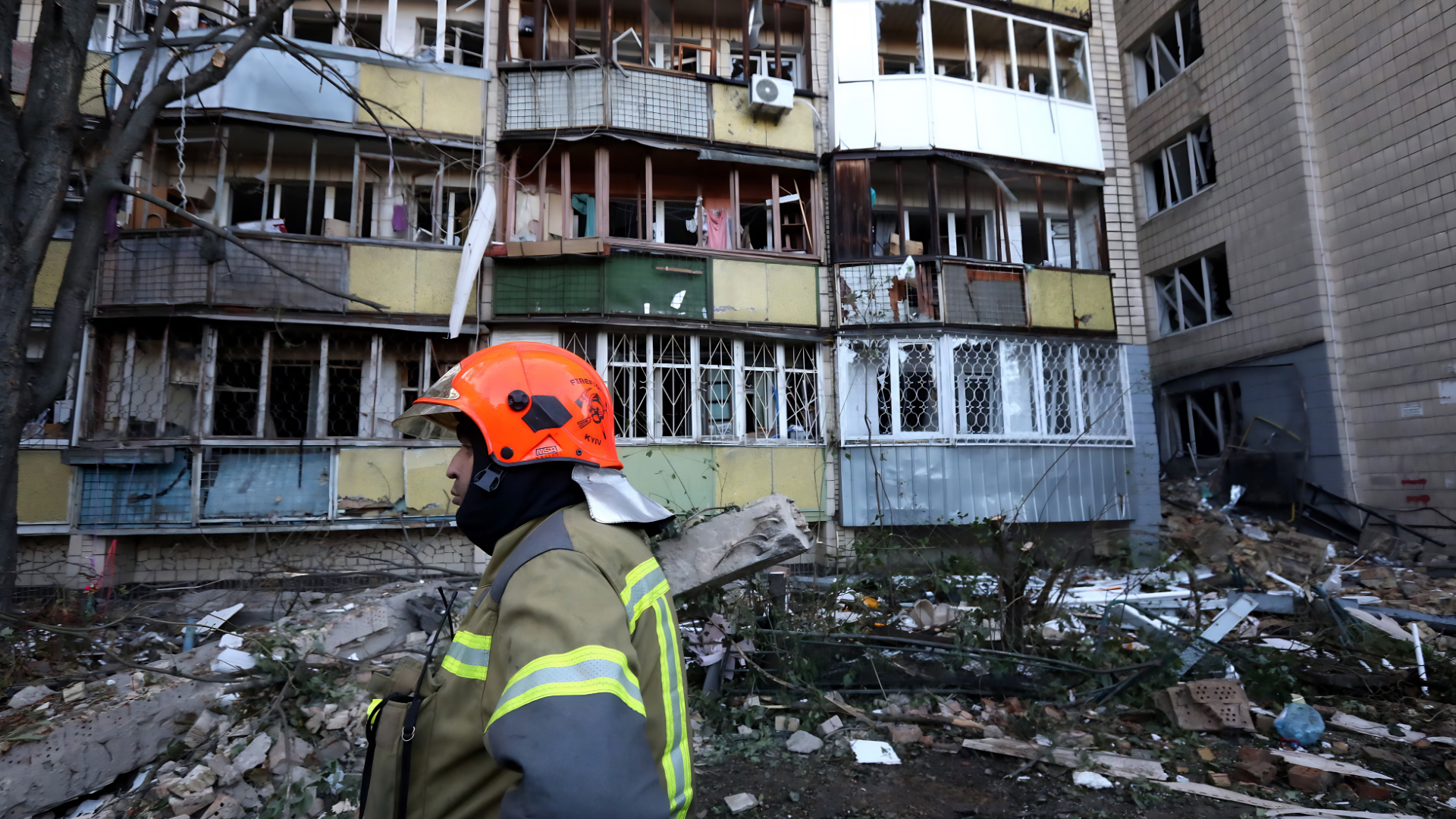
The raid near Beirut followed heavy Israeli attacks in southern Lebanon, where authorities said at least 14 people were killed, including three children. The series of strikes has deepened concern over the worsening security situation and the collapse of calm that had been expected under the ceasefire.
The escalation is particularly sensitive because Lebanon and Israel were preparing for talks between military delegations at the Pentagon, followed by another round of US-brokered discussions. These talks were expected to address the ongoing conflict and repeated accusations of ceasefire violations.
The ceasefire between Israel and Hezbollah was supposed to take effect on April 17, 2026, after the latest phase of conflict erupted earlier in March. However, the truce has not been fully observed, with both sides accusing each other of violations and using those accusations to justify further attacks.
Hezbollah’s parliamentary bloc has urged Lebanese authorities to withdraw from direct negotiations with Israel. The group accused Israel of using the military talks to impose security arrangements that would benefit its continued operations.
At the same time, Hezbollah claimed around 20 attacks on Israeli troops in southern Lebanon. The continued exchange of fire shows that the ceasefire remains fragile and that tensions along the border are still extremely high.
The United Nations has also expressed concern over the worsening situation. Stephane Dujarric, spokesman for UN Secretary-General Antonio Guterres, called on both sides to respect the ceasefire. UNIFIL, the UN peacekeeping force in Lebanon, said Wednesday saw around 670 projectiles fired, the highest level since the ceasefire date of April 17.
The scale of violence has raised alarm among civilians in southern Lebanon, especially after Israel declared all areas south of the Zahrani River as combat zones. The area includes key southern cities such as Tyre and Nabatieh, with residents told to evacuate.
Lebanese Prime Minister Nawaf Salam condemned the continuing attacks on areas including Tyre and Nabatieh, saying nothing could justify the destruction of historical landmarks and ongoing evacuation orders. He described the situation as collective punishment against civilians in the affected regions.
Israeli airstrikes also hit Tyre and Sidon, two major southern cities. In Tyre, footage showed a fireball and smoke after a strike hit a building in the city’s archaeological district, raising concerns about damage to Lebanon’s cultural and historical heritage.
Lebanon’s Health Ministry said a strike in Tyre killed two Syrians, including a child. Another strike in Sidon killed five people, including two women. Separately, an Israeli strike on a vehicle in Adloun killed six people, including two children and their parents.
Lebanon’s military also reported that one of its soldiers was killed in a strike in the Nabatieh region while driving. The soldier’s death adds another layer of tension, as Lebanese state institutions are increasingly affected by the expanding violence.
The humanitarian impact of the conflict continues to grow. Lebanon’s Health Ministry said Israeli attacks since the latest phase of fighting began had killed 3,324 people, an increase of 55 compared with the previous day’s figure.
Israel’s military, meanwhile, said it had eliminated around 2,500 Hezbollah fighters since March, including 800 since the ceasefire announcement. An Israeli military official also said around 400 explosive drones had been launched at Israeli targets since the truce.
The conflict has placed civilians in southern Lebanon under intense pressure. Many residents in areas such as Tyre, Sidon, Nabatieh and nearby towns are now facing the threat of further strikes, displacement and damage to homes, roads and public infrastructure.
The Choueifat strike near Beirut is also significant because it brings the conflict closer to the capital again. Any attack near Beirut carries major political and security implications, especially given the city’s dense population and the sensitivity of areas linked to Hezbollah influence.
For Lebanon, the latest strikes have strengthened accusations that Israel is punishing wider communities rather than limiting military action to specific targets. The use of evacuation orders over large areas has also intensified fears of broader displacement in southern Lebanon.
For Israel, the military campaign is being framed as part of its response to Hezbollah attacks and ceasefire violations. However, civilian casualties and damage to populated areas continue to fuel international concern.
The timing of the escalation is also important. With Lebanon and Israel expected to engage in military discussions under US involvement, the renewed strikes could complicate diplomatic efforts and make it harder to restore confidence in the ceasefire process.
The role of UNIFIL is also under pressure. The peacekeeping force has been monitoring the situation in southern Lebanon, but the high number of projectiles fired shows how difficult it has become to contain the violence along the border.
The conflict has also revived fears of a wider regional spillover. Lebanon has already been under severe political and economic strain for years, and another prolonged military escalation could worsen humanitarian conditions, increase displacement and further damage infrastructure.
The strikes on areas with historical value, particularly in Tyre, have added cultural concerns to the crisis. Tyre is one of Lebanon’s most important ancient cities, and damage to its archaeological areas could have long-term consequences beyond the immediate military conflict.
For residents, the main concern remains survival and safety. Reports from the affected areas show people leaving damaged buildings and attempting to move away from targeted zones, while others say they are determined to stay in their homes despite the danger.
Lebanon’s condemnation of the Israeli raids reflects growing anger over civilian casualties, evacuation orders and the expansion of military action into populated areas. While Israel says its operations are aimed at Hezbollah, Lebanese authorities argue that the impact is being felt heavily by civilians.
The latest escalation shows that the ceasefire remains extremely fragile. Unless military talks and diplomatic pressure produce a real reduction in attacks, southern Lebanon and areas near Beirut may continue to face further violence in the days ahead.