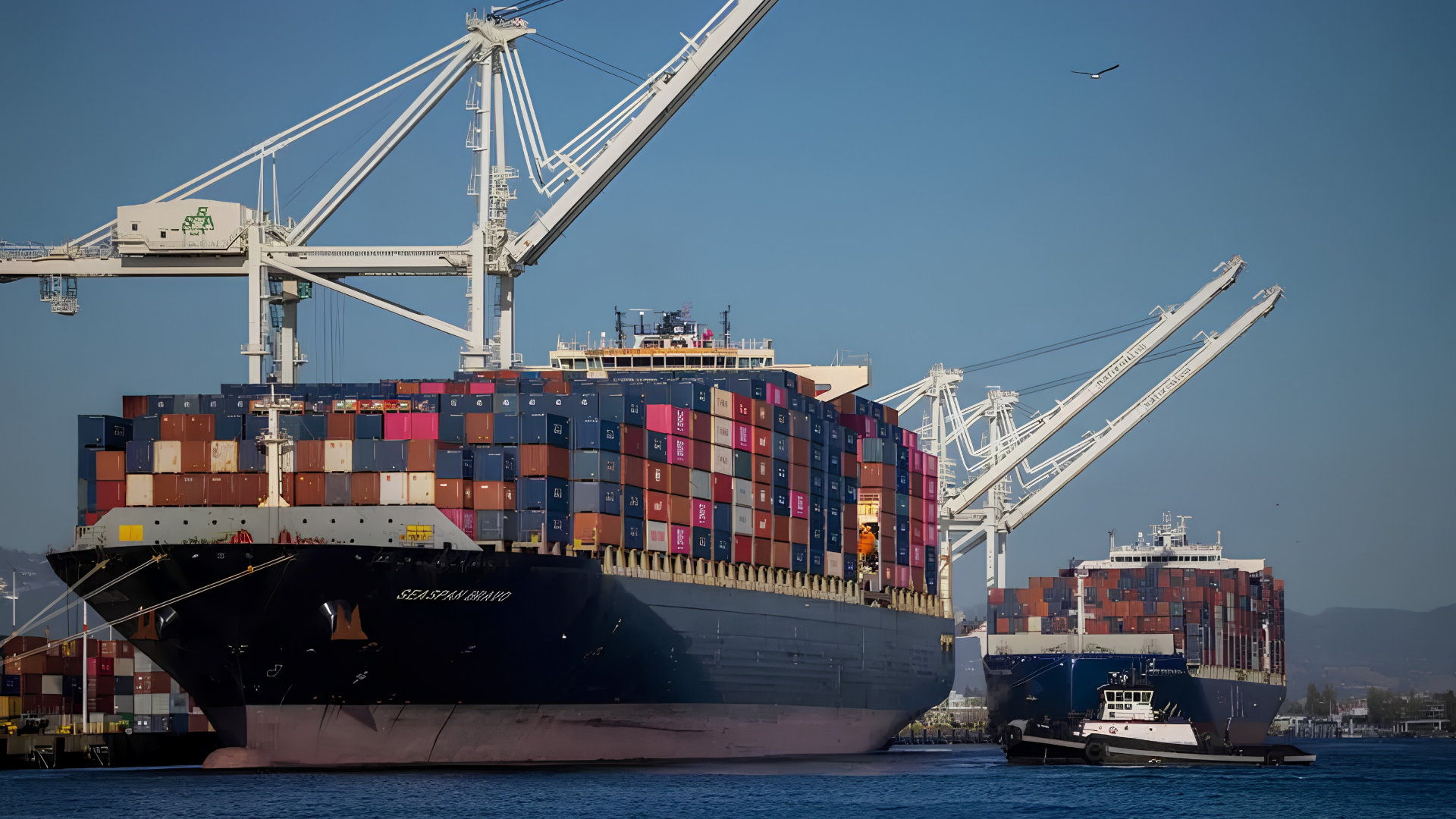
KUALA LUMPUR,MAY, 2026 – The United States merchandise trade deficit narrowed in April 2026 as exports increased strongly, offering a positive signal for the world’s largest economy after trade had weighed heavily on growth earlier in the year.
According to advance data from the US Commerce Department, the goods trade deficit declined to US$82.4 billion in April, down by US$2.9 billion from US$85.3 billion in March. The figure was also better than the US$87 billion deficit expected by economists in a Bloomberg survey.

The improvement was mainly driven by a strong rise in exports. US goods exports climbed to US$219.7 billion in April, an increase of US$8.5 billion from the previous month. At the same time, imports also rose, reaching US$302.1 billion, up US$5.6 billion from March.
Although both exports and imports increased, the faster rise in exports helped narrow the overall trade gap. This suggests that foreign demand for US products remained resilient in April, particularly in several key categories such as capital goods, consumer goods and industrial supplies.
Exports of goods rose by around 4 percent during the month. The increase was supported by stronger shipments of capital goods and consumer merchandise, while industrial supplies such as crude oil and petroleum products also contributed to the export gain.
The rise in energy-related exports was especially important. US producers exported more oil as global energy markets continued to face disruption. With Middle East tensions affecting oil trade flows, American energy producers appeared to benefit from stronger international demand.
The report noted that the US exported a record volume of more than 6.4 million barrels per day in April, while shipments of fuels such as petrol, diesel and jet fuel also increased. This helped boost the overall value of US exports and reduced the size of the merchandise trade deficit.
The narrowing of the deficit may provide some support to second-quarter gross domestic product, especially after net exports had a negative impact on first-quarter growth. In economic terms, a smaller trade deficit can help improve GDP calculations because it means exports are contributing more relative to imports.
However, economists remain cautious about whether the improvement will continue in the coming months. Imports still increased by 1.9 percent in April, showing that domestic demand for foreign goods remained active despite global uncertainty.
One of the key reasons imports continue to rise is the ongoing demand for equipment linked to artificial intelligence, data centres and advanced technology investment. Businesses have continued to bring in capital goods, including machinery and high-tech components, to support AI-related infrastructure expansion.
This trend may limit how far the trade deficit can narrow. While stronger exports are positive, high import demand from business investment could continue to keep the US trade gap elevated.
The latest advance economic indicators report also showed that inventories continued to rise. Retail inventories increased by 0.7 percent in April, while wholesale inventories climbed 0.5 percent. This suggests that companies were still building stockpiles, possibly as protection against future supply chain disruptions.
Inventory building can be seen in two ways. On one hand, it may show that businesses are preparing for continued demand. On the other hand, it may also indicate caution, especially if companies are trying to secure goods early due to uncertainty over tariffs, shipping routes or geopolitical risks.
The global trade environment remains complex. The effective closure of the Strait of Hormuz due to Middle East tensions has added another challenge for companies already dealing with tariff uncertainty and supply chain adjustments.
For the US economy, the April trade data offers a mixed but generally positive picture. The narrowing deficit shows that exports improved more strongly than imports, but the continued rise in imports means the country still faces a large goods trade imbalance.
The goods trade deficit remains an important indicator because it reflects the balance between what the US sells to the rest of the world and what it buys from other countries. A persistent deficit means the US continues to import more goods than it exports.
However, not all trade deficits are viewed negatively. A larger deficit can also reflect strong consumer demand and business investment. In this case, rising imports of capital goods may show that companies are still spending on equipment and technology, particularly in sectors connected to artificial intelligence and energy infrastructure.
At the same time, stronger exports suggest that US producers remain competitive in several global markets. The rise in exports of capital goods, consumer products and energy-related items shows that demand for American goods remains active despite global economic uncertainty.
The April data also comes at a time when investors are closely watching the strength of the US economy. Trade figures, inflation data, labour market indicators and Federal Reserve policy expectations all play a role in shaping market sentiment.
If the trade deficit continues to narrow, it could support stronger second-quarter growth. However, if imports rise faster again in the coming months, the improvement may prove temporary.
A more complete picture will come when the US releases full April trade figures, including the services account. The goods data is an advance estimate and does not include services such as travel, financial services, technology services and other cross-border commercial activities.
Services are an important part of the US trade position because the country often records a surplus in services. Therefore, the full goods and services report may show a different overall trade balance compared with the advance merchandise-only figures.
For now, the latest data shows that US exporters had a stronger April, helped by energy shipments, capital goods and consumer products. The improvement helped reduce the goods trade deficit and gave markets another signal that parts of the US economy remain resilient.
Still, risks remain. Rising import demand, tariff uncertainty, supply chain disruptions and geopolitical tensions could all affect future trade flows. Companies may continue adjusting their supply chains and inventory strategies depending on how global conditions develop.
Overall, the narrowing of the US merchandise trade deficit in April is a positive development for the economy, but it does not remove the broader challenges facing global trade. Stronger exports helped improve the headline figure, yet continued import growth shows that trade pressures remain.
The April data will now be closely watched by economists, investors and policymakers as they assess whether trade can become a stronger contributor to US growth in the second quarter of 2026.