KUALA LUMPUR, June 2026— Israeli Defence Minister Israel Katz has said Israeli forces will continue to remain in a security zone in southern Lebanon, as the conflict with Hezbollah intensifies despite wider diplomatic efforts to reduce tensions in the Middle East.
Katz said the Israeli military would stay in an area stretching from the coastline to the Beaufort Heights, a strategic elevated zone in southern Lebanon. His statement came after Israel confirmed the deaths of four Israeli soldiers in recent fighting with Hezbollah.

The Israeli defence minister also warned that any ceasefire violation by Hezbollah would be met with stronger military action. His remarks signal that Israel does not intend to withdraw from the southern Lebanon security zone in the near term, even as international concern grows over the worsening violence.
The latest escalation followed an Israeli military operation that targeted more than 80 Hezbollah positions overnight. According to Astro Awani, the strikes included air and ground attacks on strategic facilities, command centres, rocket launchers and underground infrastructure.
The targeted areas included the Nabatieh district and the Beaufort area, while two additional Hezbollah command centres in the Bekaa Valley were also reportedly struck.
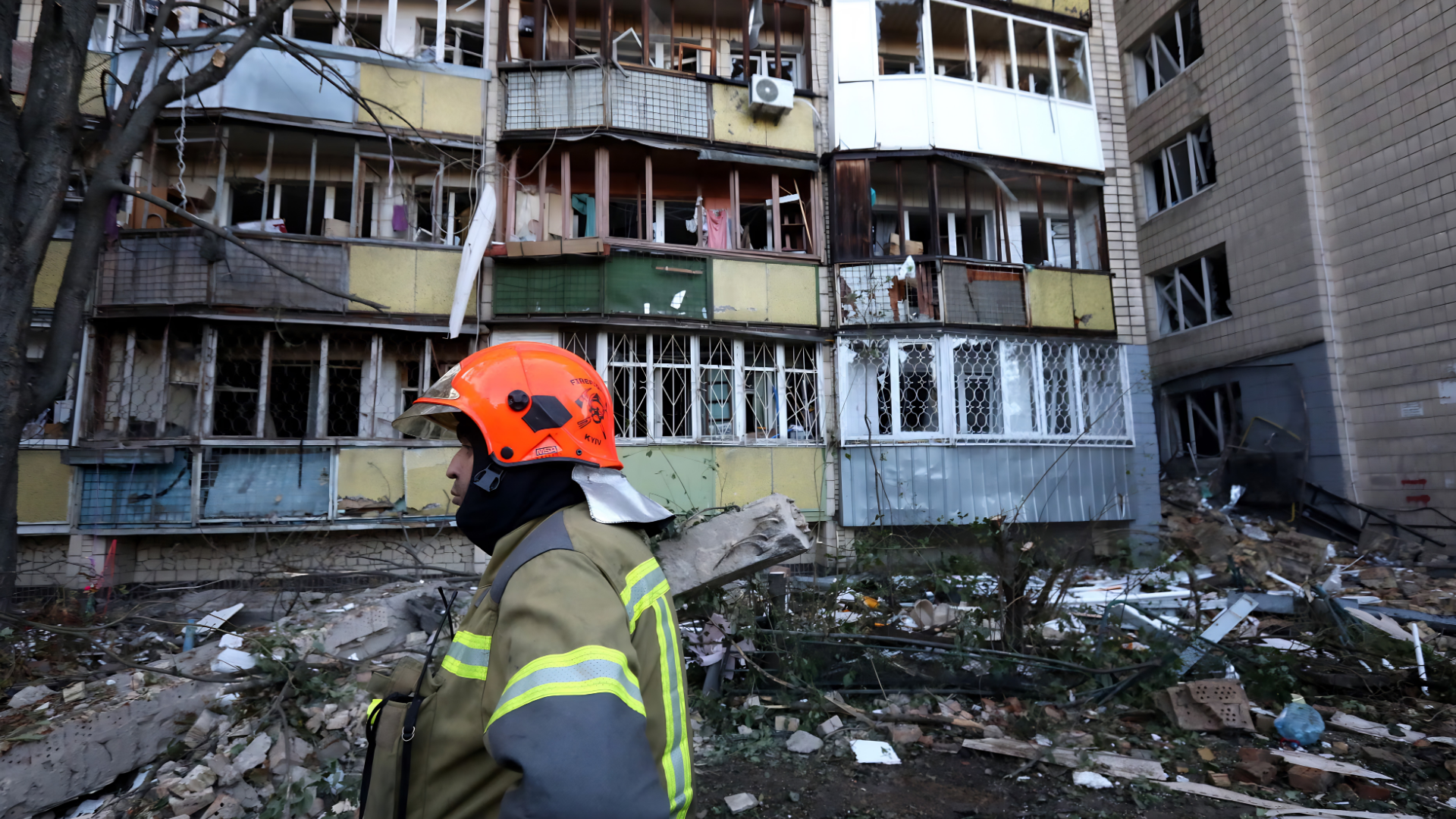
Lebanon’s Public Health Ministry said at least 18 people were killed and 33 others injured in the attacks across several locations, including al-Sharqiyah and Harouf. The ministry also said rescue efforts were affected by ongoing strikes in several areas.
Reuters reported that the fighting has intensified sharply in southern Lebanon, with Hezbollah attacks killing four Israeli soldiers and Israeli airstrikes causing heavy casualties in Lebanon. The escalation is among the most serious since the latest US-Iran framework aimed at reducing regional hostilities.
The deaths of the Israeli soldiers have increased political pressure on Prime Minister Benjamin Netanyahu and Defence Minister Katz to respond forcefully. Israeli leaders have vowed to continue military operations in Lebanon, saying the campaign is aimed at reducing Hezbollah’s ability to threaten northern Israel.
Hezbollah, meanwhile, has said its attacks are carried out in response to Israeli ceasefire violations and continued military activity in Lebanese territory. The group has accused Israel of destroying homes and infrastructure in the south, while Israel says its operations are directed at Hezbollah military positions.
The situation has also placed fresh strain on the broader US-Iran diplomatic track. Al Jazeera reported that planned US-Iran talks in Switzerland were delayed as Israel continued strikes in Lebanon, raising questions about whether the wider regional de-escalation effort can hold.
The latest wave of attacks involved artillery, drones and fighter jets, according to international observers cited by Astro Awani. The scale of the bombardment has been described as a serious escalation in the regional conflict.
The violence has also triggered new displacement from southern Lebanon. Astro Awani reported that the worsening security situation has pushed residents to leave southern areas and move toward safer regions in the north.
Southern Lebanon has been one of the hardest-hit areas in the ongoing Israel-Hezbollah conflict. Reuters reported that nearly 4,000 people have been killed in Lebanon since the current phase of fighting began, while around 1.2 million people have been displaced.
Nabatieh, one of the areas affected by the latest strikes, has suffered extensive damage during the war. Reuters reported that more than 9,970 housing units in the area have been affected, while continued bombardments have prevented many residents from returning safely.
The Beaufort Heights area is strategically important because it overlooks parts of southern Lebanon and northern Israel. Reuters previously reported that Israel’s capture of the Beaufort Castle area gave Israeli forces a vantage point over much of the surrounding region.
Katz has previously said Israeli troops would retain the Beaufort area as part of Israel’s security zone in southern Lebanon. His latest remarks suggest that Israel sees continued military presence there as part of a longer-term strategy against Hezbollah.
However, Israel’s continued presence in southern Lebanon is likely to remain highly controversial. Lebanon and Hezbollah view Israeli military activity in the area as a violation of Lebanese sovereignty, while Israel argues that the security zone is necessary to protect its northern communities.
The escalation also complicates international diplomacy. France has urged Washington to put pressure on Israel to stop hostilities in Lebanon, as the intensifying conflict risks undermining the interim US-Iran deal intended to reduce the wider Middle East war.
The Guardian also reported that fighting continued despite ceasefire efforts, with southern Lebanese communities facing destruction, insecurity and uncertainty. In Nabatieh, public life has been severely disrupted, including religious commemorations that would normally draw large crowds.
For Israel, the latest strikes are being framed as a response to Hezbollah’s attacks and the deaths of Israeli soldiers. For Lebanon, the strikes have deepened the humanitarian crisis and raised fears that the conflict could expand further.
The situation remains extremely fragile because the fighting is tied to wider regional tensions involving Israel, Hezbollah, Iran and the United States. Any further escalation could affect not only Lebanon and Israel, but also ongoing diplomatic efforts across the Middle East.
The latest development is suitable for Update News because it involves a current military escalation, new casualties, fresh statements from Israel’s defence minister and possible consequences for the wider US-Iran peace process.
Katz’s statement that Israeli forces will remain in southern Lebanon shows that the conflict is far from easing. While Israel says its operations are aimed at Hezbollah infrastructure, the rising death toll and displacement in Lebanon are increasing international concern over the direction of the war.