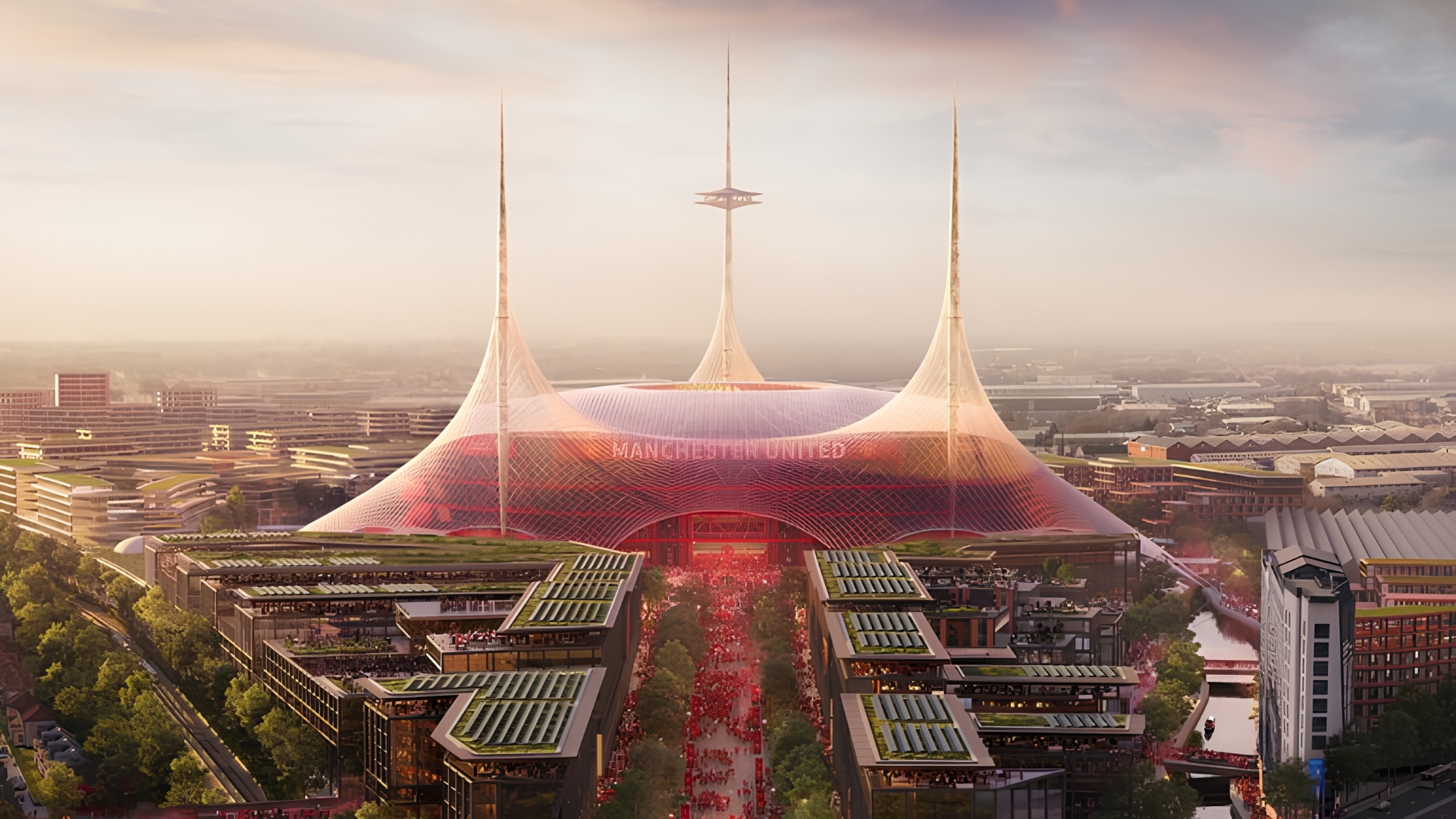
KUALA LUMPUR, June 2026 — Manchester United have moved a step closer to building a new 100,000-seat stadium after securing the majority of the land needed for the ambitious project near Old Trafford.
The Premier League club confirmed that it has acquired a 25-acre site located around 350 metres north-west of Old Trafford. The land was purchased from industrial space provider Indurent and a Blackstone portfolio company.

The proposed new stadium is expected to cost around £2 billion and, if completed, would become the largest football stadium in Britain.
Manchester United previously announced plans to build the new arena beside their existing home, rather than relocate far away from the club’s historic roots.
The decision to build close to Old Trafford is seen as a way to preserve the traditions, matchday routines and emotional connection that supporters have built with the area for more than a century.
Collette Roche, the chief executive of United’s new stadium development, said the club wants to build a world-class venue with supporters in mind, focusing on atmosphere, affordability and accessibility.
Old Trafford has been Manchester United’s home since 1910 and currently holds more than 74,000 spectators. However, the stadium has not undergone major redevelopment since 2006.
In recent years, Old Trafford has faced growing criticism over ageing facilities, including reports of a leaking roof, drainage problems and other maintenance concerns.
The new stadium plan has become one of the biggest infrastructure projects in English football, with the club aiming to create a modern venue capable of supporting both sporting and commercial growth.
Manchester United minority owner Sir Jim Ratcliffe, who holds around 29 percent of the club and oversees football operations, has supported the idea of building a new stadium rather than only renovating Old Trafford.
The project, however, could also bring financial challenges. United chief executive Omar Berrada previously said investment in the stadium may affect squad spending and competitiveness over a five-year period.
Despite those concerns, the land acquisition marks a major milestone in Manchester United’s long-term transformation plan.
For fans, the development brings mixed emotions. A new stadium could give the club one of the most advanced football venues in the world, but it also raises the possibility of eventually leaving behind Old Trafford, one of the most iconic stadiums in global football.
The club has not confirmed a final completion date for the new stadium project, and further planning, approvals and financing steps are still expected before construction can begin.
If the project goes ahead, Manchester United’s new 100,000-seat stadium could reshape the future of English football infrastructure and strengthen the club’s status as one of the biggest sporting brands in the world.