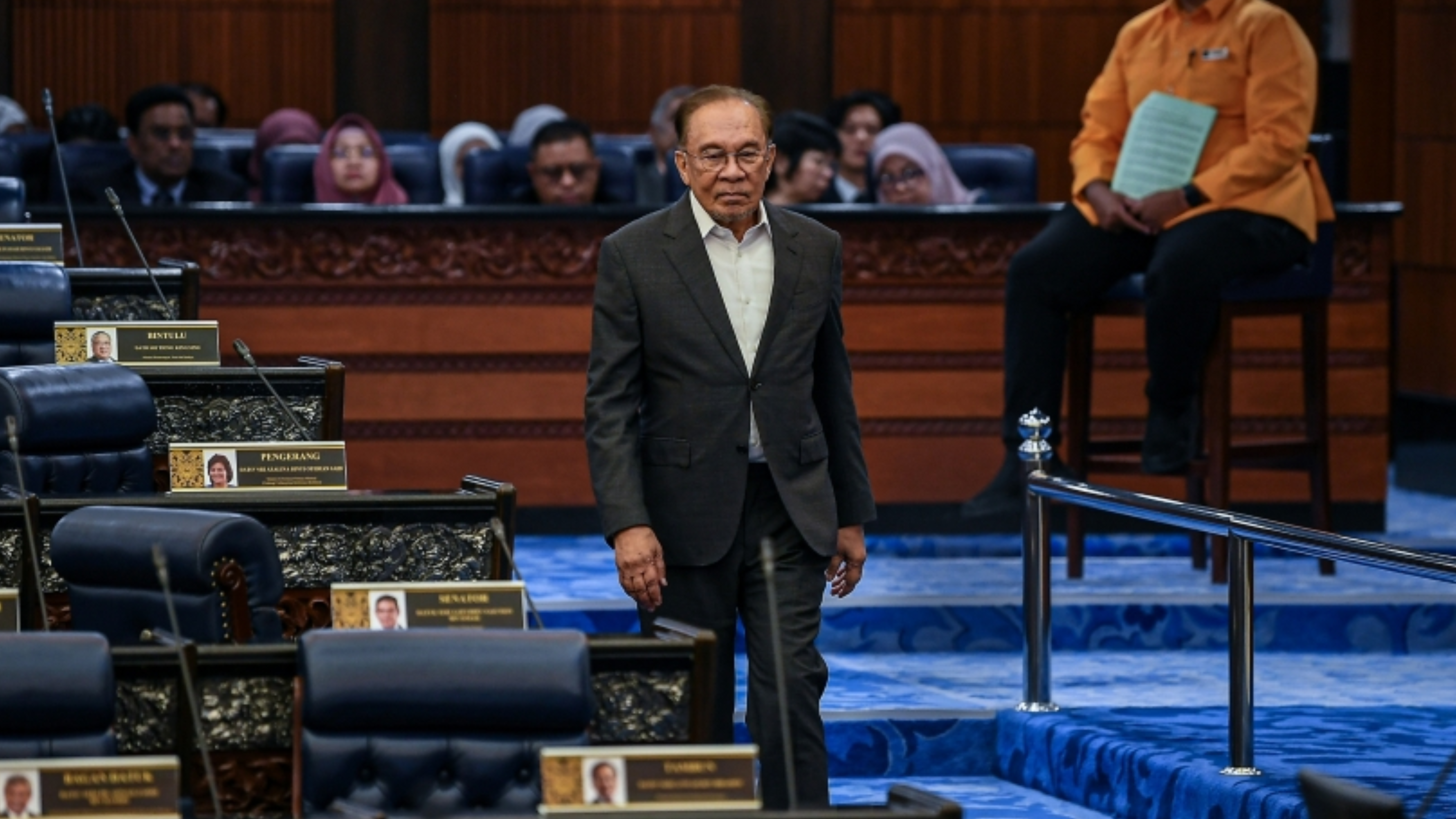
KUALA LUMPUR, June 2026 — Prime Minister Datuk Seri Anwar Ibrahim chaired the 149th Meeting of Menteris Besar and Chief Ministers at the Parliament Building, with discussions focusing on Malaysia’s economy, water security, food supply and national preparedness amid global uncertainty.
The meeting, held on June 23, brought together federal and state leaders to examine key national challenges, especially the need to strengthen and revive the country’s economy as conflicts in West Asia continue to affect the global economic landscape.

Anwar said the meeting also reviewed Malaysia’s level of preparedness in facing the El Niño phenomenon, which is expected to affect water supply, the agricultural sector and food security, while also increasing the risk of extreme heat and haze.
The prime minister stressed that every policy and government initiative must be implemented in a more integrated, efficient and people-centric manner. He said this approach is important to strengthen Malaysia’s economic competitiveness, attract quality investments and safeguard the well-being of all Malaysians.
The discussion shows that Malaysia’s current policy focus is not limited to economic growth alone. Instead, the government is also placing attention on basic national resilience, especially water supply, agriculture and food availability, which are closely linked to climate risks and global instability.
El Niño remains a serious concern because prolonged hot and dry weather can affect water reserves, crop production and food prices. For Malaysia, early preparation is important to reduce the impact on households, farmers, businesses and state-level infrastructure.
The meeting also reflected the need for closer coordination between the federal government and state governments. Issues such as water management, agriculture, food distribution, investment approval and local development often require cooperation across different levels of government.
Anwar said the spirit of togetherness and consensus shown during the meeting would continue to strengthen relations between the federal and state governments. He added that this cooperation is important to ensure the benefits of development are enjoyed comprehensively by all Malaysians.
The focus on quality investments is also significant. As global uncertainty continues, Malaysia must compete for investment that can create jobs, strengthen industries and support long-term economic growth. A more stable policy environment between federal and state administrations can help improve investor confidence.
At the same time, the government’s attention to food security indicates growing concern over supply chain risks. Conflicts in West Asia, climate pressure and global market volatility can affect the cost and availability of essential goods, making national food resilience a major policy priority.
The meeting can also be seen as part of the Madani government’s wider effort to balance economic recovery with people’s welfare. By combining economic planning with climate readiness and food supply protection, the government is trying to address both immediate and long-term national needs.
For state governments, the discussion is important because each state faces different challenges. Some states may be more exposed to water shortages, while others may face higher risks in agriculture, food production or infrastructure readiness.
The coordinated approach between Putrajaya and state leaders could help ensure that policies are not implemented separately or unevenly. This is especially important during climate-related challenges, where slow response can affect public health, food prices and local economies.