KUALA LUMPUR, JULY 2026 – The IRGC claimed that the US military attacked Iranian bases under the pretext of responding to incidents involving vessels that allegedly violated Iran’s navigation restrictions. It argued that the strikes were intended to conceal Washington’s inability to challenge Tehran’s control over the strategic waterway.
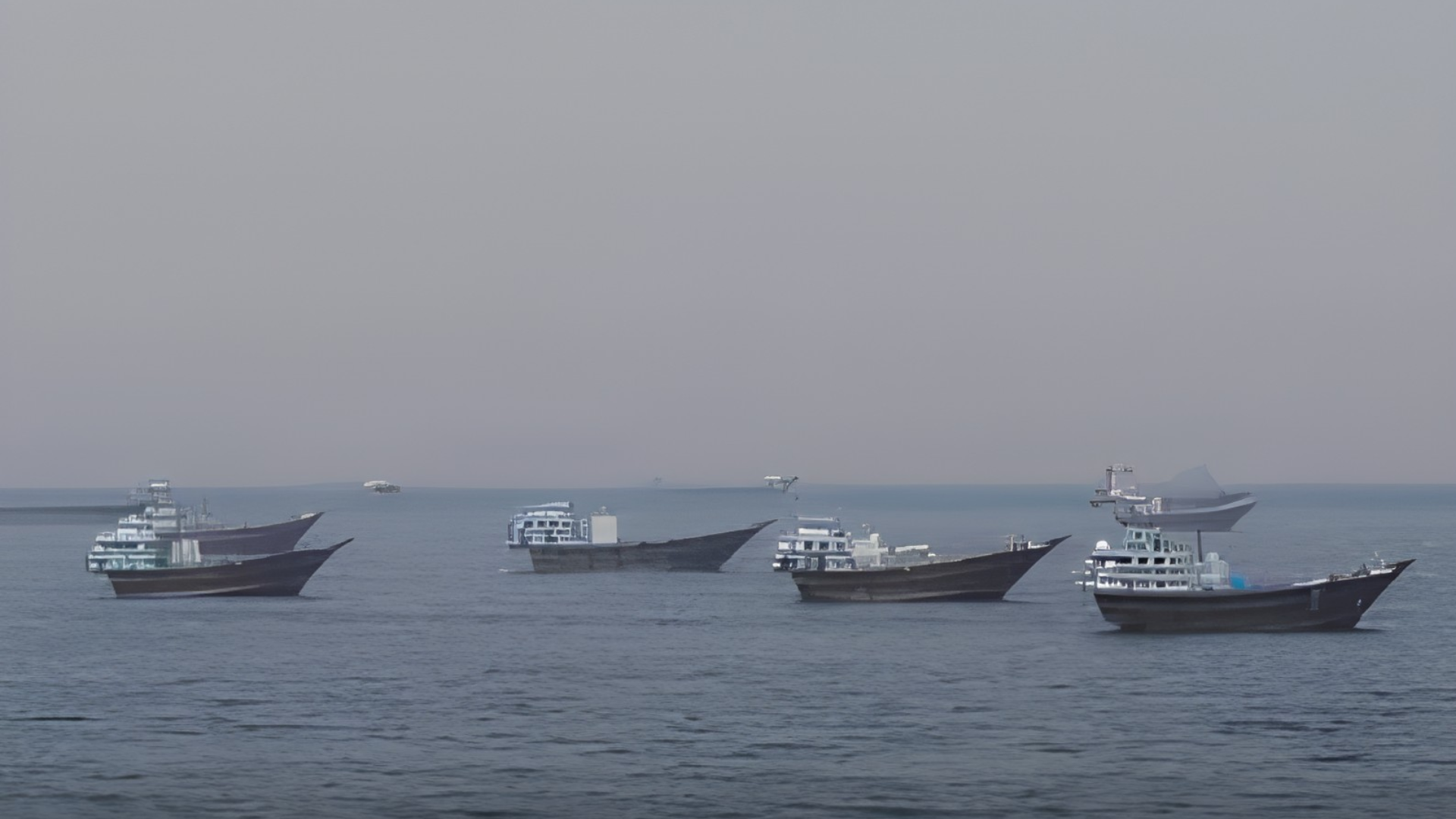
According to the Iranian military force, no commercial vessel had attempted to challenge the restrictions while being accompanied by US forces. The statement suggested that Iran would continue enforcing its maritime rules and preventing unauthorised vessels from crossing the strait.

The IRGC also warned that oil and gas export routes serving the United States and its allies could become targets should the confrontation continue. In a statement carried by Iranian state media, the force declared that regional energy exports should either be available to everyone or denied to everyone.
The warning has increased concerns that Iran could expand its actions beyond the Strait of Hormuz. Iranian-linked forces have also raised the possibility of disrupting the Bab el-Mandeb Strait, another important maritime route connecting the Red Sea with the Gulf of Aden. Any disruption to both waterways could severely affect international trade and energy shipments.
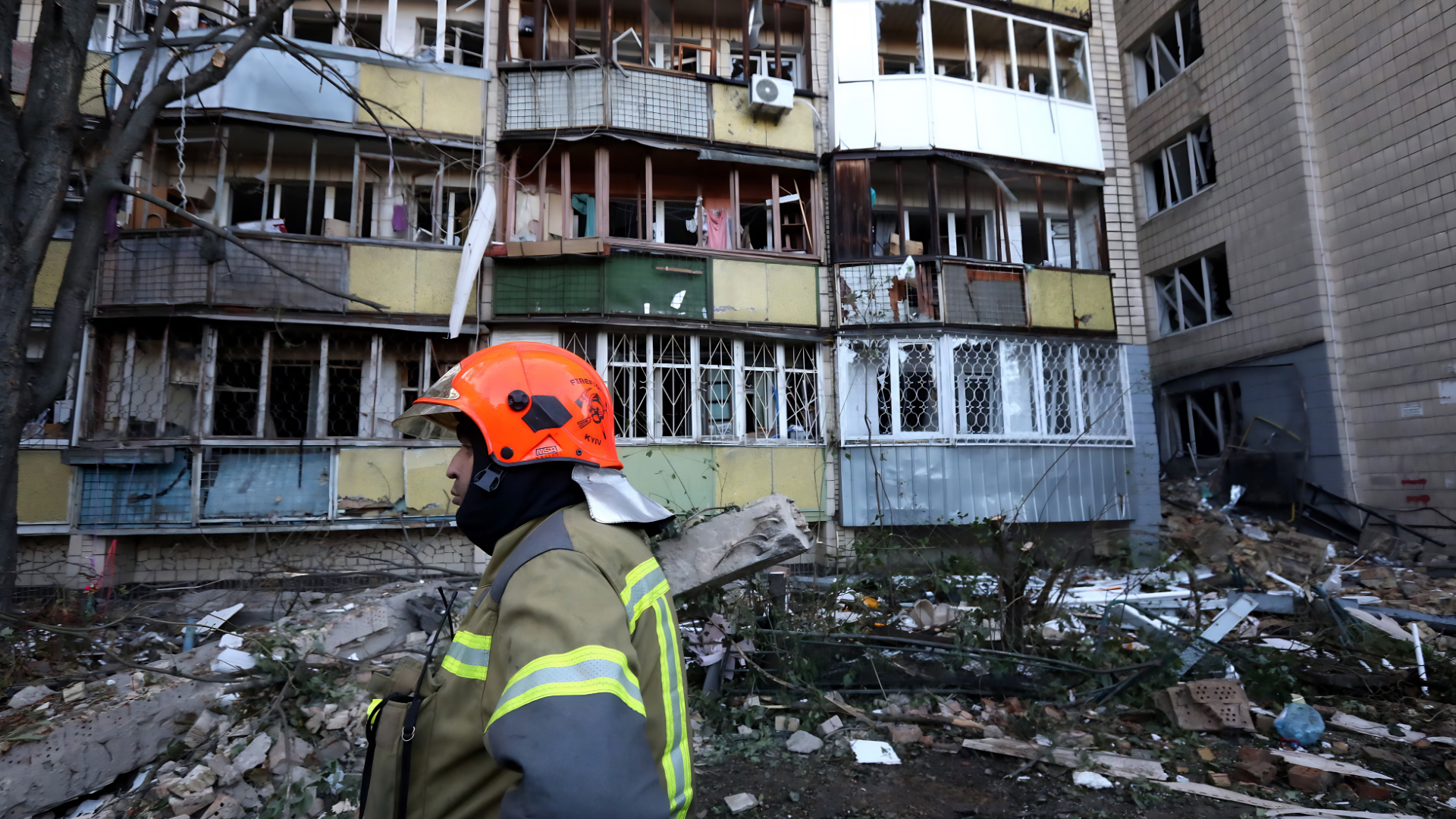
The latest statement followed renewed US military strikes against Iranian targets near the Strait of Hormuz and along Iran’s coastline. US Central Command said dozens of military targets were struck during an operation lasting approximately seven hours, claiming the facilities had supported attacks against commercial shipping.
Washington has accused Iran of attacking seven commercial vessels over the past week, leaving several crew members dead, injured or missing. Tehran has denied the US portrayal of the conflict and accused Washington of being the aggressor.
Iranian forces responded by launching missiles and drones towards locations hosting American military personnel in Bahrain, Kuwait and Jordan. Jordanian authorities said their air defences intercepted three ballistic missiles, while Kuwait reported that a fire at a targeted site had been brought under control.
The IRGC separately claimed that it targeted command-and-control facilities, logistics centres, fuel storage tanks and military equipment linked to the US Fifth Fleet in Bahrain. The full extent of the reported damage could not immediately be independently verified.
The Strait of Hormuz is one of the world’s most critical energy corridors. Before the latest conflict began, around one-fifth of global oil and natural gas shipments passed through the waterway each day, making any prolonged disruption a major concern for global markets.
Oil prices have already reacted to the renewed hostilities. Brent crude and West Texas Intermediate rose as traders assessed the possibility of extended supply disruptions and further attacks on regional energy infrastructure.
The growing confrontation has placed further pressure on an already fragile interim agreement reached between Iran and the United States in June. Regional mediators are continuing efforts to bring both countries back to negotiations, but repeated strikes and escalating threats have raised fears that the crisis could develop into a wider Middle East conflict.