KUALA LUMPUR, JULY 2026 – Six constituencies are expected to provide some of the clearest indications of Negeri Sembilan’s political direction as voters prepare to elect representatives for all 36 seats in the state legislative assembly.
The state election follows months of constitutional and political uncertainty that resulted in an early poll less than three years after the previous election. Early voting has been scheduled for July 28, while the main polling day will take place on August 1, 2026.

The contests in Rantau, Chennah, Linggi, Lenggeng, Lukut and Nilai will test the strength of established political leaders, the durability of traditional party strongholds and whether voter sentiment has changed since the 2023 state election.
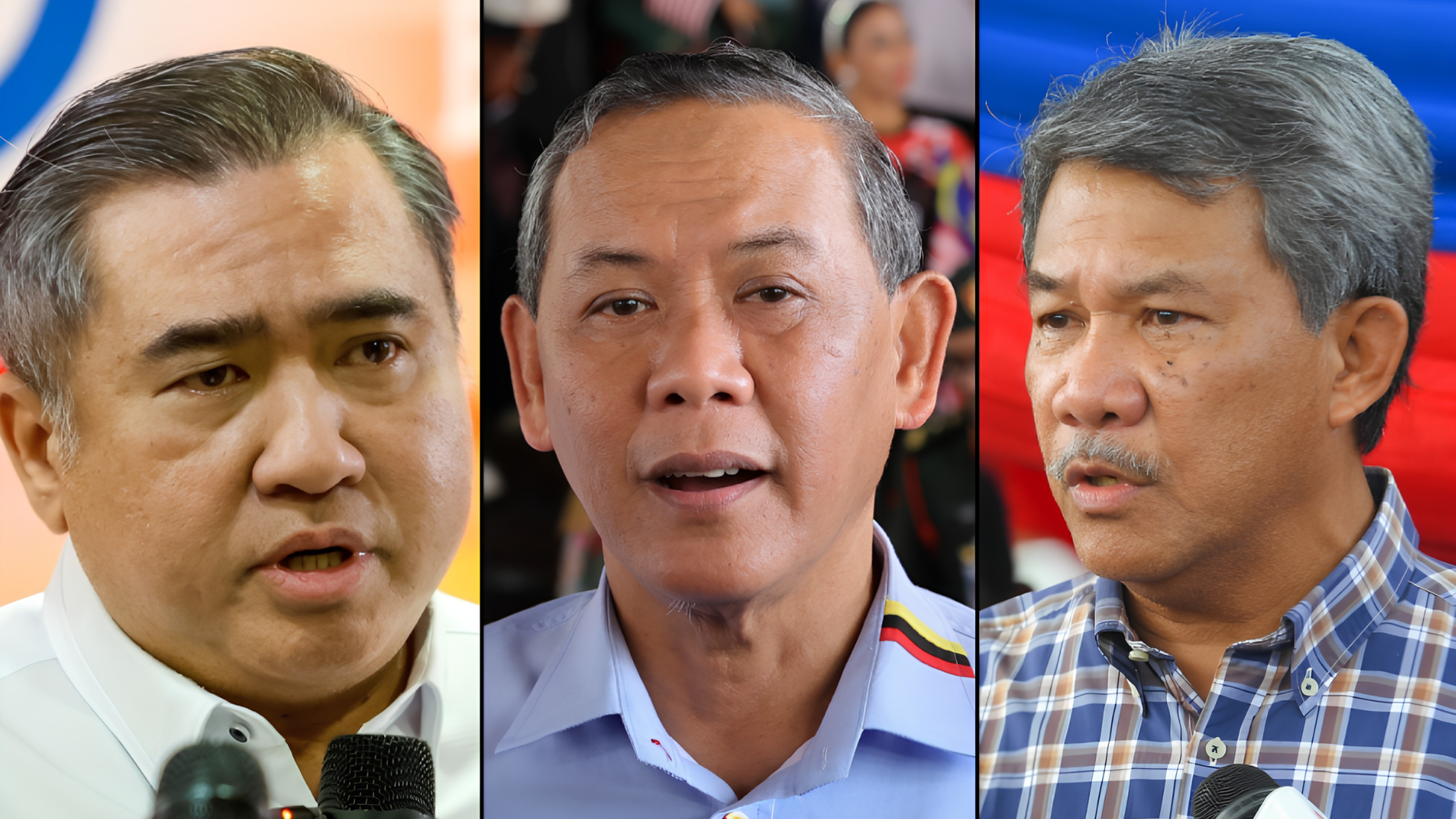
Rantau remains closely associated with Umno and its deputy president, Datuk Seri Mohamad Hasan, commonly known as Tok Mat. He has represented the constituency since 2004 and secured at least 60 per cent of the vote in every election he contested there.
In the 2023 state election, Mohamad won 71.7 per cent of the vote and defeated PAS candidate Rozmal Malakan by more than 10,000 votes. He also retained Rantau comfortably in the closely watched 2019 by-election, receiving 63.2 per cent of the vote.
The main question in Rantau may not be whether Mohamad can retain the seat, but whether he can maintain his commanding majority. A reduced margin could suggest that BN’s momentum from its recent Johor election victory has not fully transferred to Negeri Sembilan, while another dominant result would strengthen the coalition’s confidence ahead of future elections. BN won 48 of Johor’s 56 seats in the July 2026 state poll.
Rantau’s electorate is also more diverse than many traditional Umno strongholds. Malays make up 54.8 per cent of voters, Indians account for 27.6 per cent and Chinese voters represent 16 per cent. More than 14,000 registered voters in the constituency are below the age of 40.
Chennah will provide a major test for DAP secretary-general Anthony Loke and the party’s support among Chinese and mixed-community voters. Loke first won the constituency in 2013 and increased his majority in 2023, when he received 61.5 per cent of the vote against Bersatu candidate Rosmadi Arif.
Despite his previous victories, Loke described his chances of retaining Chennah as “50-50” during the nomination period. The seat comprises 46.3 per cent Malay voters, 44.3 per cent Chinese voters and slightly more than 2 per cent Indian voters, making it an important measure of DAP’s appeal across different communities.
Any substantial decline in DAP’s support could be interpreted as evidence of changing sentiment among Chinese voters after several years of the party’s participation in the federal unity government.
Linggi is expected to host one of the election’s most symbolic battles. Caretaker Negeri Sembilan Menteri Besar Datuk Seri Aminuddin Harun has left his previous Sikamat constituency to contest the traditional Umno stronghold against Datuk Mohd Faizal Ramli.
Linggi has remained under Umno since it was first contested in 1959. Its former representatives include former menteri besar Datuk Seri Mohd Isa Abdul Samad, who held the seat for more than two decades before moving to Bagan Pinang.
Mohd Faizal won Linggi in 2023 with 55.1 per cent of the vote against Bersatu’s Zamri Md Said. The constituency has a Malay majority of 60.4 per cent, while Chinese and Indian voters each represent approximately 18 per cent of the electorate.
A victory for Aminuddin would allow PH to capture a seat that has never changed political hands and would rank among the election’s most significant results. A defeat, however, could raise questions about his appeal outside his established political base and weaken PH’s campaign narrative.
Lenggeng represents the state’s classic marginal constituency. BN controlled the seat continuously from 1959 until PH captured it in 2018. BN regained Lenggeng in 2023 but defeated PAS by only 685 votes.
Approximately three-quarters of Lenggeng voters are Malay, while Indian voters account for 15.2 per cent. The constituency’s competitive history means that another multi-cornered contest could allow PN to benefit from divided support between the larger coalitions.
The result will help measure how much influence PAS, Bersatu and PN have gained in Malay-majority constituencies since the previous state election.
Lukut is considered a strong DAP seat but remains politically significant because of its urban electorate and connection to Port Dickson’s military community.
DAP’s Choo Ken Hwa secured approximately 79 per cent of the vote in both the 2018 and 2023 elections. Chinese voters make up 49.5 per cent of the electorate, followed by Indians at 26.2 per cent and Malays at 22.7 per cent.
The broader Port Dickson parliamentary constituency registered more than 7,000 early voters from military institutions during the 2022 general election. Voting patterns in Lukut could therefore offer useful indications of urban political sentiment and the influence of military voters in the district.
Nilai, meanwhile, reflects Negeri Sembilan’s rapidly changing population. Its location near Selangor and Kuala Lumpur International Airport has contributed to the growth of universities, industrial areas and communities of workers who commute to the Klang Valley.
With more than 41,000 registered voters, Nilai has the largest electorate among the six highlighted constituencies. Almost 14,200 voters are below the age of 30, making younger Malaysians a potentially decisive group.
DAP’s Arul Kumar Jambunathan has represented Nilai since 2013 and received more than two-thirds of the vote in both 2018 and 2023. The constituency comprises 42.5 per cent Malay voters, 32.6 per cent Chinese voters and 21.9 per cent Indian voters.