KUALA LUMPUR, JULY 2026 — The Organisation for Economic Co-operation and Development has recommended that Malaysia reintroduce the Goods and Services Tax as part of wider reforms aimed at strengthening the country’s public finances.
In its OECD Economic Survey of Malaysia 2026, the organisation said Malaysia needs a broader and more sustainable tax base as government spending requirements continue to rise, particularly in social protection, education, public investment and support for an ageing population.

The OECD proposed several measures to increase government revenue, including restoring a broad-based consumption tax, expanding the personal income tax base, reducing selected tax exemptions and improving tax administration.
At the same time, the organisation stressed that lower-income households should be protected from the impact of tax reforms through targeted cash transfers and more effective social assistance programmes.
According to the report, Malaysia’s tax revenue remains below 13% of gross domestic product, which is considered comparatively low. A broad-based consumption tax such as the GST could provide a more stable source of government income and bring Malaysia’s tax framework closer to international practices.
The OECD said the expanded Sales and Service Tax system was not the most efficient method for collecting taxes on goods and services. It argued that Malaysia still had room to improve revenue collection by taxing a wider range of personal income and reducing tax expenditures.
The organisation also urged Malaysia to continue gradually removing fossil fuel subsidies, warning that broad and poorly targeted energy subsidies place a significant burden on public finances.
Fuel subsidies can also weaken incentives to reduce carbon emissions by keeping fossil fuel prices artificially low. The OECD therefore recommended that Malaysia shift from subsidising fossil fuel consumption towards a carbon-pricing strategy.
However, any transition should be introduced carefully and accompanied by targeted financial support for vulnerable households. Malaysia’s social registry could be used to identify eligible recipients and ensure assistance reaches those most affected by higher energy prices.
The recommendations were presented by OECD Country Studies Branch Director Dr Luiz de Mello during the launch of the economic survey in Kuala Lumpur on July 28, 2026.
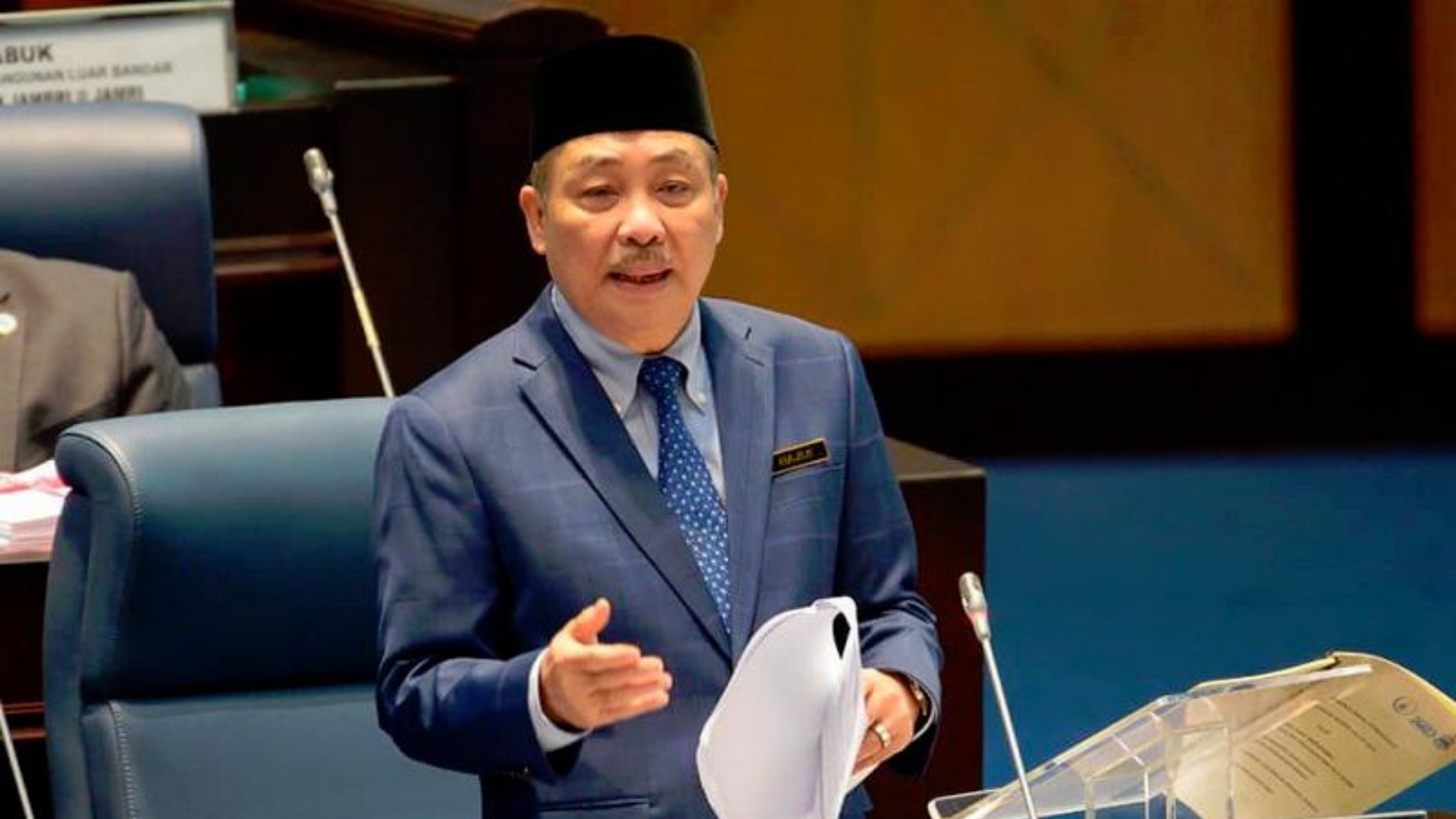
The event was officiated by Economy Minister Datuk Seri Akmal Nasrullah Mohd Nasir and was also attended by Economy Ministry Deputy Secretary-General for Policy Zunika Mohamed.
Despite calling for stronger fiscal reforms, the OECD said Malaysia’s economy was expected to remain resilient amid global economic uncertainty.
The organisation forecast Malaysia’s economy to expand by 4.9% in 2026 and 5% in 2027, supported by domestic activity and continued economic development. Inflation was projected to remain relatively contained at 2.1% in 2026.
Nevertheless, the OECD warned that Malaysia’s fiscal consolidation had progressed gradually while public debt remained elevated. These conditions could leave the country more exposed to external shocks, including higher international energy prices and weaker global demand.
The additional revenue generated from tax reforms could be used to improve education, expand social protection and finance public investment. These areas are expected to become increasingly important as Malaysia moves towards becoming a high-income economy.
Malaysia is expected to reach high-income status between 2028 and 2030. However, the OECD cautioned that fewer than half of Malaysians may personally earn incomes above the high-income threshold by that period.
The report estimated that average household incomes would need to approximately double for most Malaysians to experience income levels commonly associated with a high-income economy.
The OECD also highlighted broader structural challenges, including slower productivity growth, weaker education outcomes and an underdeveloped social protection system.
It said reaching high-income status alone would not guarantee improved living standards for the wider population. Malaysia would also need reforms that strengthen productivity, workforce skills, education quality, business investment and social security.
The economic survey provides an independent evaluation of Malaysia’s economic performance and policy framework. It includes recommendations covering fiscal policy, productivity, education, investment, climate resilience and long-term growth.
The OECD concluded that restoring a broad-based consumption tax, gradually reducing fossil fuel subsidies and providing targeted assistance could help Malaysia build stronger public finances while supporting more inclusive and sustainable economic development.