Escalating attacks by Yemen’s Houthi movement and Iraq’s Popular Mobilization Forces (PMF) against Saudi Arabia could become one of Iran’s most significant strategic mistakes, according to geopolitical analyst Sultan Barakat.
Barakat argued that allowing Tehran-backed proxy groups to target Saudi Arabia risks undermining Iran’s regional influence while encouraging stronger political and military cooperation among Gulf states and their international allies.

The warning comes after a series of drone and missile attacks targeting Saudi territory and key energy infrastructure, which Riyadh has attributed to armed groups supported by Iran.
Saudi Arabia has repeatedly condemned the attacks, describing them as acts of aggression that threaten regional security and international energy supplies.
According to Barakat, Iran has spent years attempting to rebuild diplomatic relations with Gulf countries, including Saudi Arabia. However, continued attacks by proxy forces risk reversing that progress and damaging Tehran’s long-term strategic interests.
He noted that instead of weakening Saudi Arabia, such attacks could strengthen regional unity against Iran while increasing international support for Riyadh.
Recent strikes have focused on Saudi oil facilities and energy infrastructure, prompting concerns over global energy markets and maritime security in the Red Sea.
Although Saudi air defence systems intercepted many of the incoming drones and missiles, the attacks have heightened fears of broader regional escalation involving Iran, the United States and several Gulf nations.
Barakat also suggested that expanding the conflict beyond Yemen and Iraq could further isolate Iran diplomatically at a time when it faces increasing economic pressure and international scrutiny.
He warned that continued reliance on proxy warfare may produce unintended consequences, making it more difficult for Tehran to pursue diplomatic engagement with neighbouring Arab states.
The renewed tensions come as Saudi Arabia resumes military operations against Houthi positions following the collapse of a ceasefire that had largely held since 2022.
The Houthis have vowed to continue targeting Saudi energy infrastructure and shipping routes, while Saudi-led forces have intensified strikes against Houthi military sites in Yemen.
Security analysts warn that any prolonged exchange of attacks could threaten critical oil supply routes through the Red Sea and increase volatility in global energy markets.
The latest developments have also raised concerns among international observers that proxy conflicts across the Middle East could evolve into a broader regional confrontation involving multiple state and non-state actors.Escalating attacks by Yemen’s Houthi movement and Iraq’s Popular Mobilization Forces (PMF) against Saudi Arabia could become one of Iran’s most significant strategic mistakes, according to geopolitical analyst Sultan Barakat.
Barakat argued that allowing Tehran-backed proxy groups to target Saudi Arabia risks undermining Iran’s regional influence while encouraging stronger political and military cooperation among Gulf states and their international allies.
The warning comes after a series of drone and missile attacks targeting Saudi territory and key energy infrastructure, which Riyadh has attributed to armed groups supported by Iran.
Saudi Arabia has repeatedly condemned the attacks, describing them as acts of aggression that threaten regional security and international energy supplies.
According to Barakat, Iran has spent years attempting to rebuild diplomatic relations with Gulf countries, including Saudi Arabia. However, continued attacks by proxy forces risk reversing that progress and damaging Tehran’s long-term strategic interests.
He noted that instead of weakening Saudi Arabia, such attacks could strengthen regional unity against Iran while increasing international support for Riyadh.
Recent strikes have focused on Saudi oil facilities and energy infrastructure, prompting concerns over global energy markets and maritime security in the Red Sea.
Although Saudi air defence systems intercepted many of the incoming drones and missiles, the attacks have heightened fears of broader regional escalation involving Iran, the United States and several Gulf nations.
Barakat also suggested that expanding the conflict beyond Yemen and Iraq could further isolate Iran diplomatically at a time when it faces increasing economic pressure and international scrutiny.
He warned that continued reliance on proxy warfare may produce unintended consequences, making it more difficult for Tehran to pursue diplomatic engagement with neighbouring Arab states.
The renewed tensions come as Saudi Arabia resumes military operations against Houthi positions following the collapse of a ceasefire that had largely held since 2022.
The Houthis have vowed to continue targeting Saudi energy infrastructure and shipping routes, while Saudi-led forces have intensified strikes against Houthi military sites in Yemen.
Security analysts warn that any prolonged exchange of attacks could threaten critical oil supply routes through the Red Sea and increase volatility in global energy markets.
The latest developments have also raised concerns among international observers that proxy conflicts across the Middle East could evolve into a broader regional confrontation involving multiple state and non-state actors.Escalating attacks by Yemen’s Houthi movement and Iraq’s Popular Mobilization Forces (PMF) against Saudi Arabia could become one of Iran’s most significant strategic mistakes, according to geopolitical analyst Sultan Barakat.
Barakat argued that allowing Tehran-backed proxy groups to target Saudi Arabia risks undermining Iran’s regional influence while encouraging stronger political and military cooperation among Gulf states and their international allies.
The warning comes after a series of drone and missile attacks targeting Saudi territory and key energy infrastructure, which Riyadh has attributed to armed groups supported by Iran.
Saudi Arabia has repeatedly condemned the attacks, describing them as acts of aggression that threaten regional security and international energy supplies.
According to Barakat, Iran has spent years attempting to rebuild diplomatic relations with Gulf countries, including Saudi Arabia. However, continued attacks by proxy forces risk reversing that progress and damaging Tehran’s long-term strategic interests.
He noted that instead of weakening Saudi Arabia, such attacks could strengthen regional unity against Iran while increasing international support for Riyadh.
Recent strikes have focused on Saudi oil facilities and energy infrastructure, prompting concerns over global energy markets and maritime security in the Red Sea.
Although Saudi air defence systems intercepted many of the incoming drones and missiles, the attacks have heightened fears of broader regional escalation involving Iran, the United States and several Gulf nations.
Barakat also suggested that expanding the conflict beyond Yemen and Iraq could further isolate Iran diplomatically at a time when it faces increasing economic pressure and international scrutiny.
He warned that continued reliance on proxy warfare may produce unintended consequences, making it more difficult for Tehran to pursue diplomatic engagement with neighbouring Arab states.
The renewed tensions come as Saudi Arabia resumes military operations against Houthi positions following the collapse of a ceasefire that had largely held since 2022.
The Houthis have vowed to continue targeting Saudi energy infrastructure and shipping routes, while Saudi-led forces have intensified strikes against Houthi military sites in Yemen.
Security analysts warn that any prolonged exchange of attacks could threaten critical oil supply routes through the Red Sea and increase volatility in global energy markets.
The latest developments have also raised concerns among international observers that proxy conflicts across the Middle East could evolve into a broader regional confrontation involving multiple state and non-state actors.Escalating attacks by Yemen’s Houthi movement and Iraq’s Popular Mobilization Forces (PMF) against Saudi Arabia could become one of Iran’s most significant strategic mistakes, according to geopolitical analyst Sultan Barakat.
Barakat argued that allowing Tehran-backed proxy groups to target Saudi Arabia risks undermining Iran’s regional influence while encouraging stronger political and military cooperation among Gulf states and their international allies.
The warning comes after a series of drone and missile attacks targeting Saudi territory and key energy infrastructure, which Riyadh has attributed to armed groups supported by Iran.
Saudi Arabia has repeatedly condemned the attacks, describing them as acts of aggression that threaten regional security and international energy supplies.
According to Barakat, Iran has spent years attempting to rebuild diplomatic relations with Gulf countries, including Saudi Arabia. However, continued attacks by proxy forces risk reversing that progress and damaging Tehran’s long-term strategic interests.
He noted that instead of weakening Saudi Arabia, such attacks could strengthen regional unity against Iran while increasing international support for Riyadh.
Recent strikes have focused on Saudi oil facilities and energy infrastructure, prompting concerns over global energy markets and maritime security in the Red Sea.
Although Saudi air defence systems intercepted many of the incoming drones and missiles, the attacks have heightened fears of broader regional escalation involving Iran, the United States and several Gulf nations.
Barakat also suggested that expanding the conflict beyond Yemen and Iraq could further isolate Iran diplomatically at a time when it faces increasing economic pressure and international scrutiny.
He warned that continued reliance on proxy warfare may produce unintended consequences, making it more difficult for Tehran to pursue diplomatic engagement with neighbouring Arab states.
The renewed tensions come as Saudi Arabia resumes military operations against Houthi positions following the collapse of a ceasefire that had largely held since 2022.
The Houthis have vowed to continue targeting Saudi energy infrastructure and shipping routes, while Saudi-led forces have intensified strikes against Houthi military sites in Yemen.
Security analysts warn that any prolonged exchange of attacks could threaten critical oil supply routes through the Red Sea and increase volatility in global energy markets.
The latest developments have also raised concerns among international observers that proxy conflicts across the Middle East could evolve into a broader regional confrontation involving multiple state and non-state actors.Escalating attacks by Yemen’s Houthi movement and Iraq’s Popular Mobilization Forces (PMF) against Saudi Arabia could become one of Iran’s most significant strategic mistakes, according to geopolitical analyst Sultan Barakat.
Barakat argued that allowing Tehran-backed proxy groups to target Saudi Arabia risks undermining Iran’s regional influence while encouraging stronger political and military cooperation among Gulf states and their international allies.
The warning comes after a series of drone and missile attacks targeting Saudi territory and key energy infrastructure, which Riyadh has attributed to armed groups supported by Iran.
Saudi Arabia has repeatedly condemned the attacks, describing them as acts of aggression that threaten regional security and international energy supplies.
According to Barakat, Iran has spent years attempting to rebuild diplomatic relations with Gulf countries, including Saudi Arabia. However, continued attacks by proxy forces risk reversing that progress and damaging Tehran’s long-term strategic interests.
He noted that instead of weakening Saudi Arabia, such attacks could strengthen regional unity against Iran while increasing international support for Riyadh.
Recent strikes have focused on Saudi oil facilities and energy infrastructure, prompting concerns over global energy markets and maritime security in the Red Sea.
Although Saudi air defence systems intercepted many of the incoming drones and missiles, the attacks have heightened fears of broader regional escalation involving Iran, the United States and several Gulf nations.
Barakat also suggested that expanding the conflict beyond Yemen and Iraq could further isolate Iran diplomatically at a time when it faces increasing economic pressure and international scrutiny.
He warned that continued reliance on proxy warfare may produce unintended consequences, making it more difficult for Tehran to pursue diplomatic engagement with neighbouring Arab states.
The renewed tensions come as Saudi Arabia resumes military operations against Houthi positions following the collapse of a ceasefire that had largely held since 2022.
The Houthis have vowed to continue targeting Saudi energy infrastructure and shipping routes, while Saudi-led forces have intensified strikes against Houthi military sites in Yemen.
Security analysts warn that any prolonged exchange of attacks could threaten critical oil supply routes through the Red Sea and increase volatility in global energy markets.
The latest developments have also raised concerns among international observers that proxy conflicts across the Middle East could evolve into a broader regional confrontation involving multiple state and non-state actors.Escalating attacks by Yemen’s Houthi movement and Iraq’s Popular Mobilization Forces (PMF) against Saudi Arabia could become one of Iran’s most significant strategic mistakes, according to geopolitical analyst Sultan Barakat.
Barakat argued that allowing Tehran-backed proxy groups to target Saudi Arabia risks undermining Iran’s regional influence while encouraging stronger political and military cooperation among Gulf states and their international allies.
The warning comes after a series of drone and missile attacks targeting Saudi territory and key energy infrastructure, which Riyadh has attributed to armed groups supported by Iran.
Saudi Arabia has repeatedly condemned the attacks, describing them as acts of aggression that threaten regional security and international energy supplies.
According to Barakat, Iran has spent years attempting to rebuild diplomatic relations with Gulf countries, including Saudi Arabia. However, continued attacks by proxy forces risk reversing that progress and damaging Tehran’s long-term strategic interests.
He noted that instead of weakening Saudi Arabia, such attacks could strengthen regional unity against Iran while increasing international support for Riyadh.
Recent strikes have focused on Saudi oil facilities and energy infrastructure, prompting concerns over global energy markets and maritime security in the Red Sea.
Although Saudi air defence systems intercepted many of the incoming drones and missiles, the attacks have heightened fears of broader regional escalation involving Iran, the United States and several Gulf nations.
Barakat also suggested that expanding the conflict beyond Yemen and Iraq could further isolate Iran diplomatically at a time when it faces increasing economic pressure and international scrutiny.
He warned that continued reliance on proxy warfare may produce unintended consequences, making it more difficult for Tehran to pursue diplomatic engagement with neighbouring Arab states.
The renewed tensions come as Saudi Arabia resumes military operations against Houthi positions following the collapse of a ceasefire that had largely held since 2022.
The Houthis have vowed to continue targeting Saudi energy infrastructure and shipping routes, while Saudi-led forces have intensified strikes against Houthi military sites in Yemen.
Security analysts warn that any prolonged exchange of attacks could threaten critical oil supply routes through the Red Sea and increase volatility in global energy markets.
The latest developments have also raised concerns among international observers that proxy conflicts across the Middle East could evolve into a broader regional confrontation involving multiple state and non-state actors.Escalating attacks by Yemen’s Houthi movement and Iraq’s Popular Mobilization Forces (PMF) against Saudi Arabia could become one of Iran’s most significant strategic mistakes, according to geopolitical analyst Sultan Barakat.
Barakat argued that allowing Tehran-backed proxy groups to target Saudi Arabia risks undermining Iran’s regional influence while encouraging stronger political and military cooperation among Gulf states and their international allies.
The warning comes after a series of drone and missile attacks targeting Saudi territory and key energy infrastructure, which Riyadh has attributed to armed groups supported by Iran.
Saudi Arabia has repeatedly condemned the attacks, describing them as acts of aggression that threaten regional security and international energy supplies.
According to Barakat, Iran has spent years attempting to rebuild diplomatic relations with Gulf countries, including Saudi Arabia. However, continued attacks by proxy forces risk reversing that progress and damaging Tehran’s long-term strategic interests.
He noted that instead of weakening Saudi Arabia, such attacks could strengthen regional unity against Iran while increasing international support for Riyadh.
Recent strikes have focused on Saudi oil facilities and energy infrastructure, prompting concerns over global energy markets and maritime security in the Red Sea.
Although Saudi air defence systems intercepted many of the incoming drones and missiles, the attacks have heightened fears of broader regional escalation involving Iran, the United States and several Gulf nations.
Barakat also suggested that expanding the conflict beyond Yemen and Iraq could further isolate Iran diplomatically at a time when it faces increasing economic pressure and international scrutiny.
He warned that continued reliance on proxy warfare may produce unintended consequences, making it more difficult for Tehran to pursue diplomatic engagement with neighbouring Arab states.
The renewed tensions come as Saudi Arabia resumes military operations against Houthi positions following the collapse of a ceasefire that had largely held since 2022.
The Houthis have vowed to continue targeting Saudi energy infrastructure and shipping routes, while Saudi-led forces have intensified strikes against Houthi military sites in Yemen.
Security analysts warn that any prolonged exchange of attacks could threaten critical oil supply routes through the Red Sea and increase volatility in global energy markets.
The latest developments have also raised concerns among international observers that proxy conflicts across the Middle East could evolve into a broader regional confrontation involving multiple state and non-state actors.Escalating attacks by Yemen’s Houthi movement and Iraq’s Popular Mobilization Forces (PMF) against Saudi Arabia could become one of Iran’s most significant strategic mistakes, according to geopolitical analyst Sultan Barakat.
Barakat argued that allowing Tehran-backed proxy groups to target Saudi Arabia risks undermining Iran’s regional influence while encouraging stronger political and military cooperation among Gulf states and their international allies.
The warning comes after a series of drone and missile attacks targeting Saudi territory and key energy infrastructure, which Riyadh has attributed to armed groups supported by Iran.
Saudi Arabia has repeatedly condemned the attacks, describing them as acts of aggression that threaten regional security and international energy supplies.
According to Barakat, Iran has spent years attempting to rebuild diplomatic relations with Gulf countries, including Saudi Arabia. However, continued attacks by proxy forces risk reversing that progress and damaging Tehran’s long-term strategic interests.
He noted that instead of weakening Saudi Arabia, such attacks could strengthen regional unity against Iran while increasing international support for Riyadh.
Recent strikes have focused on Saudi oil facilities and energy infrastructure, prompting concerns over global energy markets and maritime security in the Red Sea.
Although Saudi air defence systems intercepted many of the incoming drones and missiles, the attacks have heightened fears of broader regional escalation involving Iran, the United States and several Gulf nations.
Barakat also suggested that expanding the conflict beyond Yemen and Iraq could further isolate Iran diplomatically at a time when it faces increasing economic pressure and international scrutiny.
He warned that continued reliance on proxy warfare may produce unintended consequences, making it more difficult for Tehran to pursue diplomatic engagement with neighbouring Arab states.
The renewed tensions come as Saudi Arabia resumes military operations against Houthi positions following the collapse of a ceasefire that had largely held since 2022.
The Houthis have vowed to continue targeting Saudi energy infrastructure and shipping routes, while Saudi-led forces have intensified strikes against Houthi military sites in Yemen.
Security analysts warn that any prolonged exchange of attacks could threaten critical oil supply routes through the Red Sea and increase volatility in global energy markets.
The latest developments have also raised concerns among international observers that proxy conflicts across the Middle East could evolve into a broader regional confrontation involving multiple state and non-state actors.
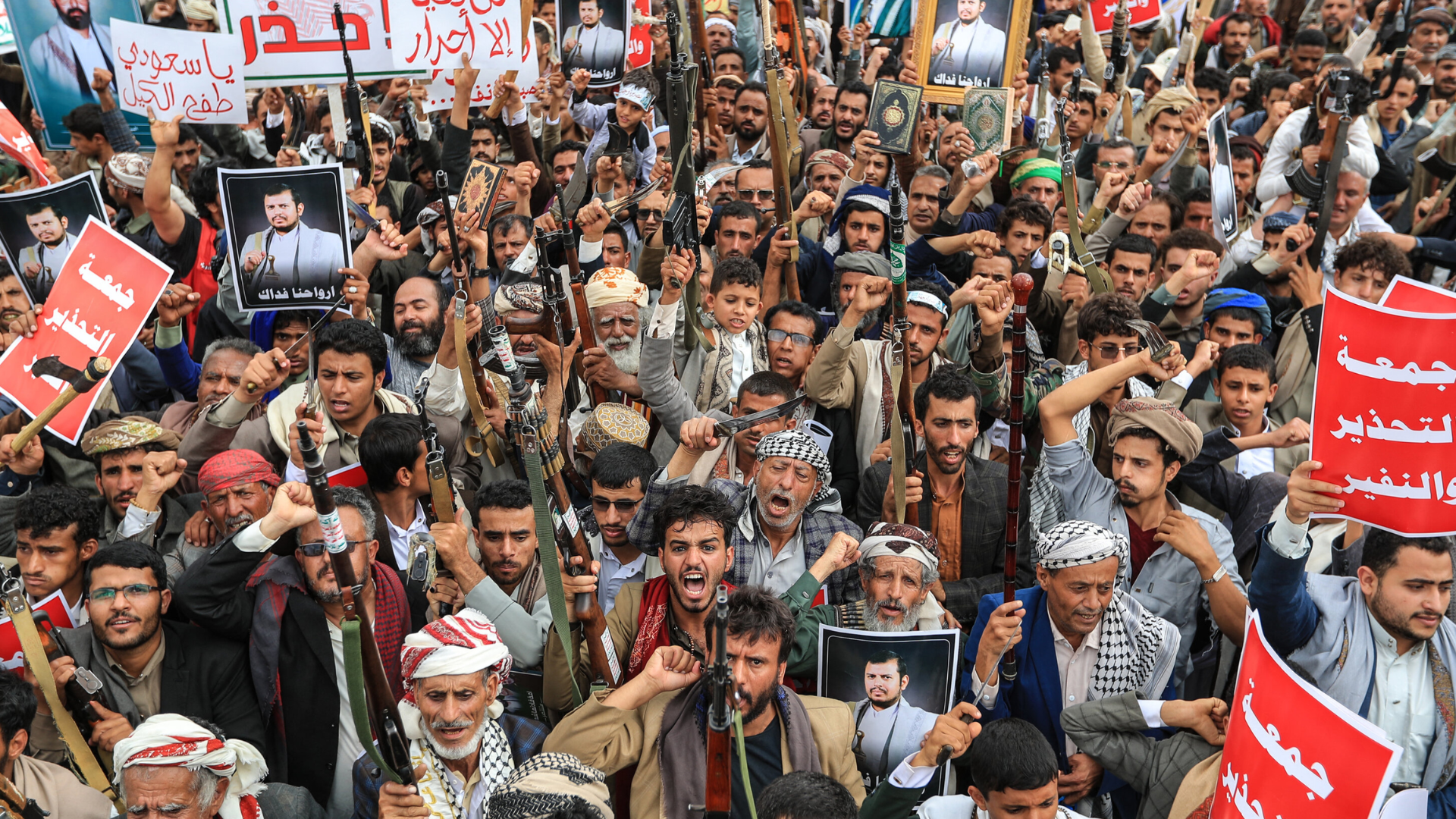
KUALA LUMPUR, JULY 2026 – Escalating attacks by Yemen’s Houthi movement and Iraq’s Popular Mobilization Forces (PMF) against Saudi Arabia could become one of Iran’s most significant strategic mistakes, according to geopolitical analyst Sultan Barakat.
Barakat argued that allowing Tehran-backed proxy groups to target Saudi Arabia risks undermining Iran’s regional influence while encouraging stronger political and military cooperation among Gulf states and their international allies.
The warning comes after a series of drone and missile attacks targeting Saudi territory and key energy infrastructure, which Riyadh has attributed to armed groups supported by Iran.
Saudi Arabia has repeatedly condemned the attacks, describing them as acts of aggression that threaten regional security and international energy supplies.
According to Barakat, Iran has spent years attempting to rebuild diplomatic relations with Gulf countries, including Saudi Arabia. However, continued attacks by proxy forces risk reversing that progress and damaging Tehran’s long-term strategic interests.
He noted that instead of weakening Saudi Arabia, such attacks could strengthen regional unity against Iran while increasing international support for Riyadh.
Recent strikes have focused on Saudi oil facilities and energy infrastructure, prompting concerns over global energy markets and maritime security in the Red Sea.
Although Saudi air defence systems intercepted many of the incoming drones and missiles, the attacks have heightened fears of broader regional escalation involving Iran, the United States and several Gulf nations.
Barakat also suggested that expanding the conflict beyond Yemen and Iraq could further isolate Iran diplomatically at a time when it faces increasing economic pressure and international scrutiny.
He warned that continued reliance on proxy warfare may produce unintended consequences, making it more difficult for Tehran to pursue diplomatic engagement with neighbouring Arab states.
The renewed tensions come as Saudi Arabia resumes military operations against Houthi positions following the collapse of a ceasefire that had largely held since 2022.
The Houthis have vowed to continue targeting Saudi energy infrastructure and shipping routes, while Saudi-led forces have intensified strikes against Houthi military sites in Yemen.
Security analysts warn that any prolonged exchange of attacks could threaten critical oil supply routes through the Red Sea and increase volatility in global energy markets.
The latest developments have also raised concerns among international observers that proxy conflicts across the Middle East could evolve into a broader regional confrontation involving multiple state and non-state actors.