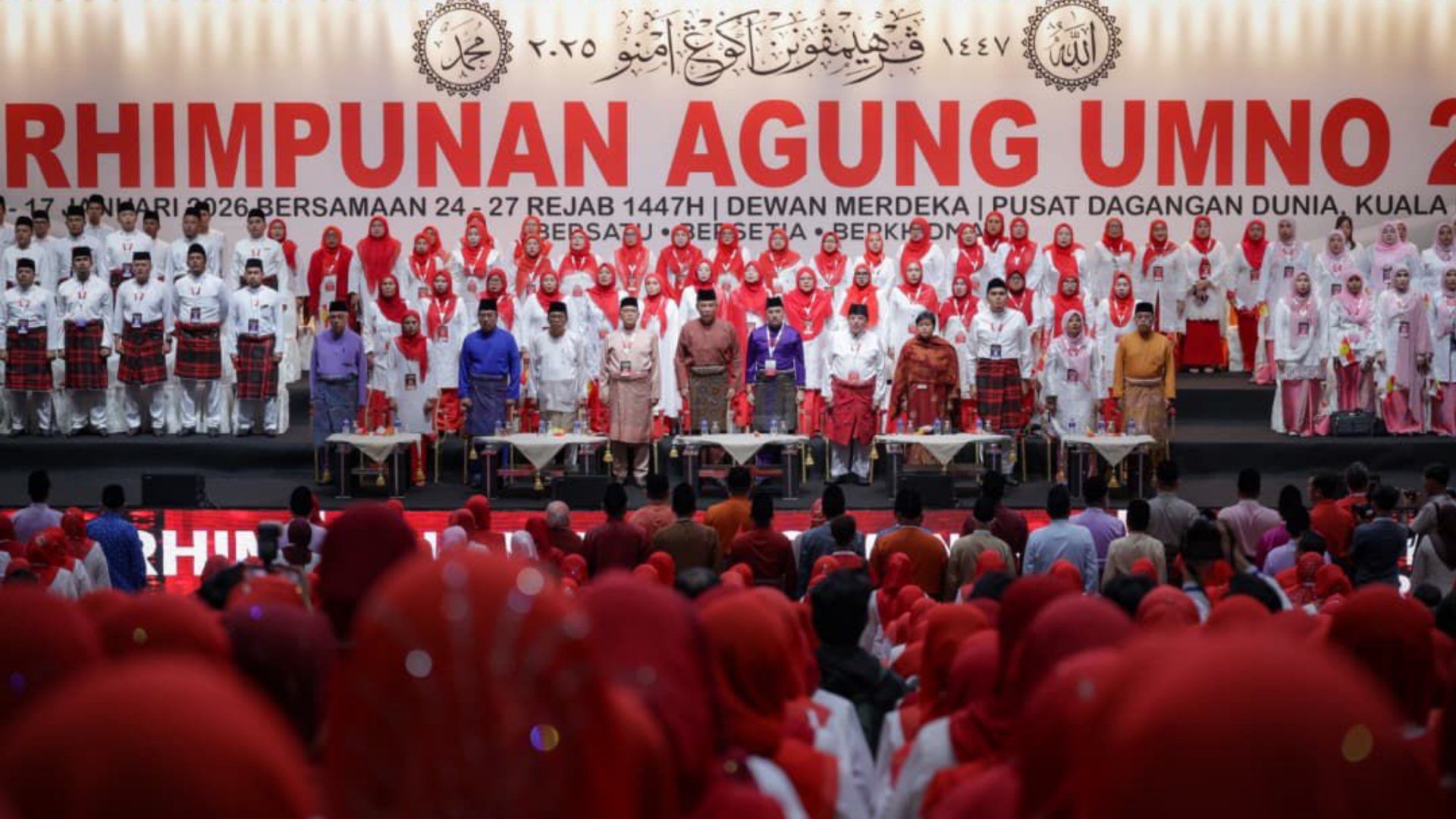
KUALA LUMPUR, AUGUST 2026 – Political analysts have warned that the Melaka state election could become the first major test of the newly formed cooperation between Barisan Nasional (BN) and Perikatan Nasional (PN), with internal disagreements expected to emerge over seat allocations and political influence.
Senior Universiti Putra Malaysia (UPM) lecturer Dr Nur Ayuni Mohd Isa said the political landscape in Melaka differs significantly from Johor and Negeri Sembilan, making it more difficult for BN and PN to apply the same cooperation formula that previously delivered strong election victories.

According to her, both coalitions have valid reasons to believe they deserve a stronger position in Melaka, creating competing expectations that could strain negotiations before candidates are finalised.
She noted that while the BN-PN partnership produced convincing wins in Johor and Negeri Sembilan, Melaka presents a different political environment where both sides are likely to push harder for favourable seat allocations.
Nur Ayuni said disagreements over constituency distribution, future Cabinet or executive appointments and leadership roles could become sources of dissatisfaction among coalition members.
She warned that these issues may generate internal resistance if either coalition feels it has been unfairly treated during negotiations.
The analyst pointed to recent remarks by PAS president Tan Sri Abdul Hadi Awang, who suggested that the cooperation formula in Melaka could differ from those adopted in Johor and Negeri Sembilan.
She interpreted the statement as an early indication that PAS and PN are unwilling to play only a supporting role in the Melaka contest.
Several possible seat-sharing approaches are now being discussed.
One option is to retain incumbent-held constituencies, a formula that would largely benefit UMNO because BN currently controls 20 seats in the Melaka State Legislative Assembly.
Another approach would be based on the most recent electoral performance, which could favour PN after its parliamentary results and influence in several constituencies.
A third possibility would allocate seats according to each coalition’s perceived electability.
However, analysts believe such a strategy could require UMNO incumbents to surrender seats to PAS or Parti Wawasan, potentially triggering dissatisfaction among local party divisions and increasing the risk of internal sabotage.
Despite the potential disagreements, Nur Ayuni stressed that differences over negotiations do not necessarily signal the collapse of the alliance.
Instead, they reflect the normal political bargaining process between coalition partners seeking the strongest possible electoral position.
Political observers also believe the outcome of negotiations in Melaka could influence broader cooperation between BN and PN ahead of Malaysia’s next general election.
The state election is expected to provide valuable insight into whether both coalitions can maintain unity while balancing their respective political ambitions.
As campaigning approaches, attention is expected to focus not only on the contest against rival parties but also on how effectively BN and PN manage internal expectations.
The ability to reach a compromise on seat distribution and leadership arrangements could ultimately determine whether the alliance remains cohesive heading into future national elections.