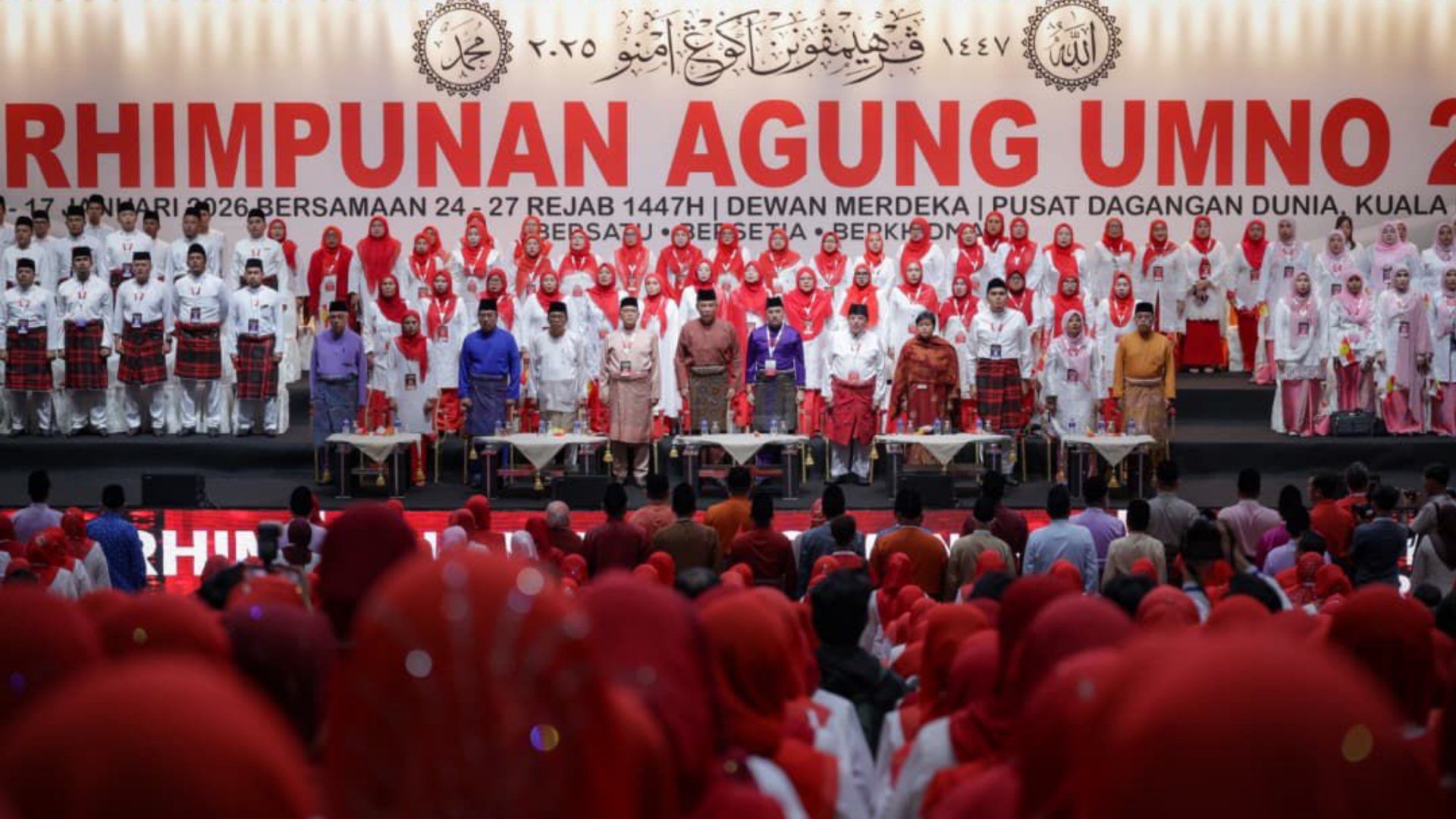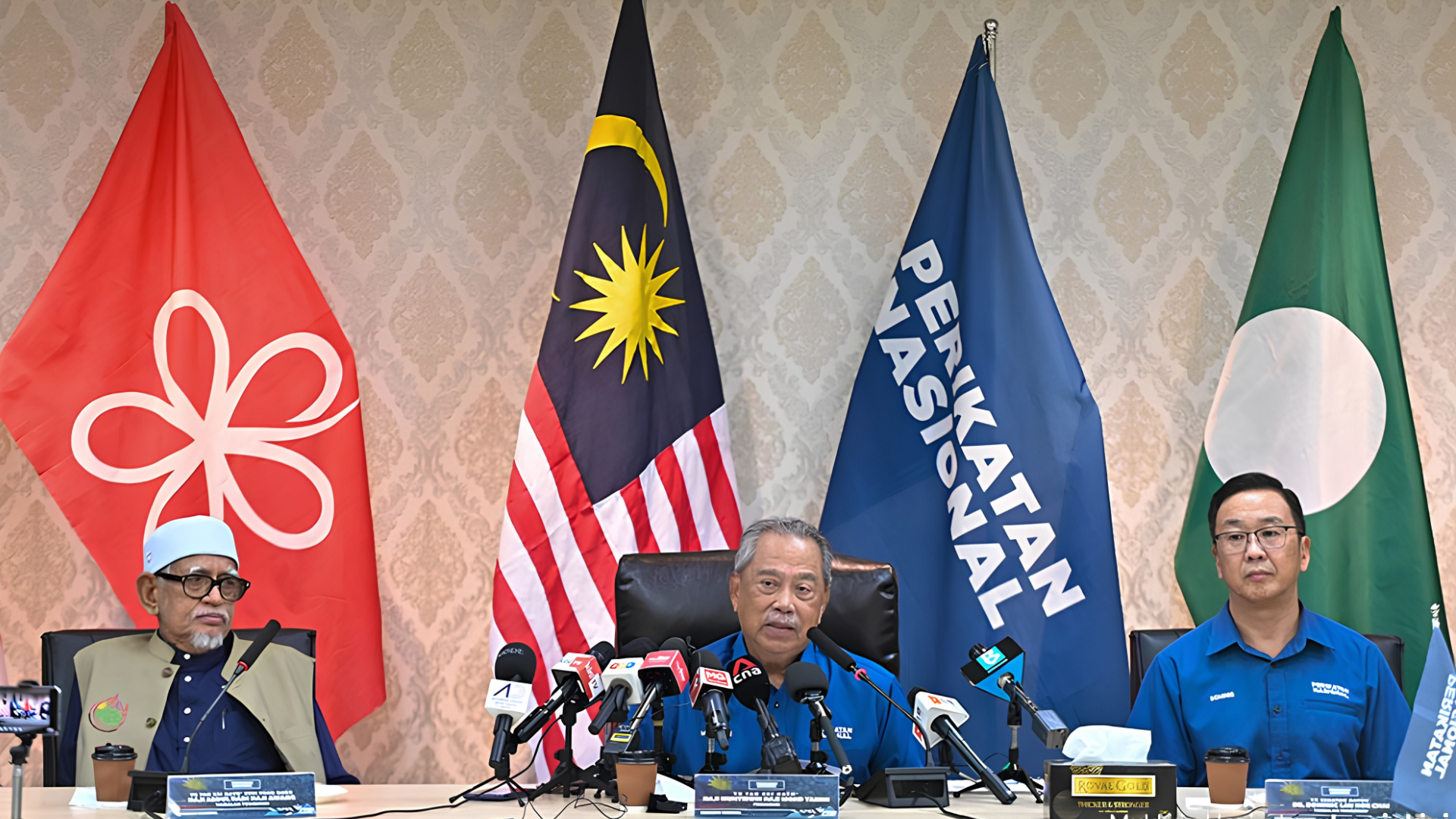
KUALA LUMPUR, AUGUST 2026 — A potential Barisan Nasional (BN) and Perikatan Nasional (PN) alliance could significantly reshape Malaysia’s political landscape in the 16th General Election (GE16), with one political analyst suggesting the combination could secure enough parliamentary seats to form the federal government.
Ilham Centre executive director Hisommudin Bakar said there is a strong possibility that a BN-PN combination could generate what he described as a “blue wave” in Peninsular Malaysia.

According to his analysis, the two political blocs could potentially capture as many as 122 parliamentary seats in the peninsula alone, exceeding the 112 seats generally required for a simple majority in the 222-seat Dewan Rakyat.
Such an outcome, if realised, could allow the alliance to take control of Putrajaya without depending on parliamentary seats from Sabah and Sarawak.
Hisommudin’s assessment comes amid renewed discussion over possible political cooperation between BN and PN ahead of the next national election.
However, the 122-seat figure should be viewed as a political scenario based on current electoral dynamics rather than a definitive prediction of the GE16 result.
Malaysia’s political landscape remains fluid, and future outcomes will depend on factors including candidate selection, seat negotiations, voter sentiment, turnout and the political alliances ultimately formed before polling day.
A BN-PN partnership would potentially consolidate significant segments of the Malay electorate, particularly in constituencies where both coalitions have previously competed against each other.
Avoiding multi-cornered contests could also change the electoral mathematics in marginal constituencies, where splitting votes among competing parties can determine the final result.
BN, led by Umno as its dominant component, retains an established grassroots network across many parts of the country.
PN, meanwhile, has built substantial electoral support through Bersatu and PAS, particularly following its strong performance among Malay voters in recent elections.
Combining those respective electoral strengths could potentially create a formidable challenge to the current federal administration led by Prime Minister Anwar Ibrahim.
Nevertheless, any formal partnership would involve significant political considerations.
BN and PN have competed directly against each other in numerous constituencies, meaning negotiations over candidates, parliamentary seats and leadership arrangements could become major obstacles to cooperation.
The relationship between Umno and Bersatu would also be closely watched given their history of political rivalry following the realignment of Malaysian politics after the 2018 general election.
At the same time, the political position of PAS would be an important factor because of its significant parliamentary presence and strong support base in several Malay-majority states.
The next general election will also be influenced by the performance of the current government, economic conditions, cost-of-living concerns and public perceptions of political stability.
Voter priorities could change considerably before GE16, making projections based on present conditions inherently uncertain.
Malaysia’s electoral landscape has undergone major changes over the past three general elections, with traditional voting patterns becoming less predictable and coalition politics increasingly determining who forms the federal government.
Hisommudin’s projection suggests that cooperation between the two blocs could substantially improve their electoral prospects by consolidating support and reducing direct competition between them.