New Delhi, El Sky News – India’s recent geopolitical stance showcases a careful balancing strategy between strengthening strategic ties with the United States and maintaining pragmatic relations with China. This approach reflects New Delhi’s ongoing effort to secure national sovereignty, boost domestic economic growth, and avoid being locked into any military or political bloc.
India’s Strategic Position

India is navigating a delicate diplomatic path deepening defense and technology cooperation with the U.S. while simultaneously keeping economic channels open with China. This comes amid trade pressures from Washington, tense border concerns with Beijing, and India’s goal of preserving its strategic autonomy in an increasingly polarized global landscape.
Key Developments & Facts
1. A Cautious Tilt Toward the U.S.
Recent geopolitical analyses describe India as “leaning toward the U.S., cautiously” strengthening cooperation in technology, defense, and security, while resisting any binding commitments that limit strategic choices.
2. Strong Economy as a Bargaining Tool
India’s robust economic performance in recent quarters has boosted its bargaining power in trade negotiations, particularly with the U.S., where tariff disputes remain a key pressure point.
3. China Relations: Recovery but Not Trust
Though flight and trade channels between India and China are gradually reopening, analysts warn that unresolved border tensions especially in Ladakh continue to limit diplomatic trust.
4. Trade Tensions with the U.S.
Ongoing tariff issues with Washington have led to diplomatic friction. Analysts warn that strained trade relations could impact broader strategic cooperation.
5. India as a “Middle Power”
India is increasingly viewed as a pivotal middle power leveraging its position between superpowers, using platforms such as the QUAD, SCO, G20, and strategic trade agreements with the UK, UAE, and Australia to widen its geopolitical influence.
Expert Insight (Paraphrased)
- A Belfer Center analyst notes that India is “leveraging U.S.–China competition to secure technological and security gains while maintaining freedom of action.”
- Reuters reports that India’s strong economic data gives it room to negotiate in trade talks with Washington.
Why It Matters
- Economically: India is one of the world’s fastest-growing major economies a key trade and manufacturing hub.
- Strategically: The India-China border dispute in Ladakh remains a flashpoint with potential military implications.
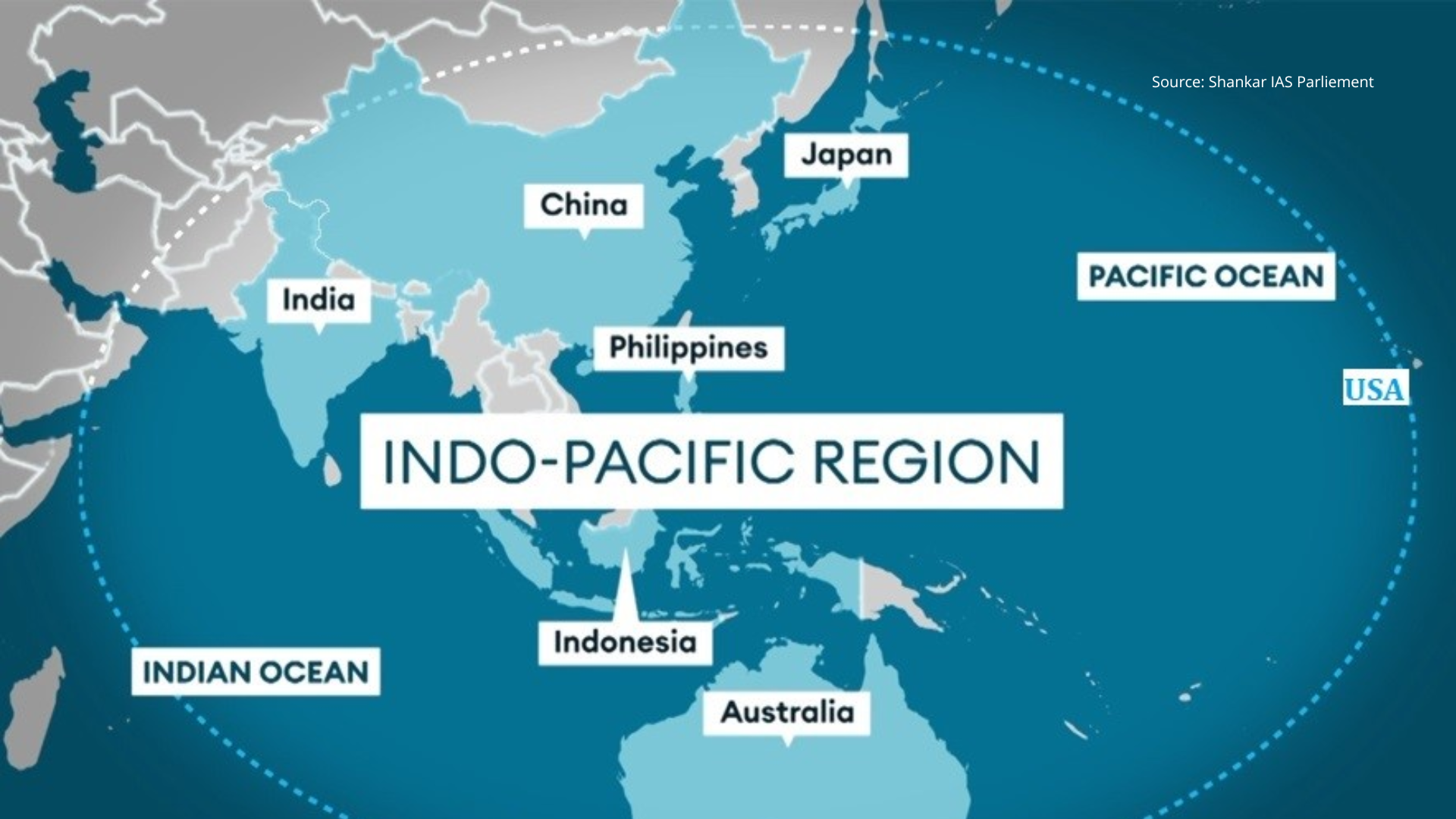
- Geopolitically: India’s decisions are shaping Indo-Pacific power dynamics, influencing U.S. and Chinese strategies in the region.
Short-Term & Long-Term Outlook
In the short term, India is expected to maintain its pragmatic diplomatic approach strengthening security and technology cooperation with the United States while actively seeking trade stability through negotiations. New Delhi is also exploring alternative economic partnerships across Asia, including with the United Arab Emirates, the United Kingdom, and Australia, as a strategy to diversify trade channels and reduce reliance on any single major power.
Looking toward the long term, analysts warn that prolonged trade disputes between Washington and New Delhi especially regarding tariffs and market access could push India to recalibrate its geopolitical orientation. If tensions escalate, India may further expand its engagement with Asian economies and cautiously improve relations with China in the economic domain. Such a shift could gradually reshape the balance of power in South Asia and the broader Indo-Pacific region, positioning India as an independent strategic actor rather than merely an ally of the West.
India is not choosing sides it is choosing leverage. By mastering geopolitical balance, New Delhi aims to shape not just react to global power dynamics.