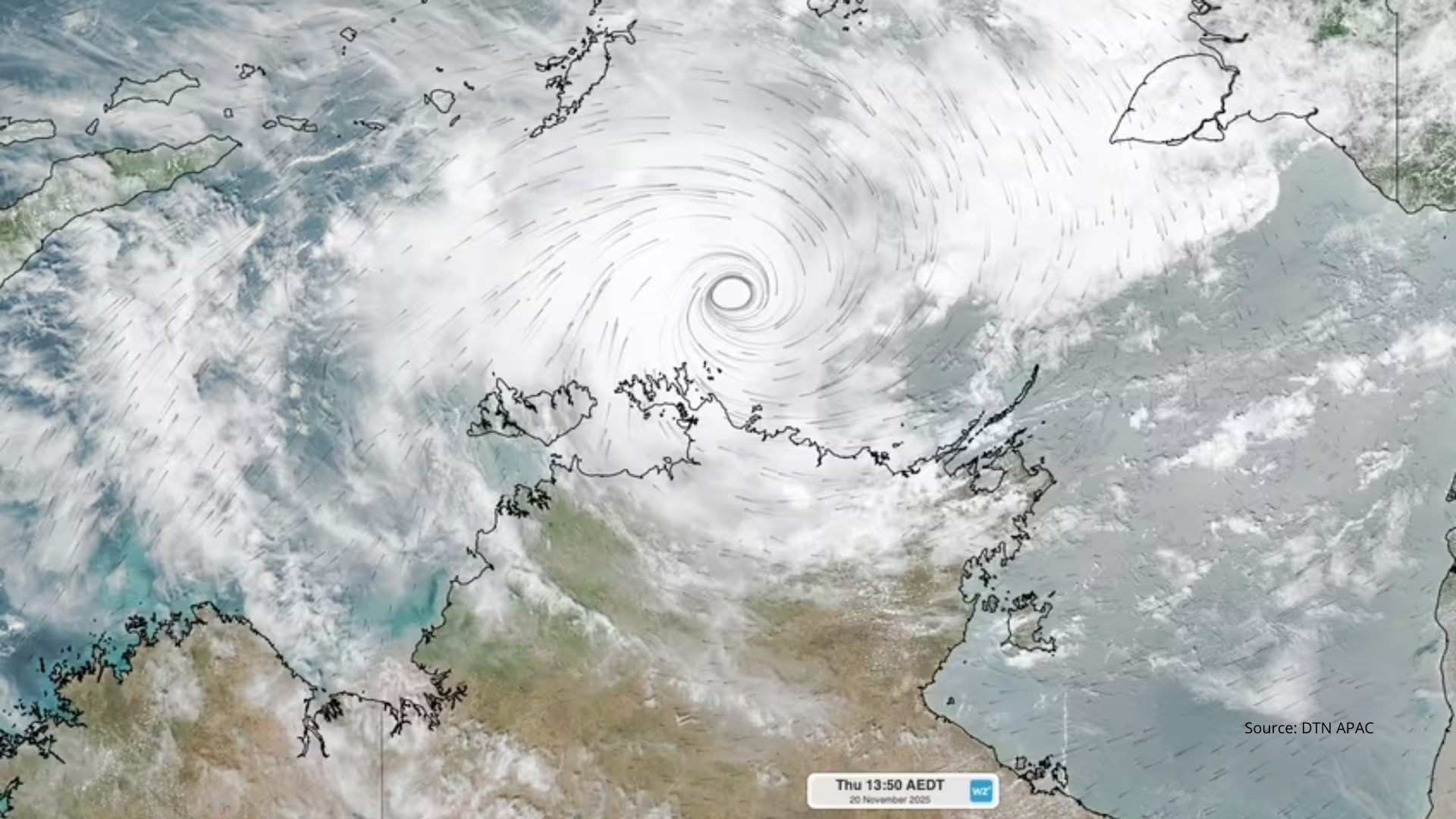
Australia, El Sky News — Tropical cyclone “Fina” formed in the Timor Sea earlier this week and intensified into a Category 4 storm before making landfall in Darwin, Northern Territory. With wind speeds exceeding 210 km/h (130 mph), the cyclone caused significant infrastructure damage, widespread power outages, and forced thousands of residents to evacuate.
This event quickly went viral globally due to its extreme strength and potential impacts on both local communities and the economy, highlighting the growing threats of climate change on tropical storm intensity.

Storm Impact
- Infrastructure Damage: Over 19,000 homes and businesses lost power. Major roads were flooded, and fallen trees blocked access. Portions of the Royal Darwin Hospital roof collapsed, prompting the evacuation of several patients.
- Public Services Disruption: Darwin Airport suspended all international and domestic flights. Public transport services were halted, and mobile and internet networks were partially down.
- Economic Losses: Local businesses, including shops, restaurants, and hotels, suffered substantial losses due to flooding and power outages. Initial estimates suggest damages of millions of AUD.
Government and Emergency Response
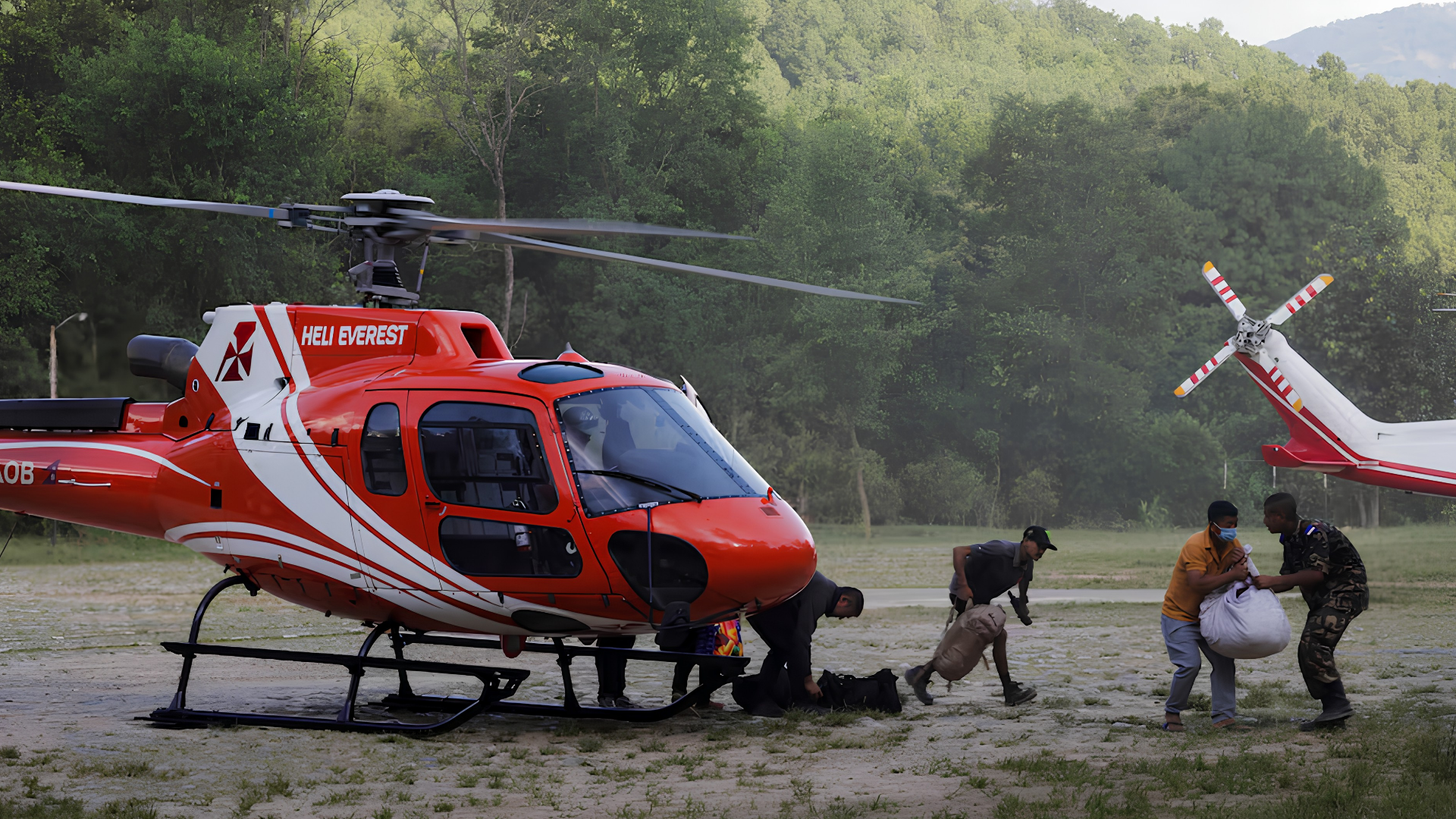
The Northern Territory Government activated the Emergency Operations Center and deployed disaster response teams and military personnel:
- Resident Evacuations: Thousands living in coastal and flood-prone areas were relocated to emergency shelters.
- Rapid Response Teams: Teams were deployed to clear roads, restore electricity, and deliver essential supplies.
- Weather Warnings: The Australian Bureau of Meteorology (BOM) issued extreme weather alerts for Darwin, as well as Katherine and Palmerston.
Residents were urged to stay indoors, stock up on food and water, and monitor official updates. Schools and government offices were temporarily closed.
Climate and Political Context
Cyclone Fina struck amid national debates over climate change policy:
- Political Tensions: The Coalition rejected several environmental bills proposed by the government, despite expert warnings that high-category tropical cyclones are likely to become more frequent due to warmer sea temperatures.
- Climate Science: Recent studies indicate that rising sea surface temperatures amplify tropical cyclone intensity and increase the risk of coastal flooding.
Meteorologists note that events like Cyclone Fina provide a stark example of how climate change strengthens extreme weather, posing real threats to human life and economic stability.
Global Attention
International media outlets, including BBC, CNN, and The Guardian, reported Cyclone Fina as one of the most viral natural disasters this week, emphasizing the urgent need for countries to enhance preparedness and implement climate mitigation strategies.
Safety Tips for Residents
- Stay indoors and away from windows and unstable structures.
- Prepare an emergency kit with water, food, medications, flashlights, and spare batteries.
- Avoid travel during the storm and follow updates from BOM and emergency services.