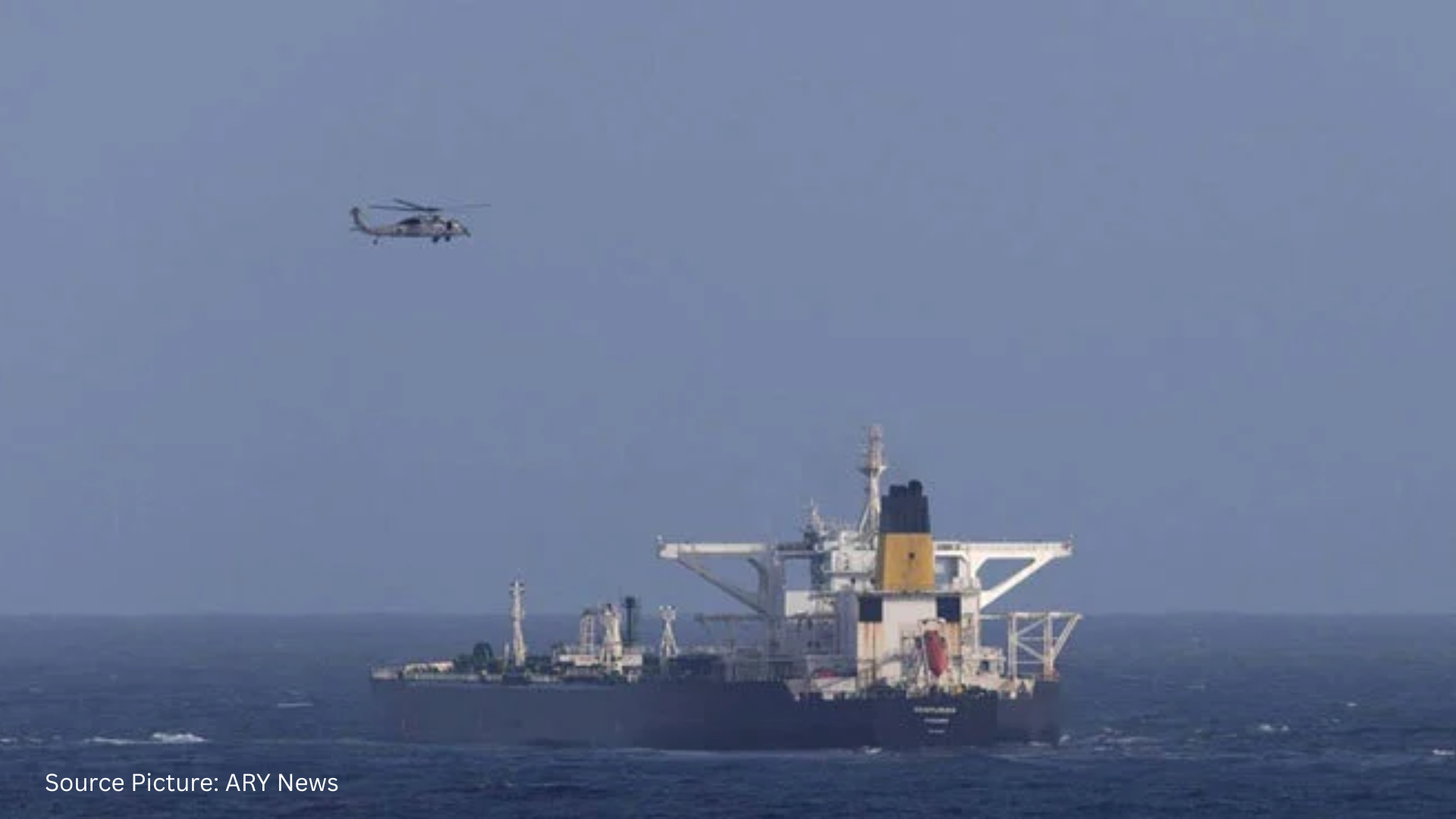
WASHINGTON / CARACAS, El Sky News – Tensions in the Caribbean have escalated as U.S. maritime authorities intercepted an oil tanker near the coast of Venezuela on Sunday. The operation is part of an ongoing strategic effort by Washington to monitor and enforce economic sanctions placed on Venezuela’s state-owned energy sector, specifically targeting vessels suspected of transporting crude oil in violation of international trade restrictions.
The vessel, whose identity is being withheld pending further legal verification, was reportedly tracked by naval intelligence after displaying “suspicious navigation patterns” common in efforts to bypass maritime surveillance. This latest move underscores the U.S. government’s firm stance on maintaining the integrity of its energy sanctions roadmap.

Strategic Energy Oversight A spokesperson for the U.S. Department of the Treasury’s Office of Foreign Assets Control (OFAC) indicated that the mission was carried out to ensure compliance with existing mandates. “The enforcement of these sanctions is vital to maintaining global diplomatic pressure and ensuring that international energy markets operate within the framework of established laws,” the statement read.
Venezuelan authorities have yet to issue a full formal response, though domestic energy representatives have previously criticized such interventions as “maritime interference.” Despite the high-stakes nature of the interception, the operation was reported to have concluded without physical confrontation, as the vessel complied with instructions for inspection.
Market and Geopolitical Implications Energy analysts suggest that this move could lead to a temporary fluctuation in regional oil supply chains. “The persistent monitoring of Venezuelan exports serves as a reminder to global shipping companies of the risks associated with unauthorized energy trade in restricted zones,” said an international energy consultant based in Houston.
Key Points of the Sanction Framework:
- Vessel Tracking: Increased use of satellite and aerial surveillance to detect “dark shipping” activities where tankers turn off their transponders.
- Economic Pressure: Aiming to limit the revenue streams of state-controlled entities while encouraging democratic dialogue.
- Global Shipping Standards: Reinforcing the importance of transparency in the maritime industry for all international trade participants.
A Path Toward De-escalation? While the interception highlights a rigid enforcement policy, diplomatic observers believe that such actions are also a precursor to broader negotiations. As the 2026 geopolitical calendar approaches, the world continues to watch whether these enforcement measures will lead to a renewed diplomatic breakthrough or further solidify the current standoff.
For now, the intercepted tanker remains under monitoring as investigators conduct a comprehensive review of its cargo and origin documentation.
(Leakim Otid)