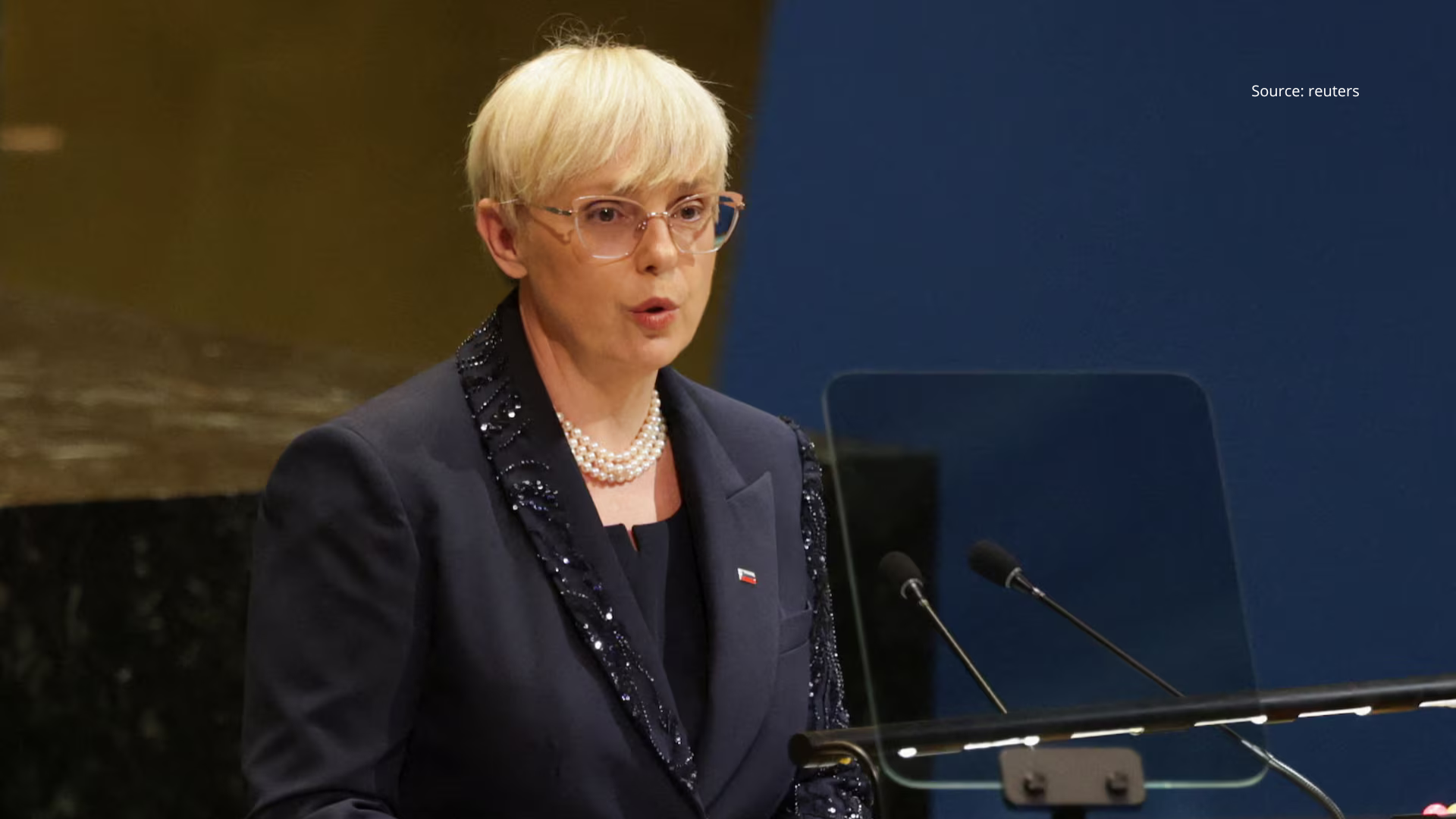
Slovenia, El Sky News — Slovenia’s President Nataša Pirc Musar has officially announced that the country will hold its next parliamentary elections on March 22, 2026, marking a decisive moment in the political calendar of the NATO and European Union member state. The election is expected to be a closely contested test of the nation’s democratic process and political landscape.
Official Decree and Democratic Significance

On Tuesday, January 6, 2026, President Pirc Musar signed an official decree calling for the parliamentary election, launching what she described as a crucial period in Slovenia’s democratic process. The election will determine the makeup of the 90-member National Assembly, which holds legislative authority in the country.
In her statement, Pirc Musar emphasized the importance of fair and respectful campaigning, urging political parties, the media, and the public to maintain a calm, solution-oriented tone during the pre-election period. She also affirmed her commitment to combatting disinformation and manipulation, including from foreign sources, ahead of the vote.
“The decree marks the start of an important period for democracy in which citizens will again decide on the future direction of our country,” the president said.
Political Context and Key Players
Since June 2022, Slovenia has been governed by a centre-left coalition government led by Prime Minister Robert Golob, whose Freedom Movement party forms a ruling alliance with the Social Democrats and The Left. The government came to power by defeating a previous administration led by populist former prime minister Janez Janša and his Slovenian Democratic Party (SDS).
The elections are widely viewed as a pivotal political test for Golob’s coalition, which has faced criticism from opposition parties over economic issues and other national priorities. Meanwhile, the SDS and other right-wing parties aim to reclaim influence in a political landscape that has grown increasingly competitive.
Electoral Process and Legal Framework
Under Slovenian law, regular parliamentary elections must be called within a defined period before the end of the current National Assembly’s term, and the decree officially sets the clock in motion. Once the election takes place, the newly elected assembly must convene within 20 days, after which the president has a further 30 days to designate a prime minister-candidate capable of securing majority support (at least 46 seats) in the chamber.
Challenges and Voter Engagement
Political analysts expect the 2026 election to reflect deeper debates about Slovenia’s future direction, including economic policy, social welfare, and the nation’s role within the EU and NATO framework. President Pirc Musar has called on all parties to focus on substantive policy issues rather than divisive rhetoric, highlighting the broader importance of democratic discourse.
Efforts to safeguard the electoral process including vigilance against misinformation and manipulation are anticipated to be a key theme during the campaign period, given global concerns over electoral integrity in democratic states.
Slovenia’s announcement of March 22, 2026 as the date for its parliamentary elections marks a critical moment in the nation’s democratic cycle. With a competitive political environment, ongoing debates over policy directions, and public calls for fair and responsible campaigning, the election is poised to shape Slovenia’s political trajectory in the years ahead.
(Lunar)