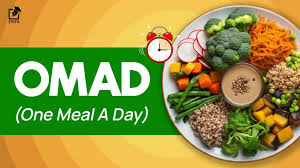
As extreme fasting gains popularity among biohackers and celebrities, medical experts weigh in on the reality of the OMAD lifestyle.
Defining the One-Meal Standard
The One Meal A Day (OMAD) protocol is the most rigorous form of intermittent fasting. Unlike the popular 16:8 method, OMAD operates on a 23:1 ratio, requiring practitioners to abstain from calories for 23 hours, followed by a single 60-minute feeding window. The goal is to force the body into a state of constant fat-burning by keeping insulin levels low for the vast majority of the day.

The Science of the “Short Window”
Proponents of the diet point to several physiological advantages that occur when the body is deprived of food for nearly a full day:
- Weight Management: By default, it is difficult to consume a full day’s worth of calories in a single sitting, leading to a natural caloric deficit.
- Cellular Repair: Long fasting periods can trigger autophagy, a natural “housecleaning” process where cells repair themselves.
- Blood Sugar Stability: Studies suggest it may improve insulin sensitivity, potentially lowering the risk of Type 2 diabetes for some individuals.
The Physical and Nutritional Toll
Despite the hype, the medical community warns that OMAD is a “double-edged sword.” The primary concern is nutritional density. Consuming 100% of your daily required fiber, vitamins, and minerals in one hour is a massive challenge for the digestive system.
Common side effects reported by users include:
- Cognitive Decline: Prolonged fasting can lead to “brain fog,” dizziness, and irritability (often called being “hangry”).
- Disordered Eating: The cycle of extreme restriction followed by a massive feast can trigger binge-eating patterns.
- Physical Exhaustion: Without a steady supply of glucose, many find it difficult to maintain high-intensity workouts or long workdays.
A Warning for High-Risk Groups
Doctors emphasize that OMAD is not a “one size fits all” solution. It is strictly discouraged for pregnant women, children, and those with a history of eating disorders. Furthermore, individuals on specific medications that require food intake should avoid this regimen entirely. ( Rahul Rezky )