DUBAI / TEHRAN, March 3 — The reported assassination of Iran’s Supreme Leader Ali Khamenei has thrown the Islamic Republic into a dangerous and pivotal leadership transition, triggering intense speculation and political manoeuvring over who will succeed the figure who dominated Iranian politics for nearly four decades.
Khamenei — who had served as Iran’s second Supreme Leader since 1989 and wielded ultimate authority over the nation’s political, military and religious affairs — was killed in U.S. and Israeli air strikes, according to Iranian state media and official statements released earlier this week.

Under Iran’s constitutional framework, a new Supreme Leader must be appointed by the Assembly of Experts — an 88‑member council of senior Shiite clerics tasked with selecting the highest authority in the Islamic Republic. Until a permanent successor is chosen, Iran has formed an interim leadership council to oversee state functions and provide continuity of governance.
This three‑man interim council currently consists of:
- President Masoud Pezeshkian
- Chief Justice Gholam‑Hossein Mohseni‑Ejei
- Cleric Alireza Arafi
These figures have assumed collective leadership roles, ensuring constitutional duties continue while the succession process unfolds.
However, no permanent successor has been officially designated, and the task before the Assembly of Experts is fraught with political and ideological complications — especially given the delicate internal balance between hardliners, moderates and reformists, as well as the ongoing external military conflict involving Iran. Observers say the process could have far‑reaching implications for both Iran’s domestic trajectory and its foreign relations.
Potential Contenders and the Succession Race
Analysts and foreign media have identified several possible candidates who could emerge as the next Supreme Leader once the Assembly convenes and votes on a permanent choice:
1. Gholam‑Hossein Mohseni‑Ejei – Head of Iran’s judiciary and member of the interim leadership council, known for his strong ties to conservative institutions and hardline ideological stance.
2. Alireza Arafi – Senior cleric and influential member of the Guardian Council and interim leadership council — respected within religious hierarchies and a possible compromise candidate.
3. Mojtaba Khamenei – Son of the late leader, with significant influence behind the scenes, particularly within the Islamic Revolutionary Guard Corps (IRGC), though his succession is controversial due to constitutional aversion to hereditary rule.
4. Hassan Khomeini – Grandson of the Islamic Republic’s founder; seen by some as a moderate figure who could bridge factions, though his influence is mixed among hardliners.
5. Sadeq Larijani & Other Clerics – Senior religious figures and former judiciary heads who may garner backing from conservative elements in the clerical establishment.
No definitive frontrunner has yet emerged, and the timeline for the final decision — while expected to be swift — remains uncertain amid heightened tensions. Some Iranian officials have suggested the Assembly of Experts might choose a new leader within days to prevent political instability, though analysts caution the process may be protracted given internal divisions and strategic calculations.
Political Context and National Response
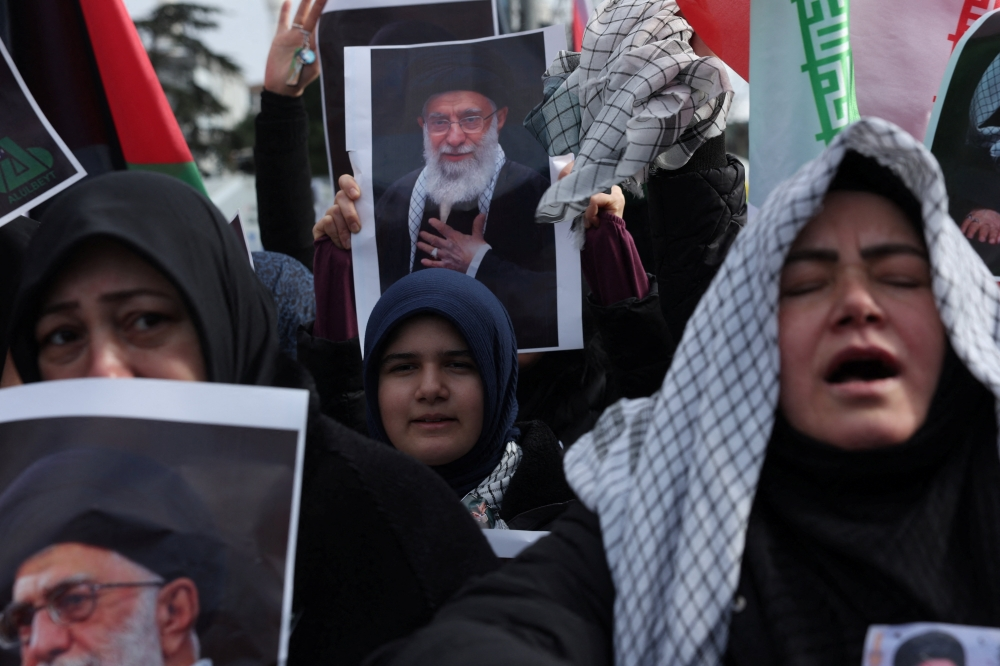
The assassination of Khamenei — a pivotal figure whose authority shaped Iran’s modern identity, regional policy and governance — has produced sharply divided reactions among Iranians. While hardliners insist on maintaining the ideological continuity of the Islamic Republic, segments of the population and external critics see the succession as a rare crack in the regime’s monolith.
Internationally, Tehran’s allies and rivals alike are closely watching how the leadership transition unfolds, recognizing that the new supreme leader will wield enormous influence over Iran’s approach to nuclear negotiations, relations with the West, and its role in Middle Eastern geopolitics. Analysts warn that the Assembly’s choice could determine whether Iran pursues greater diplomatic engagement — or doubles down on hardline resistance — in the coming years.
For now, Iran’s leadership vacuum compounds the uncertainty already gripping the region, as the country grapples with both domestic upheaval and the intensification of conflict with the United States and its allies. The process to select the next Supreme Leader will be closely watched as a defining moment in the future direction of the Islamic Republic.