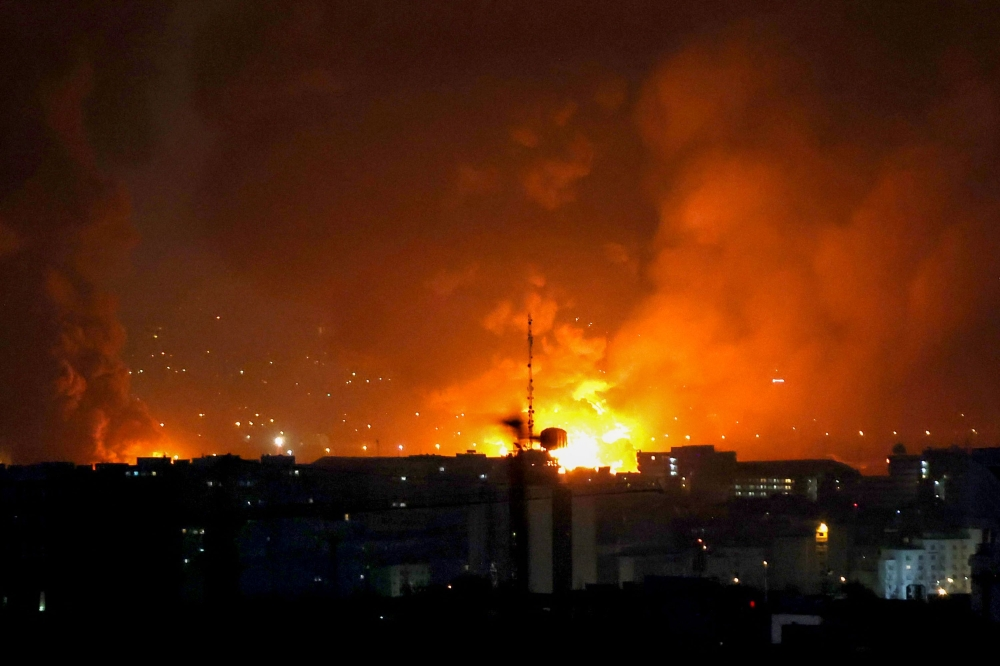
JERUSALEM, March 7 — Israel carried out fresh airstrikes on Iran’s capital Tehran as the conflict between the two regional rivals continued to escalate, with Iran retaliating by launching another round of missile attacks across the region.
The latest exchange of strikes marks a dangerous new phase in the war, which has already spread beyond the borders of the two countries and begun affecting global energy markets and international security. Explosions were reported in Tehran as Israeli forces targeted military infrastructure, including missile launch sites and defence systems believed to be used by Iranian forces.

Iran responded by firing additional missile barrages toward Israeli territory and targets linked to U.S. allies in the region, signalling that the conflict is far from over. The escalating attacks have heightened fears that the war could expand further across the Middle East.
Strait of Hormuz Disruption Sends Oil Prices Soaring
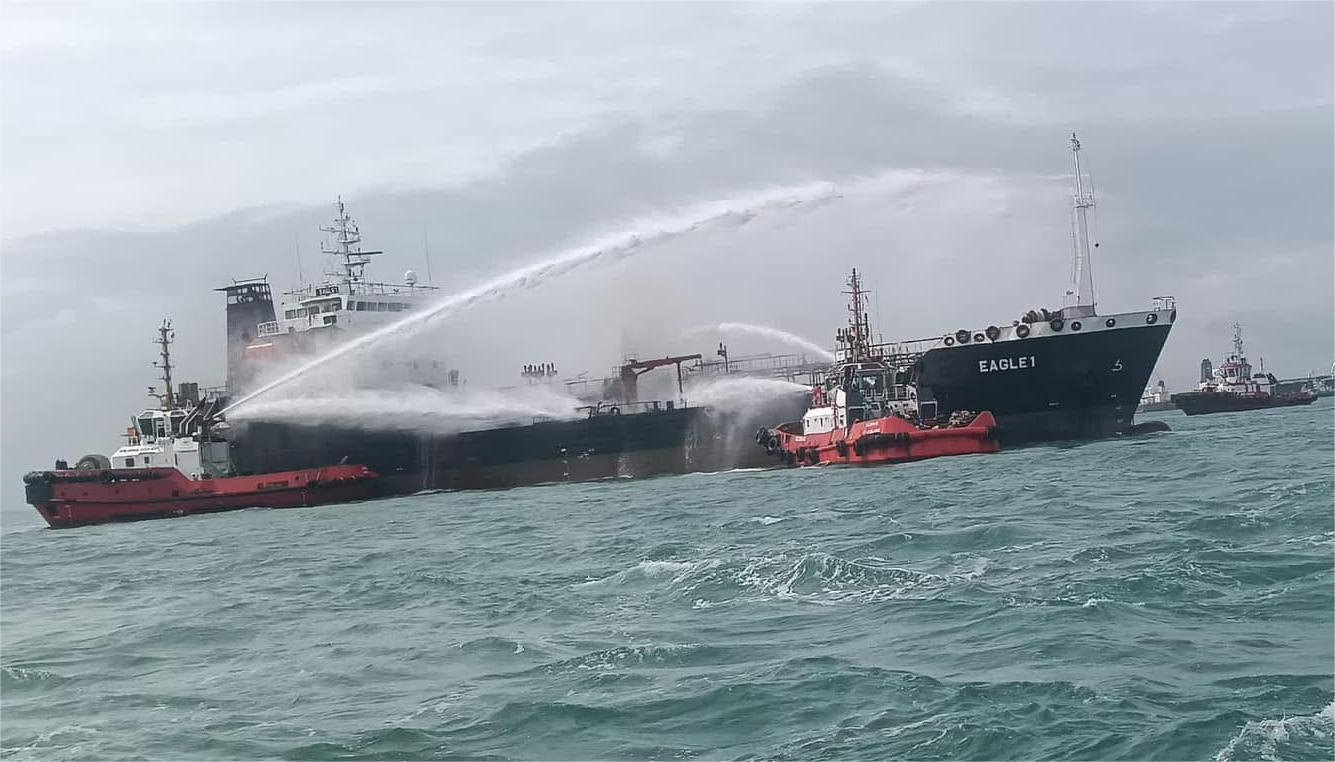
The intensifying conflict has severely disrupted maritime traffic through the Strait of Hormuz, one of the world’s most critical energy shipping routes. The narrow waterway normally handles roughly one-fifth of global oil supplies, making it a vital artery for international energy markets.
However, tanker movements through the strait have dropped dramatically following a series of drone attacks and security threats targeting commercial vessels. As a result, oil shipments from the Gulf region have slowed significantly, raising concerns about supply shortages.
Global oil prices surged in response to the disruption, with U.S. crude climbing sharply and Brent crude approaching US$90 per barrel, marking one of the biggest weekly increases in recent years.
Energy analysts warn that if the conflict continues to disrupt shipping routes, oil prices could climb even higher and potentially exceed US$100 per barrel, increasing pressure on global economies already struggling with inflation.
Regional Attacks Continue to Spread
The war has also triggered a wave of attacks across multiple countries in the Middle East. Iranian-aligned forces have launched drone and missile strikes targeting oil facilities, ports and military bases linked to the United States and its allies.
Recent attacks have hit infrastructure across the Gulf region, including energy facilities and shipping routes, while missile and drone strikes have targeted strategic economic centres.
Security experts warn that the widening conflict could draw additional regional powers into the war, raising the risk of a prolonged military confrontation that would further destabilise global markets.
Global Economic Shockwaves
The conflict has already triggered significant disruptions in global business and supply chains. Industries reliant on energy supplies — including manufacturing, aviation and shipping — are facing rising costs and logistical challenges.
Financial markets have also reacted sharply to the escalating crisis. Oil prices have surged, stock markets have shown increased volatility, and shipping insurance costs for vessels travelling through the Gulf have jumped dramatically.
Economists say prolonged disruption to energy supplies could slow global economic growth and push inflation higher in many countries.
International Calls for De-Escalation
World leaders and international organisations have called for urgent diplomatic efforts to prevent the conflict from spiralling further out of control. However, with both Israel and Iran continuing their military operations, the prospects for immediate negotiations remain uncertain.
Analysts say the situation represents one of the most serious geopolitical crises in years, with the potential to reshape the security and economic landscape of the Middle East and beyond.
As the war intensifies, governments and global markets will be closely watching whether the conflict spreads further — particularly if the Strait of Hormuz remains disrupted, which could have far-reaching consequences for the global energy system.