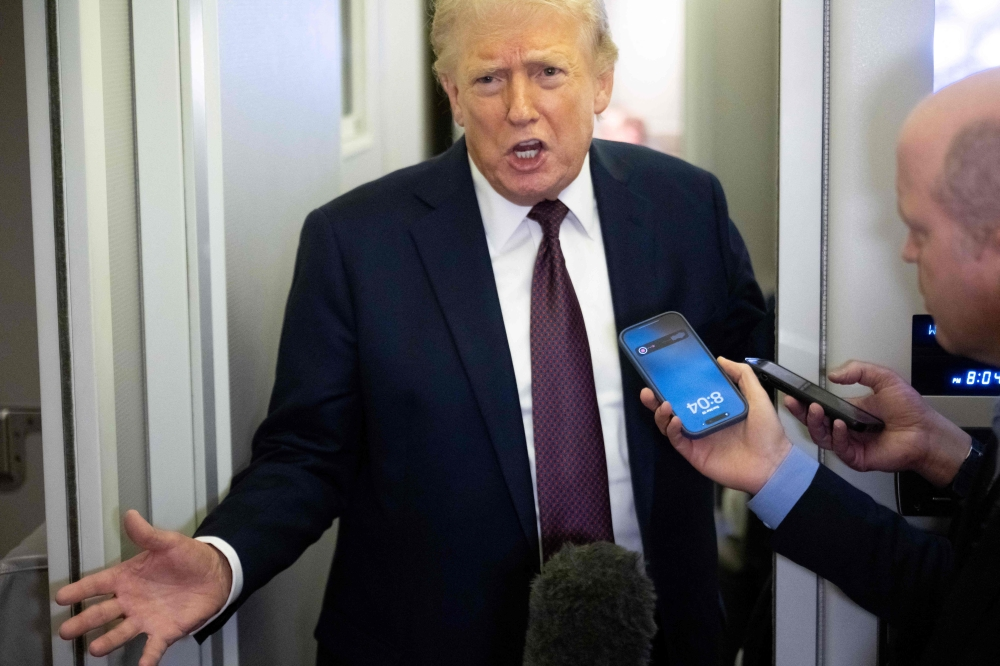
WASHINGTON — United States President Donald Trump has asserted that he has the “absolute right” to impose tariffs in another form, even after the US Supreme Court recently ruled that many of his global tariffs were unlawful.
In a post on his social media platform Truth Social, Trump criticised the court’s decision and argued that the ruling would benefit foreign countries and corporations that he believes have taken advantage of the United States for decades.

“Our Supreme Court has made these countries very happy,” Trump wrote, adding that despite the decision he still retains the authority to implement tariffs through other legal avenues and has “already started to do so.”
The comments come after a landmark US Supreme Court ruling in February 2026 that invalidated many of the tariffs imposed by the Trump administration under emergency economic powers laws. The court determined that the legislation used by the administration did not legally grant the president the authority to impose sweeping import duties.
Despite the legal setback, the Trump administration has continued pursuing alternative trade measures. Shortly after the ruling, officials introduced a 10 percent tariff on imports from many countries using a different statute, Section 122 of the Trade Act of 1974, which allows temporary tariffs for up to 150 days.
The temporary tariffs are expected to remain in place until July, although Trump has previously suggested that the rate could be increased to 15 percent depending on economic conditions and trade negotiations.
The administration has also launched several trade investigations targeting multiple countries, potentially paving the way for more permanent tariffs aimed at protecting American industries and addressing what officials describe as unfair trade practices.
Trump’s stance reflects his long-standing approach to economic policy, which emphasises the use of tariffs as a tool to protect domestic manufacturing and reduce trade deficits. During both his previous and current administrations, tariffs have played a central role in Washington’s trade strategy, particularly in disputes with major trading partners.
However, critics argue that aggressive tariff policies could trigger retaliatory measures from other countries and disrupt global trade flows. Economists also warn that tariffs can increase costs for businesses and consumers, potentially slowing economic growth.
The debate over tariffs has intensified following the Supreme Court ruling, which highlighted the constitutional limits of presidential authority over trade policy. The court’s decision reinforced the role of Congress as the primary body responsible for regulating international trade and tariffs in the United States.
Despite the legal and political challenges, Trump signalled that his administration will continue exploring new ways to implement tariffs and maintain pressure on trading partners.
Analysts say the dispute could lead to a broader legal and political battle over the scope of executive power in US trade policy, with potential implications for global markets and international economic relations.