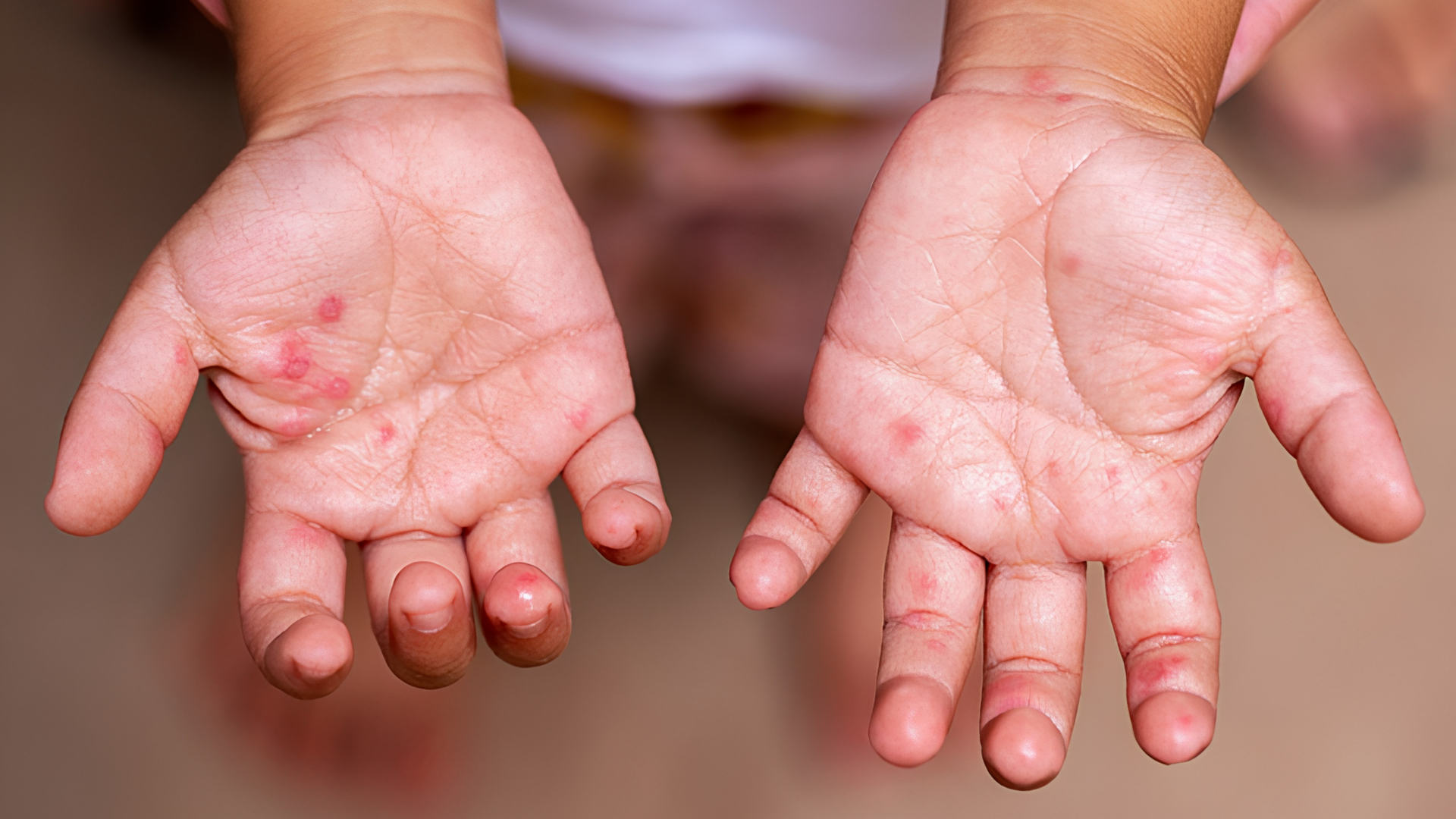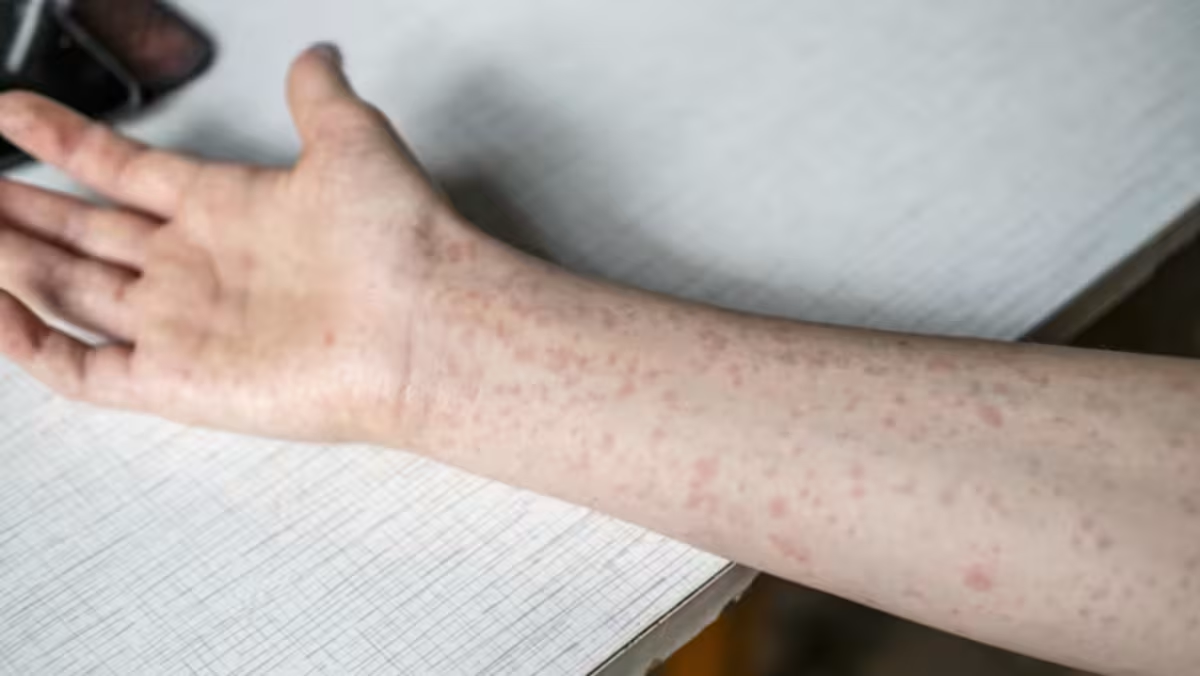
SINGAPORE, March 31 — Singapore will strengthen its public health measures to address a rise in measles cases from April 1, 2026, authorities said Tuesday, as the city‑state reported 12 new infections in recent weeks. The total number of confirmed cases so far this year stands at 23, compared with 27 for all of 2025.
The Communicable Diseases Agency (CDA) announced the updated measures following an assessment of cases reported between Feb. 1 and March 24. Six of the new cases involved individuals who had recently travelled overseas, and 11 of the 12 were not fully vaccinated against measles, mumps and rubella (MMR). Two of those were infants under 12 months, too young to be eligible for the vaccine.

Although authorities say there is no evidence of widespread community transmission, ongoing epidemiological investigations are underway. “While we may occasionally detect small clusters with limited spread given the global rise in measles cases, the risk of large outbreaks remains low due to high vaccination coverage and herd immunity,” the CDA said in a statement.
Under the revised health protocols effective April 1, Singapore will continue mandatory testing for all suspected measles cases, along with isolation of confirmed cases until they are no longer infectious. Individuals in high‑risk settings—such as childcare centres and healthcare facilities—will not be allowed to return to school or work until they test negative for measles.
Contact tracing will remain a key tool in controlling transmission. Close contacts who are unvaccinated or lack evidence of immunity will be offered post‑exposure prophylaxis (PEP) to reduce the risk of infection instead of compulsory quarantine. In certain high‑risk environments, additional precautions include a leave of absence from childcare centres and redeployment to non‑patient facing roles in healthcare facilities for up to 21 days from the last known exposure.
Measles is highly contagious, typically spreading before and after rash onset, and vaccination is considered the most effective preventive measure. The CDA reiterated that the MMR vaccine is highly effective and safe, providing long‑term immunity when the full recommended doses are completed. High vaccination coverage not only protects individuals but also strengthens herd immunity across the population.
Parents are urged to ensure their children receive the first two doses of the MMR vaccine on schedule—recommended at 12 months and 15 months as part of Singapore’s National Childhood Immunisation Schedule. Adults without complete vaccination or evidence of past infection are also advised to consult healthcare providers about receiving the MMR vaccine.
In addition to vaccinations, the CDA advises residents to adopt preventive practices such as frequent handwashing with soap, using alcohol‑based sanitiser when soap and water are unavailable, and staying home when unwell. Travellers, particularly those with young children, are encouraged to verify their measles immunity at least four to six weeks before travel and complete appropriate vaccinations to reduce infection risks abroad.
The agency will continue to monitor the measles situation in Singapore and adjust public health measures as needed in response to emerging data and global trends.