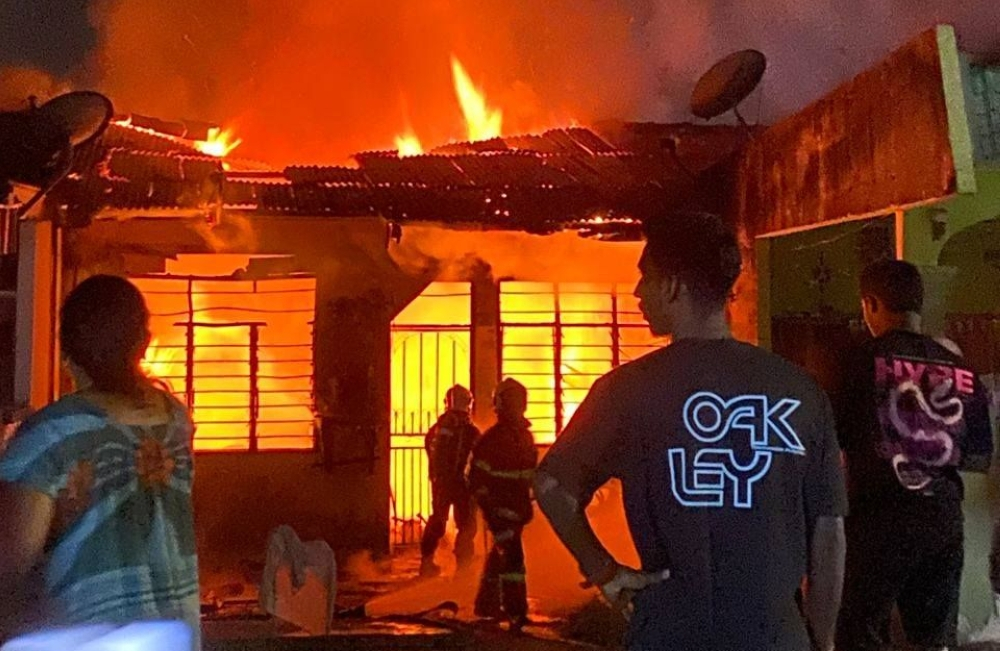
NILAI, April 4 — A paralysed woman tragically died after being trapped inside her house in Nilai, Negeri Sembilan, even as neighbours reportedly heard her screams for help but were unable to assist in time.
The incident occurred at a residential area in Nilai, where the victim — identified as a middle‑aged woman with limited mobility — lived alone. According to neighbours, they heard her calls for help earlier in the day and attempted to intervene, but were unable to access the home due to structural barriers and lack of immediate assistance.

Police and emergency services were called to the scene after neighbours raised the alarm. Upon arrival, rescue personnel found the woman unresponsive inside the home. Despite efforts to provide medical assistance, she was pronounced dead at the scene.
The victim was believed to be paralysed and dependent on assistance for basic movement and daily care. Neighbour accounts suggest she may have fallen or become stuck in a location within the house where she was unable to free herself. Attempts to break into the home and reach her were delayed due to security gates and locked doors, complicating immediate help.
Local residents expressed shock and sorrow over the incident, describing the scene as tragic and distressing. “We heard her cries, but we couldn’t reach her in time,” one neighbour said. “It’s heartbreaking that she suffered alone like that.”
Police confirmed that there were no signs of foul play at the scene, and authorities are continuing investigations to determine the exact circumstances that led to the woman’s death. The case has been classified as a domestic accident pending further inquiry.
Community leaders and welfare advocates have also highlighted the tragedy as a reminder of the vulnerabilities faced by individuals with disabilities living alone. There have been growing calls from residents and social workers to improve community support networks, emergency alert systems, and welfare outreach programmes to assist people with limited mobility or chronic health conditions.
It is not yet clear how long the victim was trapped before residents heard her calls for help. Neighbourhood volunteers noted that had there been easier access or faster emergency response, the outcome might have been different.
The Nilai local authority has said they will review the incident with a focus on identifying ways to improve support services for residents with special needs. This includes examining systems that could allow neighbours to contact emergency services more swiftly and protocols to ensure vulnerable individuals have regular check‑ins.
News of the woman’s death has sparked conversation on social media, with many expressing condolences and emphasising the need for stronger community care. Several users highlighted the importance of neighbours looking out for vulnerable members of the community, especially those living alone.
The tragic incident serves as a stark reminder of the risks faced by people with limited physical mobility and the critical need for accessible emergency processes that can save lives.