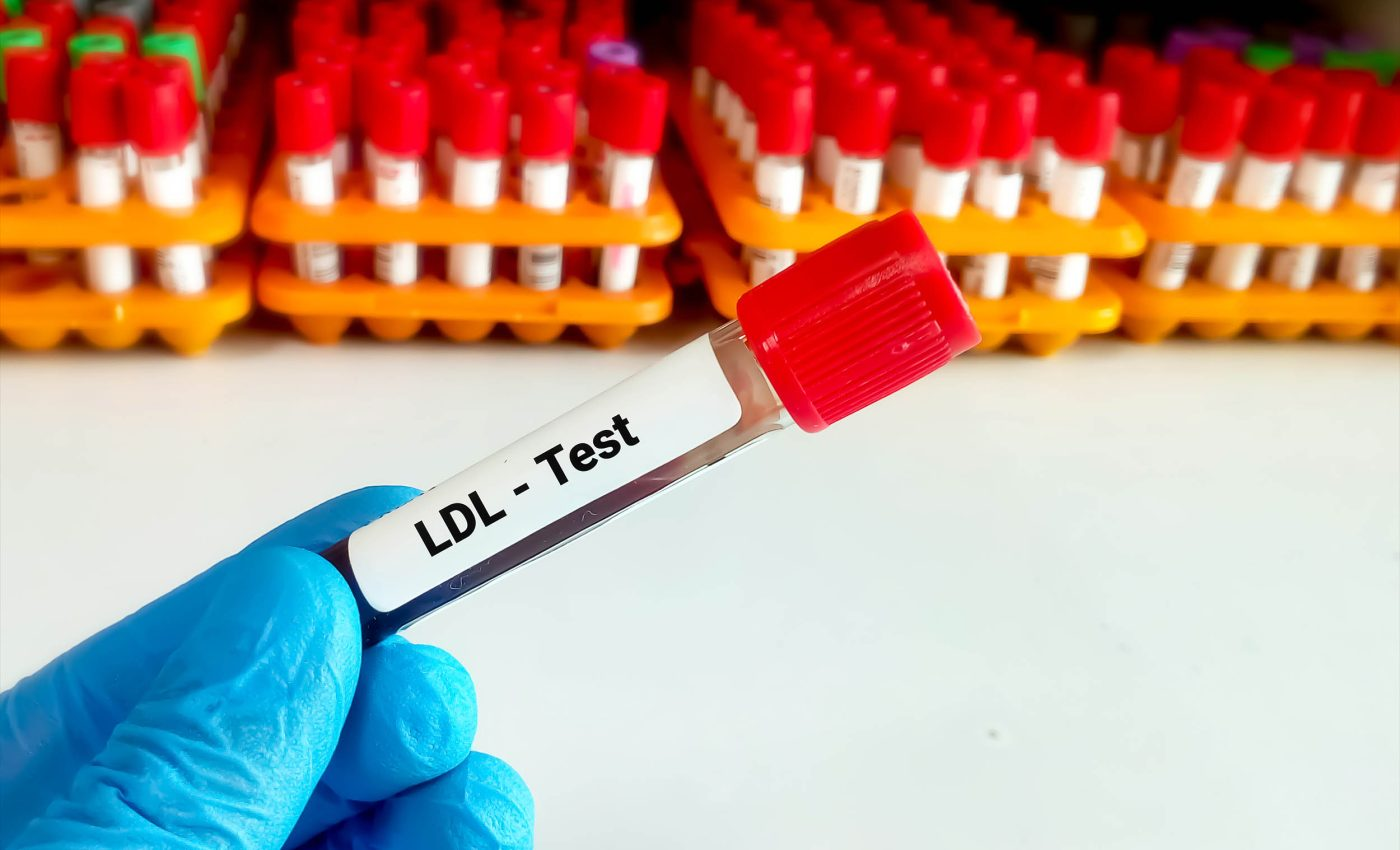
KUALA LUMPUR, April 2026 — In a significant shift in cardiovascular medicine, doctors and health experts have revised LDL cholesterol targets, lowering the recommended levels of “bad cholesterol” in an effort to better protect long-term heart health and prevent life-threatening conditions earlier than before.
The update marks a major evolution in how physicians approach heart disease prevention, moving away from a reactive model of treatment toward a more proactive, prevention-first strategy.

For decades, LDL cholesterol has been known as one of the most important risk factors in cardiovascular disease. Often called “bad cholesterol,” LDL slowly builds up in the walls of arteries, forming plaque that can restrict blood flow to the heart and brain.
Doctors warn that the process is usually silent, developing over many years without obvious symptoms until a serious event such as a heart attack or stroke occurs.
Because of this hidden nature, experts say early detection and tighter control are now more important than ever.
Doctors now recommend:
- Lower levels for individuals with higher cardiovascular risk
- More aggressive reduction for patients with existing heart disease
- Earlier intervention even before symptoms appear
This change reflects growing scientific agreement that “lower is better” when it comes to LDL cholesterol.
The shift in recommendations is based on years of clinical research showing that even modest reductions in LDL cholesterol can significantly reduce the risk of heart-related events.
Experts explain that:
- LDL cholesterol directly contributes to artery blockage
- Lower levels reduce inflammation in blood vessels
- Long-term exposure to high LDL increases lifetime risk
Medical studies continue to show that patients who maintain lower LDL levels experience fewer cardiovascular complications over time.
One of the most important aspects of the updated guidelines is the change in mindset from treatment to prevention.
Instead of waiting for high-risk conditions to develop, doctors are now encouraged to:
- Screen cholesterol levels earlier in life
- Assess overall cardiovascular risk more frequently
- Start treatment sooner when necessary
- Focus on long-term heart protection
This proactive approach aims to reduce the number of first-time heart attacks and strokes worldwide.
In many cases, patients discover high LDL cholesterol during routine health screenings.
What used to be considered a “borderline issue” is now treated more seriously. A patient in their 30s or 40s with moderately elevated cholesterol may now receive:
- Lifestyle intervention plans
- Dietary adjustments
- Increased physical activity recommendations
- In some cases, early medication
Doctors emphasize that early action can dramatically change long-term outcomes.
Despite medical advances and updated targets, experts stress that lifestyle remains the most powerful tool for controlling cholesterol.
Key recommendations include:
- Eating a diet low in saturated and trans fats
- Increasing intake of fiber-rich foods
- Regular physical activity
- Maintaining healthy body weight
- Avoiding smoking and excessive alcohol consumption
These habits not only reduce LDL cholesterol but also improve overall cardiovascular health.
The new guidelines also highlight a more personalized approach to treatment.
Instead of a one-size-fits-all number, LDL targets now depend on:
- Age and gender
- Family history of heart disease
- Existing medical conditions
- Overall cardiovascular risk score
This allows doctors to tailor treatment plans more precisely to each individual patient.
Cardiologists continue to stress that heart disease develops slowly over time, and prevention must start early.
The key message remains simple but powerful:
Lower LDL cholesterol equals lower risk of heart disease.
Health professionals believe that with earlier intervention and stricter control, millions of cardiovascular events could be prevented globally.
The updated LDL cholesterol guidelines represent a major turning point in modern medicine, reflecting a stronger focus on prevention, early detection, and personalized care.
As research continues to evolve, the message from experts is clear: protecting heart health starts long before symptoms appear, and keeping LDL cholesterol low is one of the most effective ways to do it.