KUALA LUMPUR,MAY,2026 – The World Health Organization has maintained its assessment that the global public health risk from the hantavirus outbreak remains low, even as health authorities continue monitoring exposed passengers and crew linked to the outbreak.
WHO previously said the cluster involved severe respiratory illness among passengers aboard the MV Hondius cruise ship, with cases reported to the agency from several countries. As of its May 13 update, WHO had reported 11 cases, including three deaths, with eight laboratory-confirmed Andes virus infections, two probable cases and one inconclusive case at the time.

However, Reuters later reported that WHO revised its case count to 10 from 11 after an inconclusive United States case tested negative. As of May 15, Reuters said WHO had reported 10 cases, including eight confirmed cases, two probable cases and three deaths. A possible additional Canadian case was also awaiting official WHO update.
Despite the fatalities, WHO said the overall risk to the global population remains low. The agency added that the situation is not comparable to Covid-19 and does not constitute a pandemic threat.
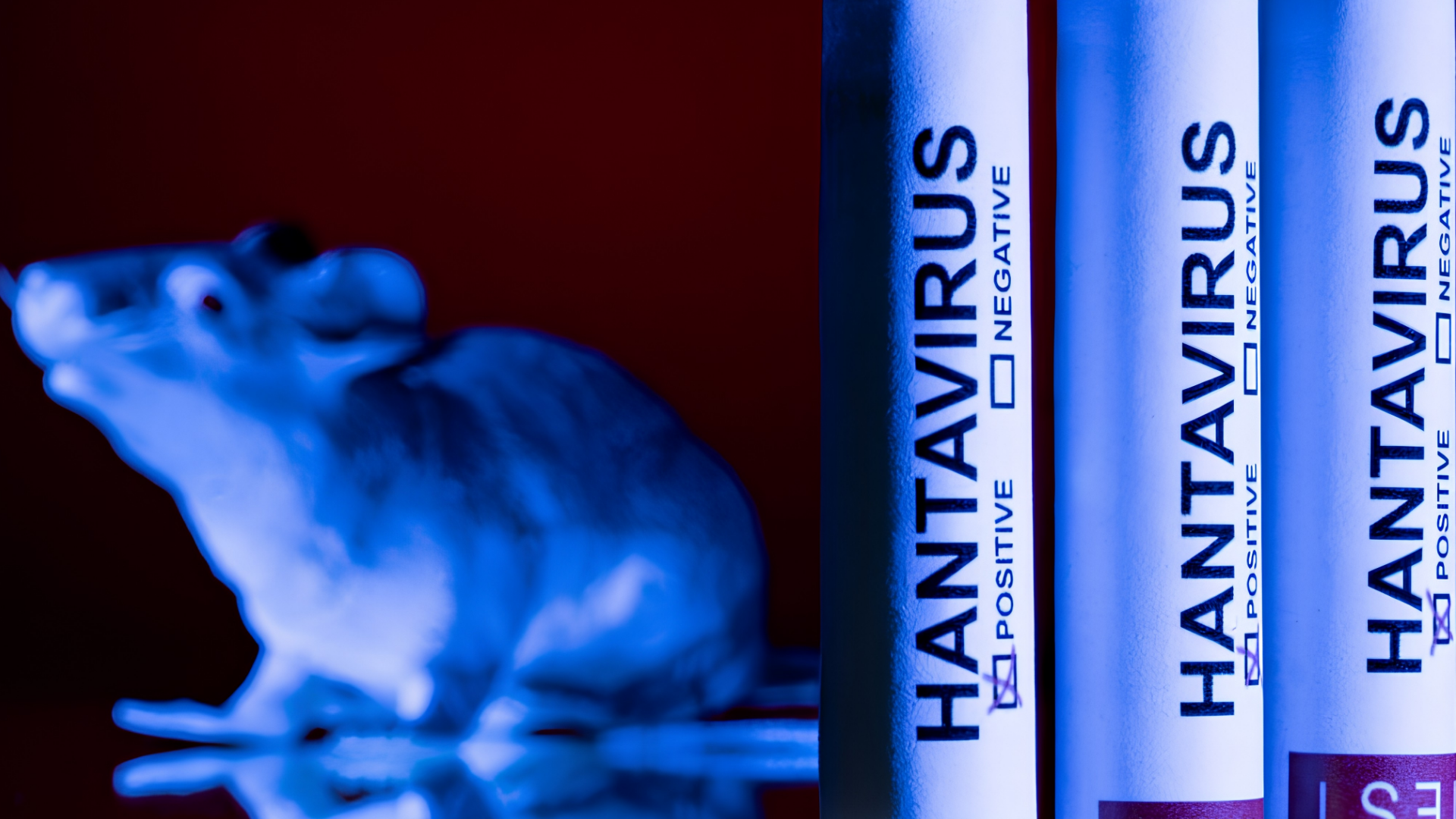
The outbreak involves the Andes virus, a type of hantavirus associated with hantavirus cardiopulmonary syndrome. WHO said hantaviruses are generally acquired through contact with urine, faeces or saliva of infected rodents, or by touching contaminated surfaces.
Unlike most hantaviruses, Andes virus has been associated with limited human-to-human transmission. WHO said such transmission is uncommon but has been reported in settings involving close and prolonged contact.
According to WHO, the ship environment likely increased transmission risk because passengers and crew were in close living quarters, shared indoor spaces and had frequent interpersonal interactions over a prolonged period.
The agency said additional cases may still occur among people who were exposed before containment measures were introduced. However, quarantine for those who left the ship, rapid isolation of suspected cases and contact monitoring are expected to limit further spread.
Health authorities in several countries are continuing contact tracing and monitoring. WHO said contacts linked to the cruise ship are being followed up, including passengers who disembarked in Saint Helena, Cabo Verde and Spain, as well as travellers on flights who may have been exposed to later-confirmed cases.
The Associated Press reported that Canada’s national health agency confirmed one positive hantavirus case among four Canadian passengers who returned from the affected cruise. The agency said all confirmed cases so far had been passengers or crew from the ship and that the overall risk to the general population in Canada remains low.
WHO recommends active monitoring and home or facility quarantine for high-risk contacts for 42 days after their last exposure. Low-risk contacts are advised to self-monitor and seek medical evaluation if sympto
Symptoms of hantavirus cardiopulmonary syndrome may include fever, chills, dizziness, headache, muscle pain, nausea, vomiting, diarrhoea and abdominal pain, followed by sudden respiratory distress and low blood pressure. WHO said symptoms usually appear between one and six weeks after exposure, but may occur as early as one week or as late as eight weeks.
There is currently no specific approved antiviral treatment or licensed vaccine for hantavirus pulmonary syndrome. WHO said suspected cases require prompt transfer to an emergency department or intensive care unit for close monitoring and supportive care.
For the general public, the key message remains that the risk is low unless a person was exposed on the affected ship or had close contact with a confirmed case. WHO said transmission can be effectively limited through early detection, isolation and contact tracing.
The outbreak has nevertheless raised global attention because of the rare possibility of human-to-human transmission involving the Andes virus. Public health authorities are continuing investigations to identify the original source of exposure, with WHO saying the first case may have acquired infection before boarding through exposure on land.
WHO’s latest position is clear: the hantavirus outbreak remains serious for those directly exposed, but the broader global public health risk is still considered low as monitoring, quarantine and infection control measures continue.