KUALA LUMPUR,MAY,2026 – Major shipping companies are increasingly turning to trucking and alternative land routes as the Strait of Hormuz blockade continues to disrupt Gulf trade and push freight charges above pandemic-era levels.
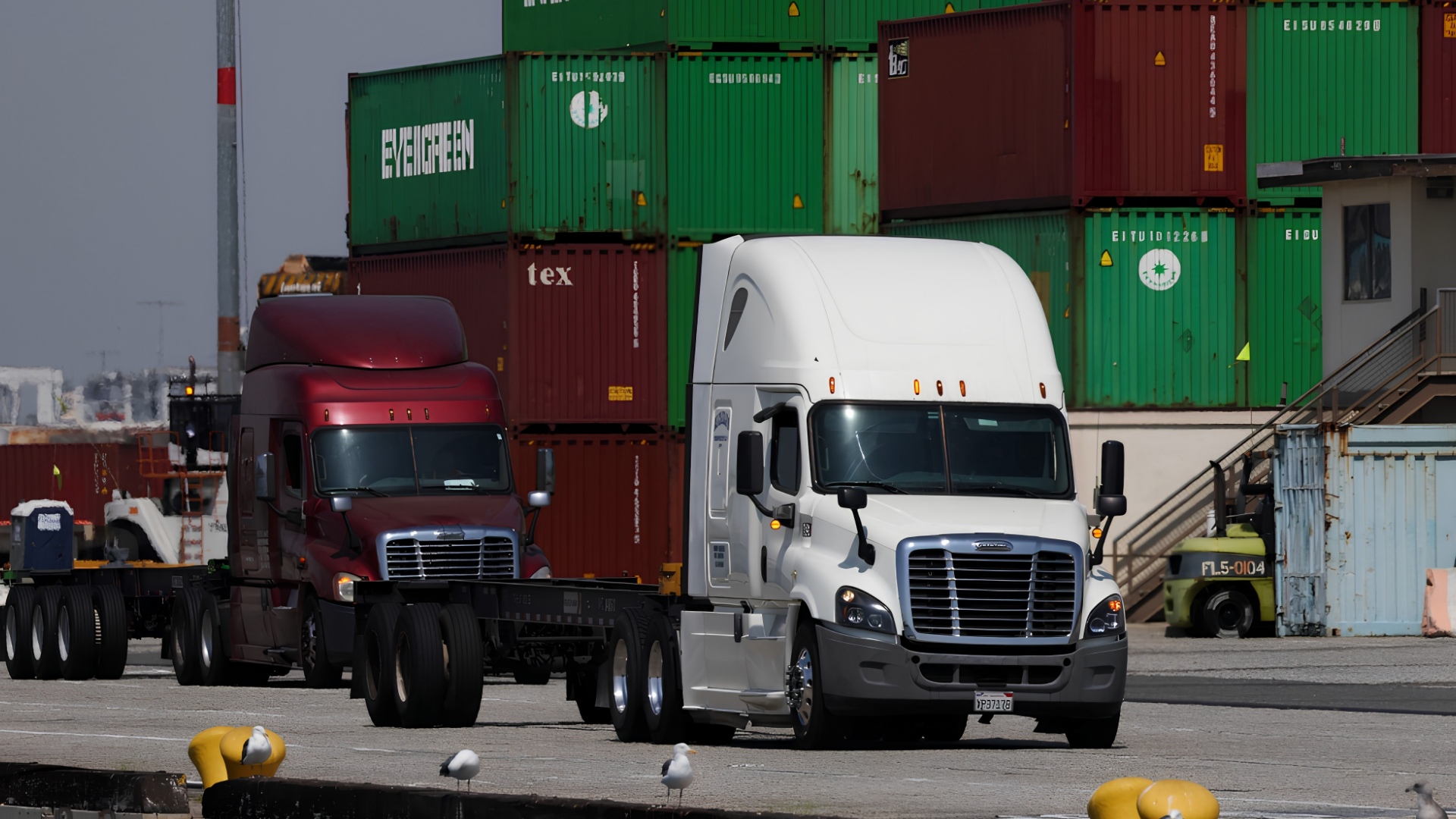
The disruption has forced global carriers to rethink how goods are moved across the Gulf region, especially as regular sea routes remain heavily restricted. According to reports cited by Malay Mail, shipping giants are using trucks to transport cargo inland after the blockade caused freight rates on key Gulf routes to surge sharply.

The Financial Times reported that major shipping lines including Maersk, MSC, CMA CGM and Hapag-Lloyd have rerouted shipments through Red Sea and Gulf of Oman ports before using trucks to move goods overland. The shift has become necessary as maritime access through the Strait of Hormuz remains severely disrupted.
The impact on freight costs has been dramatic. Container rates from Shanghai to the Gulf reportedly climbed from about US$980 to US$4,131 per TEU, surpassing even levels seen during the Covid-19 pandemic supply chain crisis.
The Strait of Hormuz is one of the world’s most important maritime chokepoints, particularly for oil, gas and goods moving between Asia, the Gulf and global markets. Reuters previously reported that the blockade has added major uncertainty to shipping activity, with vessels entering or leaving the affected area exposed to interception, diversion or capture if they do not have authorisation.
The disruption has created severe delays for shipping companies, manufacturers and commodity traders. The Financial Times reported that some cargo routes are now facing delays of up to 60 days, while port congestion has worsened as vessels are redirected away from blocked or high-risk areas.
Only a limited number of ships are now passing through the Strait daily compared with normal traffic levels. The Financial Times reported that the number of daily ship passages has fallen sharply from around 135 vessels before the conflict to only a few ships a day.
The trucking shift has become an emergency solution, but it is not able to fully replace maritime capacity. Large shipments such as fertilizer, grain, fuel and industrial goods are harder to move by road because of volume, border procedures, limited truck availability and higher costs.
The disruption is also affecting humanitarian and food supply chains. The Financial Times reported that food aid and essential goods have faced major delays, with some shipments being rerouted through longer land and sea routes that can take more than 60 days.
UN Trade and Development has warned that disruptions in the Strait of Hormuz can create wider ripple effects beyond the region, affecting energy markets, maritime transport and global supply chains. It said higher energy, fertilizer and transport costs — including freight rates, bunker fuel prices and insurance premiums — could increase food costs and intensify cost-of-living pressures.
For companies, the crisis means higher logistics costs, longer delivery times and more uncertainty in supply planning. Retailers, manufacturers and commodity buyers may need to absorb the additional cost or pass it on to customers, depending on contract terms and market conditions.
Insurance costs are also becoming a concern. When shipping lanes become unstable, insurers usually raise premiums for vessels entering risky waters. That adds another layer of cost on top of fuel, rerouting, port congestion and trucking expenses.
The pressure is particularly serious for businesses that depend on just-in-time delivery or large-scale movement of goods through the Gulf. Any extended disruption could force companies to hold more inventory, delay production or seek alternative suppliers outside the affected region.
The situation also shows how vulnerable global trade remains to geopolitical shocks. A disruption at one maritime chokepoint can quickly affect shipping rates, food supplies, energy costs and consumer prices in multiple regions.
For now, trucking has become a practical workaround for shipping firms trying to keep cargo moving. However, the higher costs and slower delivery times show that land routes are only a temporary substitute, not a full replacement for normal maritime traffic through the Strait of Hormuz.
If the blockade continues, freight rates could remain elevated and supply chain pressure may spread further across Asia, the Middle East, Europe and Africa. The longer the disruption lasts, the greater the risk that higher shipping costs will feed into inflation, food prices and business operating expenses worldwide.