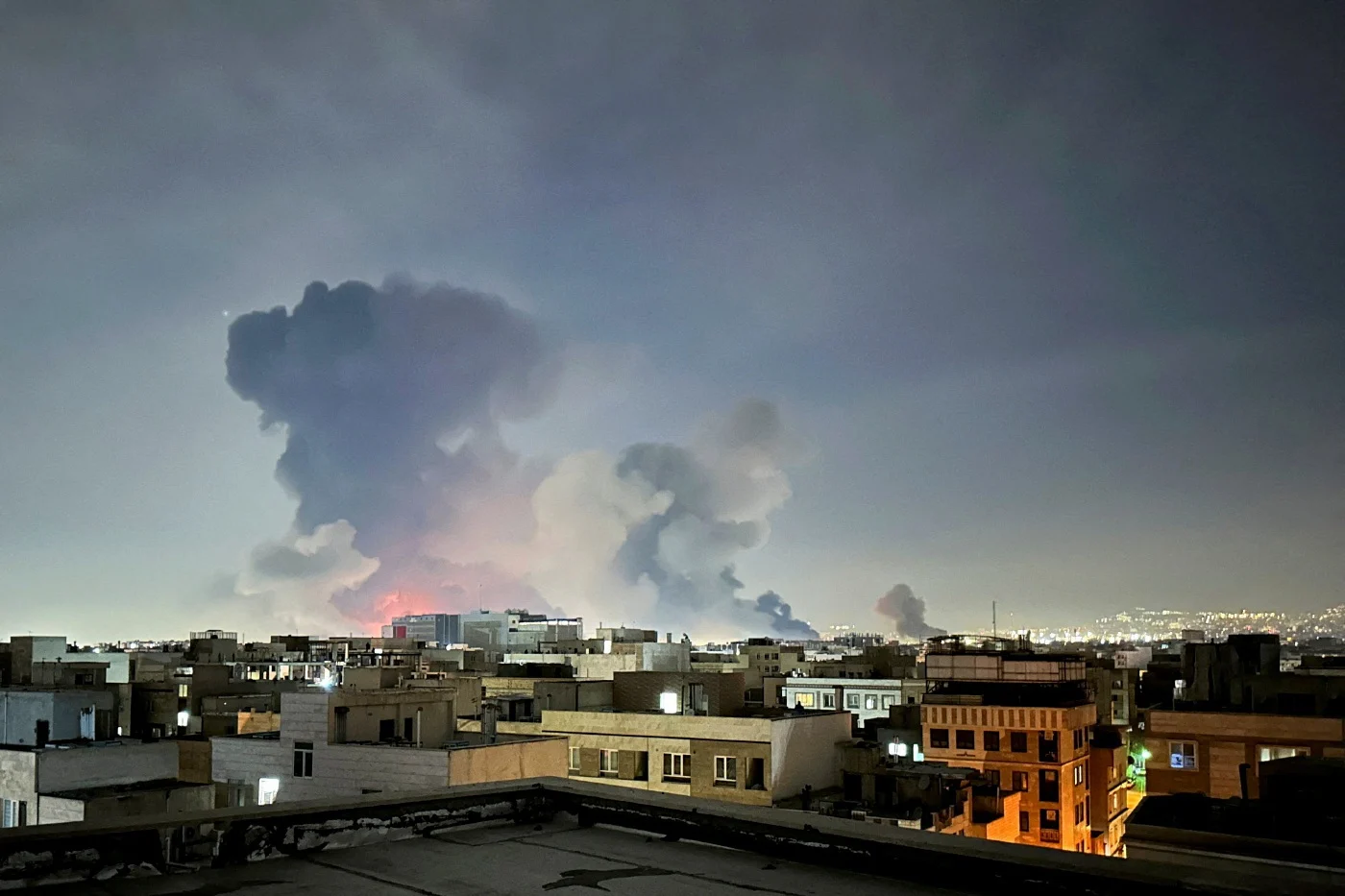
Kuala Lumpur – The conflict in West Asia (Middle East) continues to escalate. Tensions between Iran, Israel, the US, and their allies are disrupting the Strait of Hormuz — a critical global oil route. As a net energy importer and tourism-dependent nation, Malaysia is already feeling the direct impact. Oil prices are rising, flight routes are affected, and the Visit Malaysia 2026 campaign has been extended to 2027.
Is the Anwar administration acting fast enough to manage these threats, or are we still overly reliant on hoping the conflict simply dies down?

The Harsh Reality for Malaysia
- Energy security at risk: The government has admitted that current energy stocks will only last until the end of May. Beyond that, supply disruptions could hit industries and raise the cost of living.
- Tourism hit hard: Arrivals from West Asia are projected to drop by 11-27%. Airfares are increasing due to longer alternative routes and higher fuel costs.
- Economic growth threatened: Although Bank Negara slightly raised its 2026 growth forecast, the risks of inflation and trade disruptions remain high.
Malaysia has consistently condemned violence and called for peace. However, principles alone are not enough. We need a pragmatic strategy to protect national interests.
Geopolitical Challenges
This conflict is not a distant issue in the Gulf. It highlights how fragile global supply chains have become. China and ASEAN countries are also concerned. With threats from Trump and Iran’s responses in the Strait of Hormuz, uncertainty looms large. For Malaysia, this is a test of whether our “independent and active” foreign policy remains relevant in an increasingly polarised world.
We cannot afford to be mere spectators. As a moderate Muslim nation and ASEAN member, Malaysia has a role to play in promoting peace talks, but our top priority must be safeguarding the economy and the people’s well-being.
Practical Recommendations
- Accelerate energy diversification — fast-track solar, hydro, and alternative LNG projects.
- Increase strategic oil reserves and secure long-term contracts with non-Middle East suppliers.
- Promote domestic tourism and attract more visitors from East Asia, Europe, and Australia to offset losses from West Asia.
- Turn crisis into opportunity: Position Malaysia as a logistics hub or halal food supplier to affected countries.
- Strengthen ASEAN cooperation on energy security and maritime safety.
Conclusion: The Middle East conflict is a stark reminder that the world is deeply interconnected. Malaysia cannot rely solely on luck or principles. The government must demonstrate firm leadership — protecting citizens from oil price shocks and economic disruptions while remaining vocal on international justice.
If the conflict drags on, ordinary Malaysians will pay the highest price. It is time for us to move from merely “coping” to truly “adapting and advancing” amid global crises.