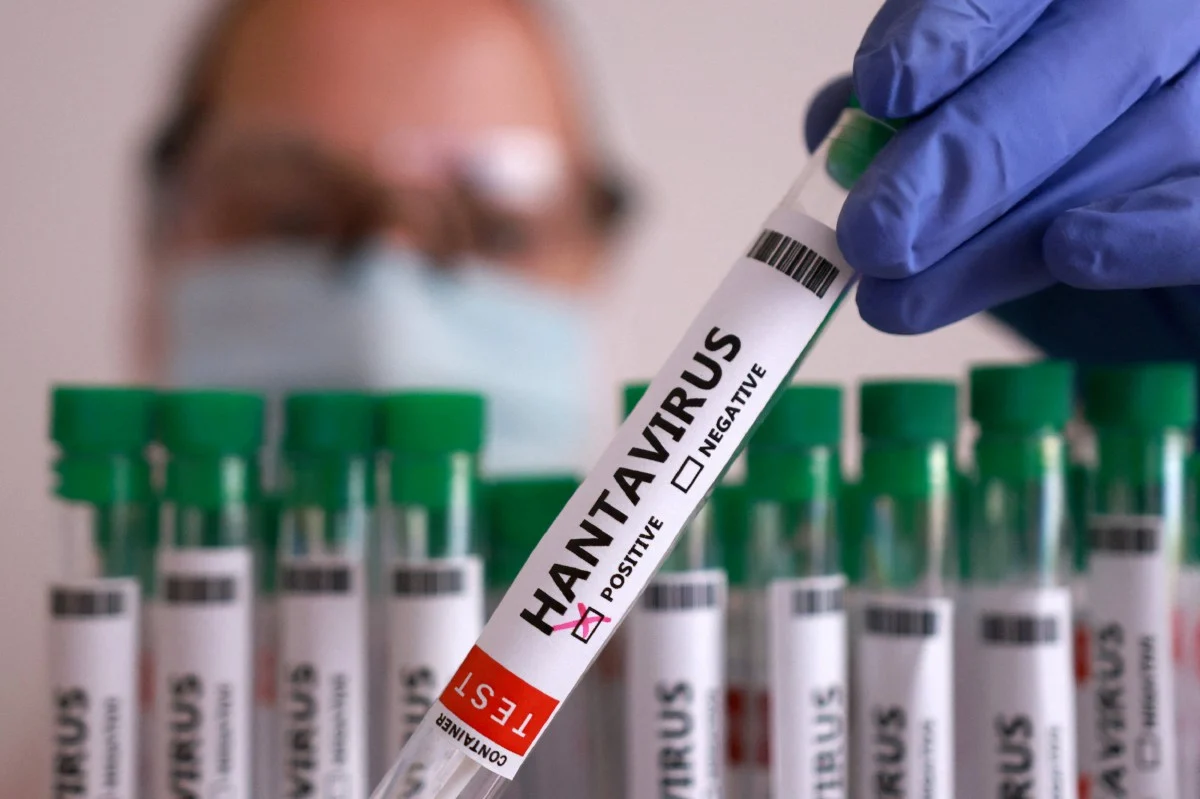
KUALA LUMPUR,MAY,2026 – European health authorities are working closely with international partners after a hantavirus outbreak was linked to passengers aboard a cruise ship that travelled across multiple regions, raising concerns over cross-border disease transmission in modern travel networks.
The outbreak, which has already resulted in confirmed infections and reported fatalities, has triggered one of the most complex passenger-tracking operations in recent years, involving health agencies in Europe, South America, Africa, and Asia.

Officials from the European Centre for Disease Prevention and Control (ECDC) and the World Health Organization (WHO) have confirmed they are coordinating a global response to trace exposed passengers and contain any further spread.
Multiple Cases and Deaths Reported Across Countries
Health monitoring agencies have confirmed that several individuals have tested positive for hantavirus after exposure linked to the cruise ship environment.
Current reports indicate:
- Multiple confirmed infections across different countries
- Several suspected cases still under investigation
- At least a small number of fatalities linked to the outbreak cluster
The specific strain involved is believed to be related to the Andes hantavirus, a rare variant known in parts of South America that can, in certain conditions, spread between humans through close contact.
Authorities are still verifying whether all cases are directly connected or involve secondary transmission following disembarkation.
International Passenger Tracking Operation Underway
Because cruise ship passengers originate from multiple countries, health authorities are now conducting large-scale international contact tracing efforts.
Passengers who were onboard reportedly disembarked at several ports before the outbreak was confirmed, making tracking significantly more complex.
Authorities are currently:
- Identifying all passengers and crew members
- Tracking flight and travel routes after disembarkation
- Conducting medical screening in multiple countries
- Monitoring symptoms during incubation periods
- Issuing targeted health alerts to exposed individuals
WHO officials have stated that global cooperation is essential due to the highly mobile nature of cruise travel, where a single vessel can connect multiple continents within days.
Cruise Ship Under Scrutiny Over Infection Control
The cruise vessel involved has come under close scrutiny as investigators examine how the virus may have been introduced and transmitted onboard.
Early findings suggest that exposure may have occurred during stops in remote or high-risk regions where rodent contact is more common. However, authorities have not ruled out other possible contamination pathways.
The ship has since undergone:
- Quarantine measures in certain ports
- Medical evacuation of severely ill passengers
- Onboard sanitation and disinfection procedures
- Restricted docking approvals in multiple locations
Medical teams in protective equipment were deployed during emergency interventions to manage infected passengers and prevent further spread.
Health Experts: Risk to Public Still Considered Low
Despite the international alarm, public health authorities including the WHO and ECDC have repeatedly emphasized that the overall risk to the general population remains low.
Hantavirus is primarily transmitted through contact with infected rodents or their droppings, and human-to-human transmission is considered rare and usually requires prolonged close contact.
However, experts caution that cruise ship environments can increase transmission risks due to:
- Enclosed living spaces
- High-density passenger interactions
- Shared facilities
- International passenger movement
Because of these factors, even a small outbreak can quickly trigger widespread monitoring efforts across multiple countries.
Investigation Focuses on Origin and Transmission Pathway
Epidemiologists are still working to determine the exact origin of the outbreak.
Key areas of investigation include:
- Port stops where initial exposure may have occurred
- Food storage and waste management systems onboard
- Rodent control measures in affected regions
- Passenger movement patterns during the voyage
- Environmental contamination sources
Laboratory analysis and genetic sequencing of virus samples are ongoing to determine whether cases stem from a single source or multiple exposure points.
Global Coordination to Prevent Secondary Spread
Health agencies across continents have activated coordinated response measures to prevent any secondary transmission among exposed passengers.
These measures include:
- Cross-border case reporting systems
- Quarantine recommendations for high-risk individuals
- Medical testing and symptom monitoring protocols
- Public health advisories for recent cruise passengers
- Rapid information sharing between national health ministries
Authorities are particularly focused on early detection, as hantavirus infections can take several days to weeks to develop symptoms after exposure.
Cruise Industry Faces Renewed Health Concerns
The outbreak has also raised renewed concerns about health safety standards within the global cruise industry.
Industry analysts say the incident may lead to:
- Stricter onboard health screening protocols
- Enhanced rodent and pest control measures
- Improved passenger health reporting systems
- Increased regulatory oversight of cruise routes in high-risk regions
Cruise operators are expected to review internal safety procedures as governments assess whether additional regulations are needed to prevent similar incidents.
While the hantavirus outbreak linked to the cruise ship remains geographically contained, the international response highlights how quickly infectious disease events can escalate in a globalized travel environment.
Health authorities continue to stress that the situation is under active control, but monitoring will remain ongoing due to the incubation period and widespread movement of passengers across countries.
For now, global health agencies remain on high alert, focusing on containment, surveillance, and preventing any potential secondary spread as investigations continue into the origin of the outbreak.