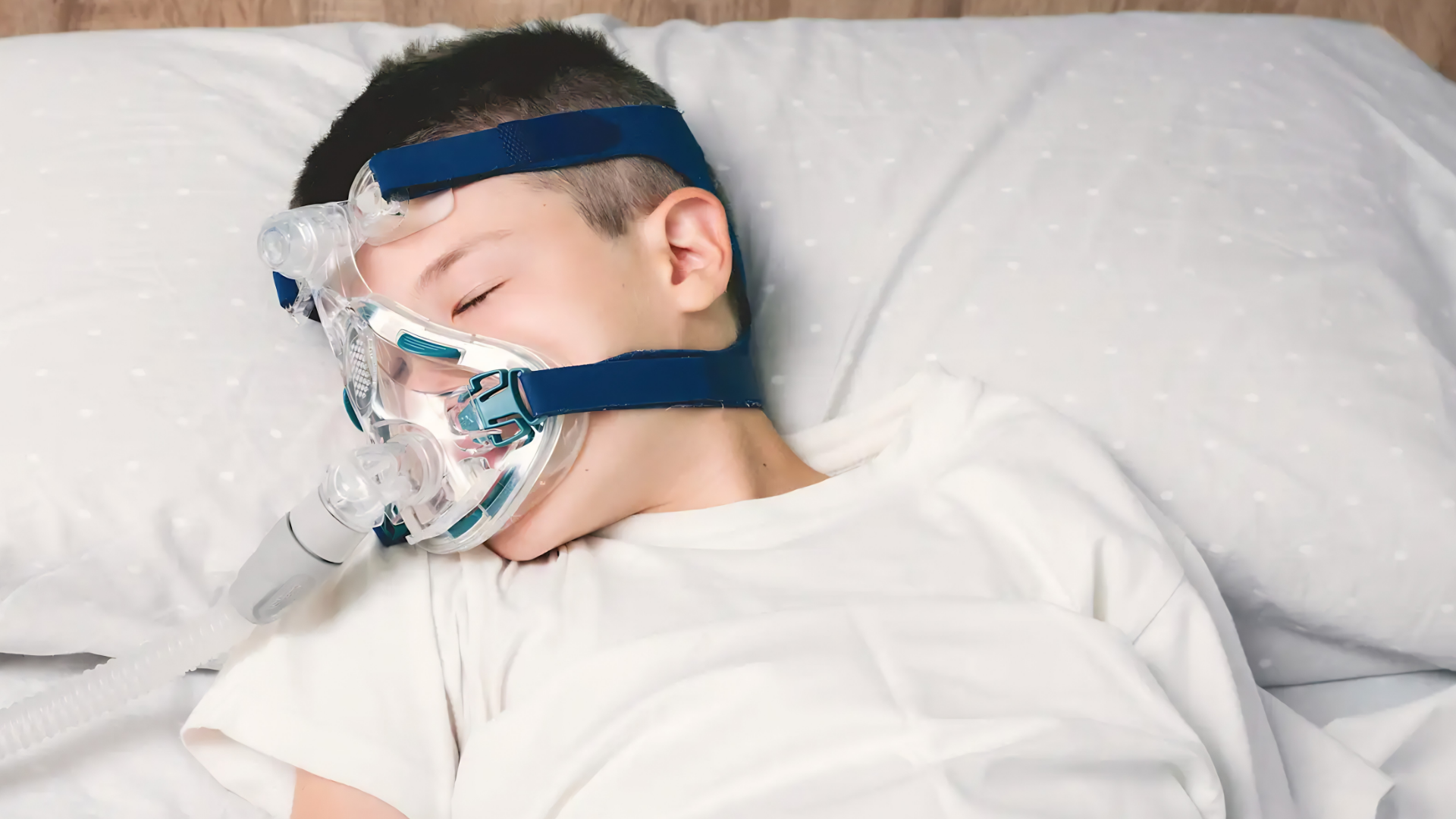
KUALA LUMPUR, May 2026 — Health specialists are advising parents not to dismiss snoring in children as harmless, as persistent cases may signal deeper medical conditions such as sleep-disordered breathing or obstructive sleep apnea (OSA) that could affect a child’s development and wellbeing.
While occasional snoring is common among children, doctors say frequent or loud snoring may indicate partial airway blockage during sleep, which can reduce oxygen levels and disrupt normal sleep cycles.

When Snoring Becomes a Health Concern
Experts explain that snoring in children typically occurs when airflow is partially blocked in the upper airway, causing vibrations during breathing. In many cases, this is temporary and linked to:
- Common colds or nasal congestion
- Seasonal allergies
- Sleeping position
- Enlarged tonsils or adenoids
However, medical professionals warn that persistent snoring occurring several nights a week over long periods may be a red flag for more serious conditions such as sleep apnea.
Doctors recommend parents pay attention if snoring is accompanied by symptoms such as:
- Pauses in breathing during sleep
- Restless or disturbed sleep
- Mouth breathing during the day
- Daytime fatigue or irritability
- Difficulty concentrating at school
Possible Impact on Growth and Learning
Health experts caution that untreated sleep-related breathing issues in children may have wider consequences beyond sleep quality.
Studies show that disrupted sleep and reduced oxygen intake can affect:
- Growth and development
- Brain function and learning ability
- Memory and attention span
- Behaviour and emotional regulation
In more severe cases, children may develop sleep apnea, a condition where breathing repeatedly stops and starts during sleep, leading to reduced oxygen supply to the body and brain.
Common Causes Identified by Specialists
Doctors say the most frequent causes of persistent snoring in children include:
- Enlarged tonsils and adenoids
- Allergic reactions affecting nasal passages
- Airway inflammation or infection
- Structural airway issues
Enlarged tonsils and adenoids remain one of the most common medical causes of chronic snoring in children, particularly in younger age groups.
Medical Advice for Parents
Health professionals are urging parents to seek medical evaluation if snoring becomes frequent or severe.
Early diagnosis may involve:
- Physical examination of airway and tonsils
- Sleep assessment or monitoring
- Referral to ENT or pediatric specialists
- In some cases, overnight sleep studies
Doctors stress that early detection can help prevent long-term complications related to growth, behaviour, and learning difficulties.
Awareness Key to Early Detection
Experts emphasize that while not all snoring is dangerous, persistent snoring should be treated as a warning sign rather than a normal habit.
Parents are encouraged to monitor sleep patterns closely and seek medical advice if symptoms persist, ensuring children receive timely treatment and better long-term health outcomes