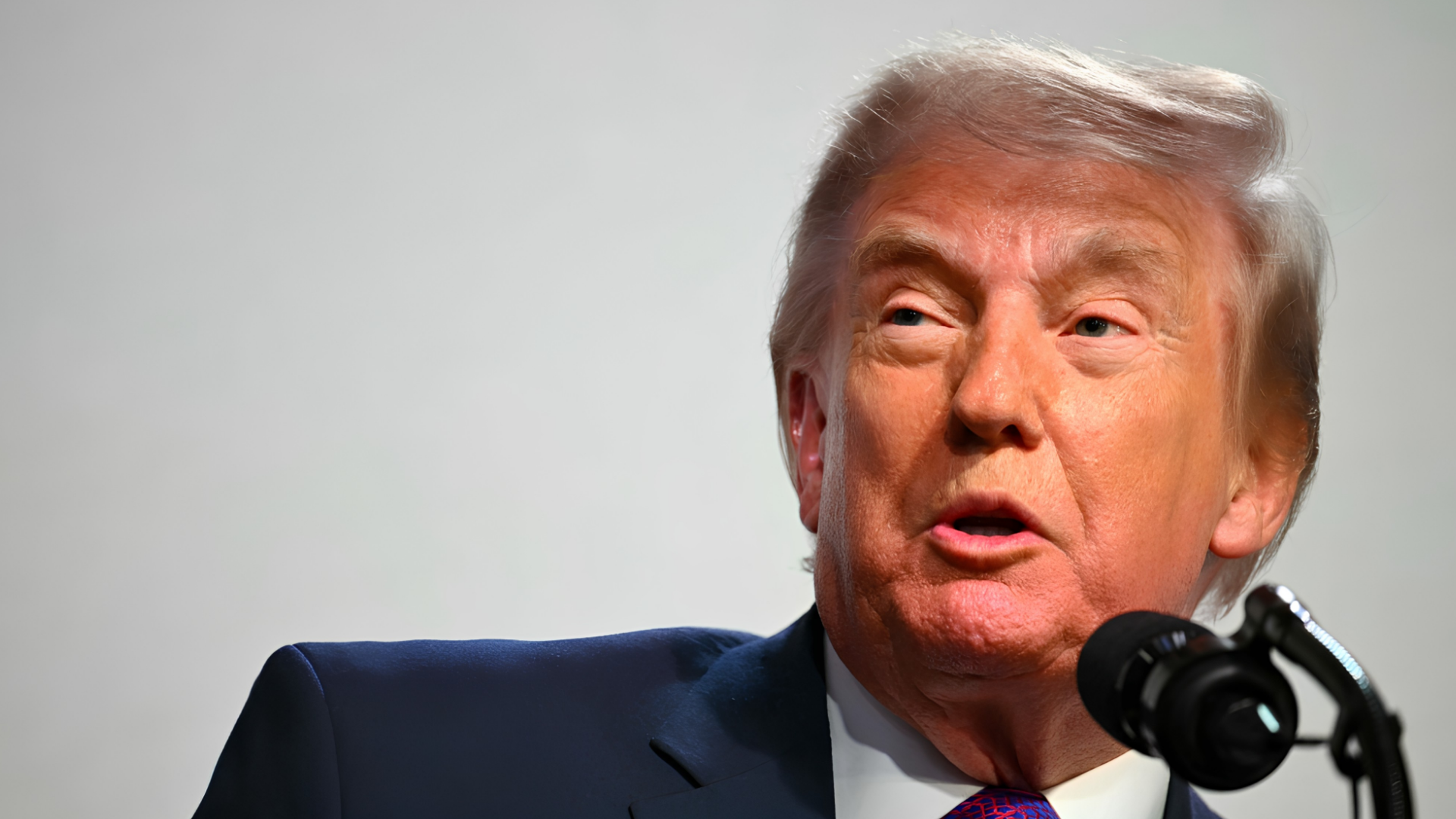
KUALA LUMPUR, May,2026 — US President Donald Trump has cancelled a planned major military strike on Iran, saying he decided to give diplomacy more time after key Gulf allies urged Washington to hold off on military action.
Trump said the United States had been preparing for a “very major attack” on Iran, but the operation was paused because “serious negotiations” were underway to end the war and avoid a wider regional conflict. He said the delay could last “for a little while” and expressed hope that it might become permanent if a deal can be reached.

The decision marks a significant shift in tone from Washington after weeks of rising tensions involving Iran, the United States, Israel and Gulf states. Trump had previously warned Tehran that time was running out to reach an agreement, but his latest move suggests the White House is still willing to give negotiations a final chance before returning to military action.
According to Trump, leaders from Qatar, Saudi Arabia and the United Arab Emirates asked him to delay the strike for two to three days, believing that talks with Iran were moving closer to a possible breakthrough. However, he also warned that the US military remains ready to launch a large-scale assault if negotiations fail.
The planned strike was reportedly scheduled for Tuesday and would have represented one of the most serious escalations in the current Iran crisis. Trump did not reveal the exact targets of the operation, but said US forces had been instructed to remain prepared to act “on a moment’s notice” if an acceptable agreement is not reached.
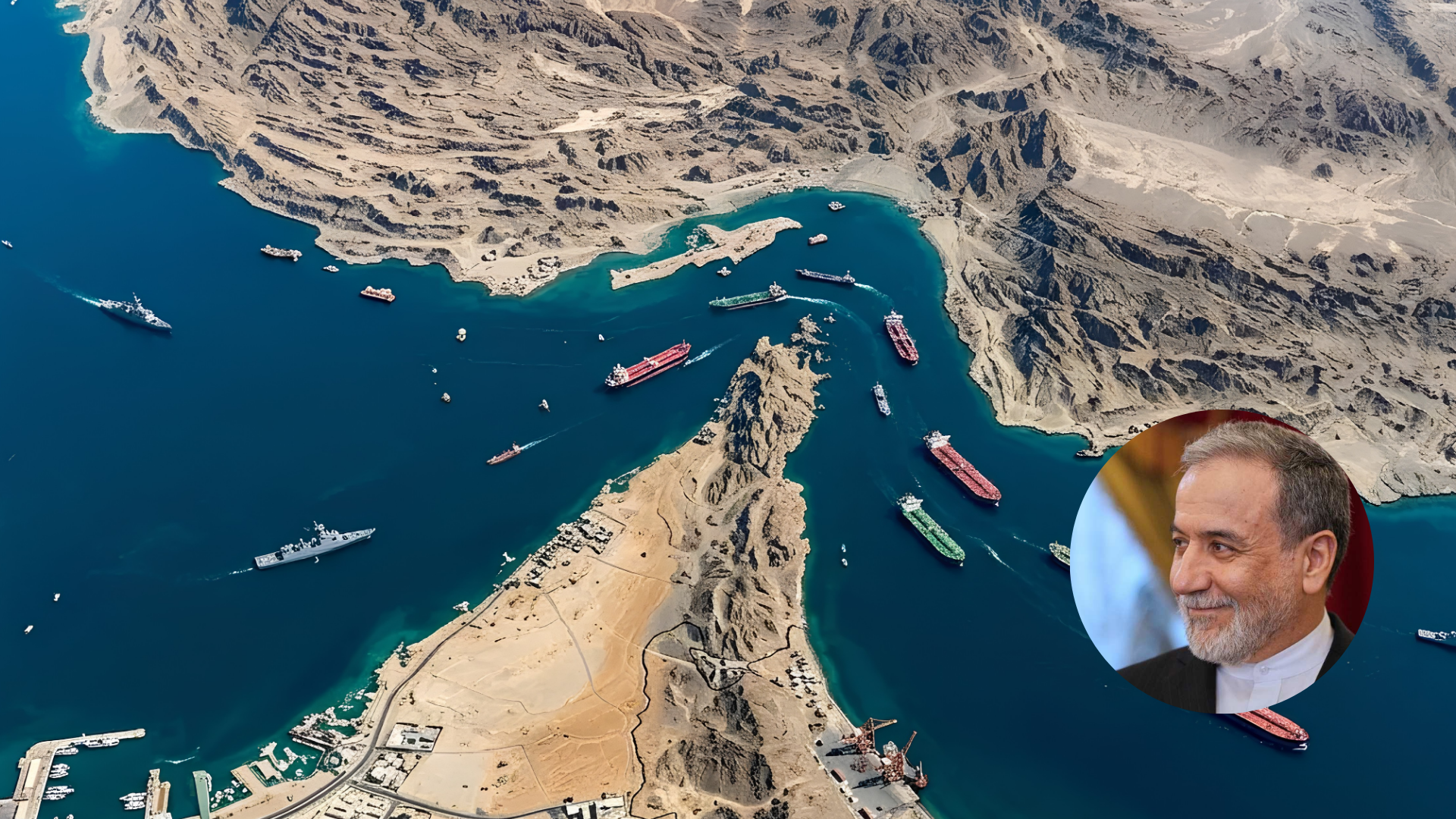
At the centre of the crisis is the Strait of Hormuz, one of the world’s most important maritime routes for oil and gas shipments. Iran has effectively kept the waterway closed, while the United States has maintained a blockade on Iranian ports. The standoff has disrupted global shipping, raised energy security concerns and increased pressure on oil prices.
Trump’s announcement immediately affected global oil markets. AP reported that petroleum futures had been trading at US$108.83 per barrel shortly before Trump’s statement, before falling by more than US$2 after news of the diplomatic pause emerged. Prices later ended Monday at US$107.25 per barrel.
The situation remains fragile. Iran and allied groups have been accused of launching drone and missile attacks targeting Gulf Arab states, while the UAE recently reported a drone strike that sparked a fire near the edge of its only nuclear power plant. Iran has denied or rejected several accusations, while Iranian state media described Trump’s decision to pause the attack as a “retreat.”
Despite the temporary pause, major obstacles remain. The United States continues to demand guarantees that Iran will not develop nuclear weapons, while Tehran insists that its nuclear programme is for peaceful purposes. Trump said there was a “very good chance” of reaching an agreement that could prevent Iran from obtaining a nuclear weapon, but he has also dismissed Iran’s latest proposal as insufficient.
Turkey’s Foreign Minister Hakan Fidan said the immediate priority in the negotiations is keeping the Strait of Hormuz open, although Iran’s nuclear programme remains a central issue. He said Iran may not be fully opposed to nuclear conditions, but the key question is what Tehran would receive in return and under what terms.
The latest development also places Gulf states in a crucial diplomatic role. Qatar, Saudi Arabia and the UAE appear to be pushing for a negotiated settlement, partly to prevent the conflict from spreading further across the region and damaging energy flows, trade routes and regional stability.
For Washington, the decision to cancel or delay the strike gives Trump more room to present himself as willing to use force while still leaving space for a diplomatic solution. However, critics may question whether repeated threats followed by delays could weaken US leverage, especially if Iran continues to keep pressure on the Strait of Hormuz.
For Iran, the pause creates an opportunity to return to the negotiating table without facing an immediate large-scale US attack. But Tehran also faces pressure to show that it is serious about a deal, particularly as the closure of Hormuz continues to affect global energy markets and regional security.
The next few days are expected to be critical. If talks progress, the suspended strike could become the start of a broader truce framework involving Hormuz, nuclear guarantees and regional security. If negotiations collapse, the United States has made clear that military action remains on the table.
For now, Trump’s decision has temporarily reduced the risk of immediate escalation, but the wider US-Iran standoff remains unresolved. The future of the Hormuz truce will depend on whether both sides can turn the current diplomatic opening into a concrete agreement.
US President Donald Trump has called off a planned massive strike on Iran after Gulf allies urged Washington to give peace talks more time. The decision comes as negotiations continue over the Strait of Hormuz crisis, Iran’s nuclear programme and rising fears of a wider Middle East conflict.