KUALA LUMPUR,June, 2026 – US President Donald Trump has issued a strong warning against Iran after a new exchange of attacks raised tensions in the Middle East and placed renewed pressure on efforts to maintain a ceasefire.
Trump said Iran would “no longer exist” if the United States is forced to resume full military action. His warning came after Washington accused Tehran of violating a ceasefire agreement and after US forces carried out fresh strikes on several Iranian targets.

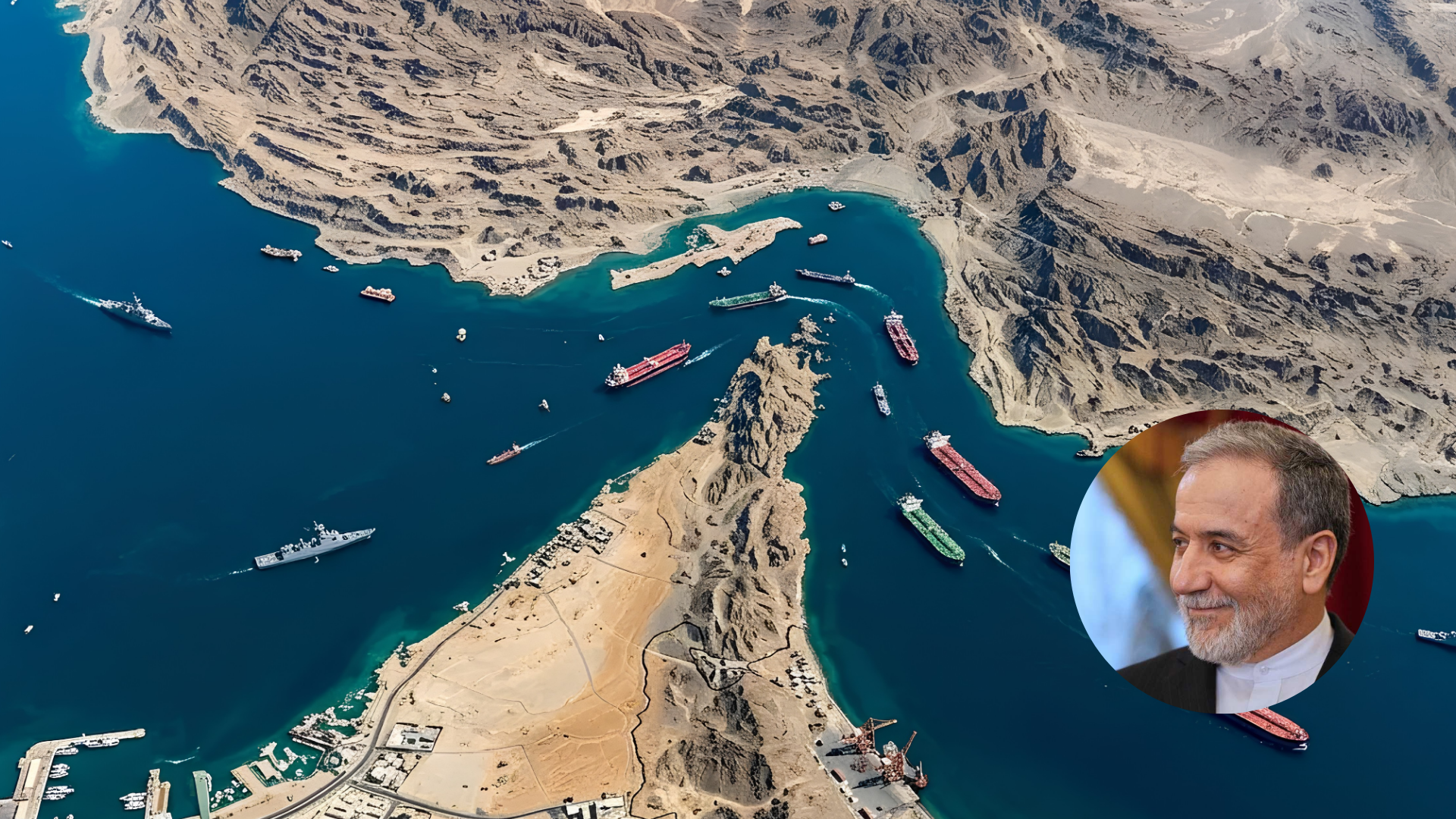
According to the report, US forces said they struck multiple Iranian targets in response to attacks on shipping in the Strait of Hormuz, one of the world’s most important maritime routes for oil and energy supplies. The latest incident has sparked concern that the conflict could expand further if both sides continue retaliatory military actions.
Trump said the United States had targeted Iranian missile and drone storage locations, coastal radar sites, and other military-related facilities. He accused Iran of violating the ceasefire agreement again and warned that Washington may reach a point where it is no longer able to act with restraint.
US Central Command said the strikes were carried out after an Iranian drone attack on the Panama-flagged oil tanker Kiku, which was reportedly carrying around two million barrels of crude oil. The US military said the response targeted surveillance infrastructure, communication systems, air defence sites, drone storage facilities, and minelayer capabilities.
Iranian media reported explosions in the Sirik and Qeshm areas of southern Iran following the US strikes. The latest developments came after the United States had also conducted earlier strikes on Friday, which it said were in response to another Iranian attack on a ship known as the Ever Lovely.
Iran, meanwhile, said it had hit US targets in the Gulf in retaliation. Bahrain also reported that it had been targeted by several Iranian drones and accused Tehran of undermining peace efforts in the region. Iran’s Revolutionary Guards warned that if aggression is repeated, its response would become broader.
The renewed military exchanges have increased pressure on diplomatic efforts aimed at ending the wider conflict involving the United States, Israel, Iran, Lebanon, and Hezbollah. The war, which was launched by the United States and Israel at the end of February, has continued to create instability across several fronts.
The Strait of Hormuz remains a major focus of concern. Iran has warned vessels not to enter or leave the Gulf through the strait without permission, while ships have continued to move through the area. Any prolonged disruption in the strait could affect global energy markets, as the route carries a significant share of the world’s oil and liquefied natural gas exports.
Despite the latest rise in tensions, oil prices have reportedly fallen sharply due to hopes that traffic through the Strait of Hormuz would recover. However, analysts continue to warn that continued attacks or threats in the area could create uncertainty for global shipping and energy supply chains.
The economic situation inside Iran also remains under pressure. The country’s statistics agency reported that year-on-year inflation had reached 88.6 per cent, rising from 68 per cent in February. The figure reflects the growing domestic strain facing Iran as the conflict continues.
At the same time, tensions have also continued in Lebanon. Hezbollah became involved in the wider Middle East war in early March after launching rockets at Israel in support of Iran. That move triggered an Israeli invasion and further fighting, which has complicated the broader US-Iran ceasefire process.
Israel and Lebanon signed a US-supported agreement on Friday aimed at securing long-term peace between both countries. However, Hezbollah leader Naim Qassem rejected the deal, describing it as humiliating and a surrender of sovereignty. He instead called for the full implementation of Washington’s agreement with Tehran, which includes an end to fighting in Lebanon.
Israeli Prime Minister Benjamin Netanyahu described the agreement as historic and said it represented a blow to Iran and Hezbollah. However, Israeli far-right security minister Itamar Ben Gvir criticised the deal and argued that only Israeli forces could disarm Hezbollah.
The Israeli military also said it carried out an airstrike targeting suspected militants in southern Lebanon. Lebanon’s National News Agency later reported fresh Israeli strikes in the south, while the health ministry said at least one person was killed and two others were wounded in an Israeli airstrike on Nabatieh al-Fawqa.
The latest developments show that the Middle East conflict remains highly fragile despite ongoing diplomatic efforts. The exchange of attacks between the United States and Iran, combined with instability in Lebanon and threats to shipping routes in the Gulf, has increased fears of a wider regional escalation.
For now, the situation remains uncertain as Washington, Tehran, Israel, Lebanon, and Hezbollah continue to exchange accusations while military activity persists across several fronts. The coming days are expected to be critical in determining whether the ceasefire process can survive or whether the region will face a deeper conflict.