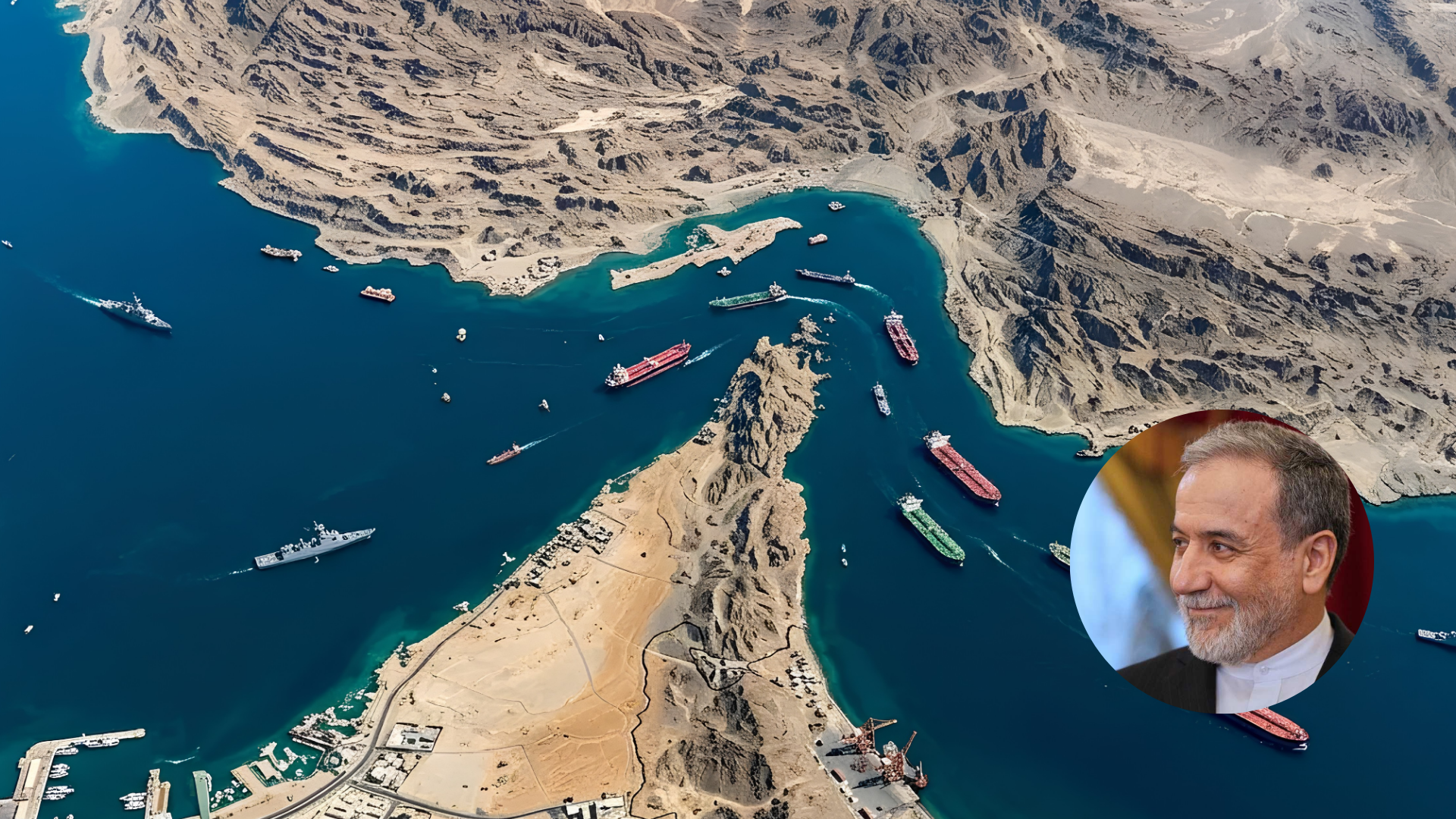
KUALA LUMPUR,June, 2026 – Iran has declared that it will maintain full control over shipping routes in the Strait of Hormuz for the next 30 days, according to Iranian Foreign Minister Abbas Araghchi.
The announcement comes as tensions in the Middle East remain high despite efforts to maintain a fragile ceasefire between Iran and the United States. The Strait of Hormuz, one of the world’s most important maritime routes, has once again become a major focus of international attention because of its role in global oil and trade movement.

Speaking at a press conference in Baghdad, Iraq, Araghchi said the strategic waterway would be placed fully under Iranian administration for the next 30 days. He stressed that responsibility for managing the strait lies entirely with Iran.
Araghchi also warned that any foreign interference or attempt to create a parallel management structure could worsen the situation. He said such actions would only make regional tensions more complicated and could delay efforts to reopen the important shipping route.
The Strait of Hormuz is considered one of the most vital maritime passages in the world. It connects the Gulf with international markets and serves as a key route for oil and energy shipments. Any disruption in the area can directly affect global shipping confidence, energy supply chains, and oil market stability.
The latest statement from Iran comes after months of rising tensions involving Iran, the United States, and Israel. Earlier attacks and threats in the region had already raised concerns over the safety of commercial vessels passing through the Gulf.
Iran had previously disrupted shipping traffic in the Strait of Hormuz through threats and military pressure, using the waterway as part of its wider strategy during negotiations linked to the conflict. The strait has become both a security issue and a diplomatic bargaining point for Tehran.
The reopening of the Strait of Hormuz is understood to be part of a wider framework being discussed between Iran and the United States. Under the agreement, Iran is not expected to impose any fees on vessels passing through the route during a 60-day negotiation period.
Iran is also expected to hold further discussions with Oman regarding the next steps for managing the strait. These talks are expected to involve legal and diplomatic considerations, especially because the waterway is used by many countries for international trade.
Analysts say any attempt to impose new shipping fees or restrictions could become a major point of dispute. Such a move may raise questions under international law and could further complicate efforts to stabilise the region.
For global markets, uncertainty around the Strait of Hormuz remains a serious concern. The route is closely watched by energy traders, shipping companies, and governments because any prolonged disruption could affect oil prices and maritime trade flows.
The latest announcement by Araghchi shows that Iran wants to maintain a strong position over the strategic waterway while negotiations continue. At the same time, the statement may increase concerns among regional powers and international shipping operators.
The coming weeks will be crucial in determining whether Iran, the United States, Oman, and other regional players can prevent further escalation while keeping the Strait of Hormuz open for global shipping.
For now, the situation remains sensitive, with the Strait of Hormuz once again becoming a central point in the wider Middle East security crisis.