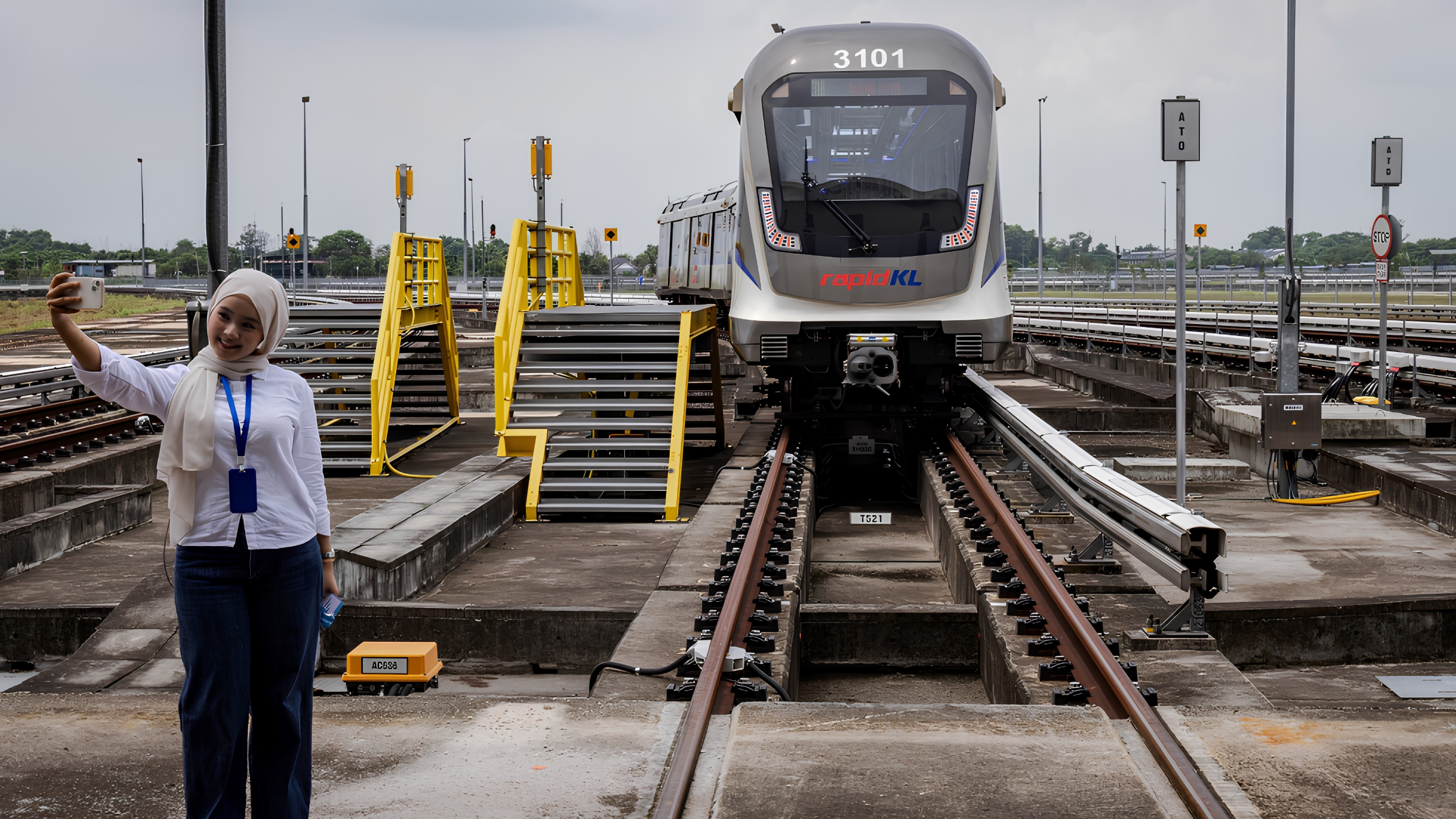
KUALA LUMPUR, June, 2026 – Malaysia’s Shah Alam Light Rail Transit Line 3, better known as LRT3, is set for future expansion under Phase Two, with five additional stations and seven more train sets included in the government’s long-term development plan.
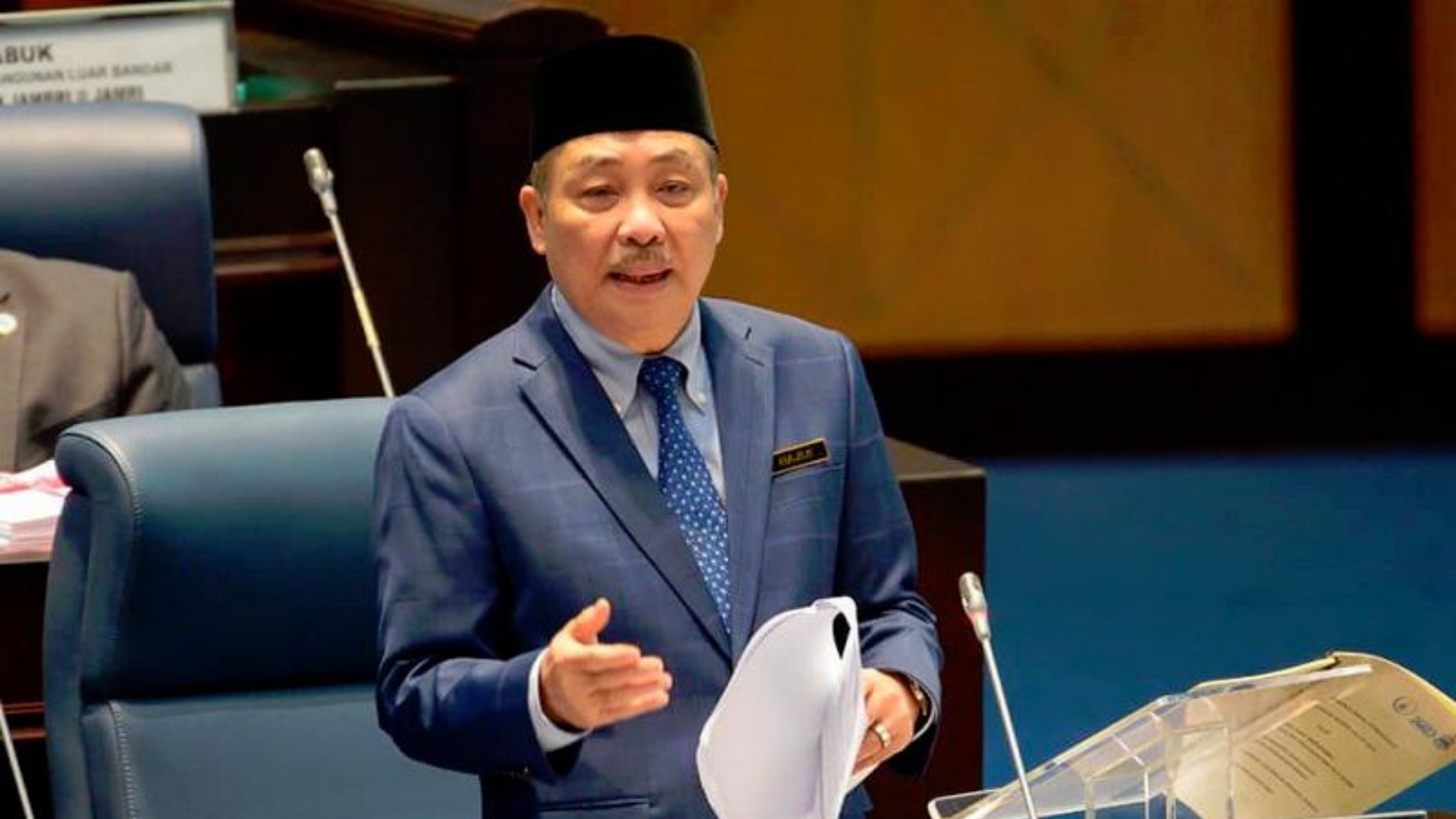
Deputy Transport Minister Datuk Hasbi Habibollah told the Dewan Rakyat that the Phase Two expansion remains part of the government’s broader strategy to strengthen rail connectivity and prepare the public transport system for future passenger growth.

According to Hasbi, the existing LRT3 infrastructure has already been designed to support future expansion if passenger demand increases. He explained that although the trains currently operate using three-car formations, the station platforms have been constructed with enough space to accommodate additional capacity when required.
The deputy minister said this design approach allows the government and transport operators to upgrade the system gradually without needing to rebuild the core infrastructure. The plan is expected to help LRT3 respond to long-term urban growth across the Klang Valley, particularly in areas connected by the Shah Alam Line.
Hasbi made the statement in response to a supplementary question from Permatang Pauh MP Muhammad Fawwaz Mohamad Jan, who raised concerns over whether cost-cutting measures introduced during the 2018 project review could lead to overcrowding during peak hours.
The MP had referred to congestion issues experienced on the Kelana Jaya LRT Line and asked whether LRT3 might face similar problems in the future if demand rises beyond expectations.
Responding to the concern, Hasbi acknowledged that the 2018 review had resulted in major changes to the LRT3 project. However, he stressed that the current system capacity is still considered sufficient based on MRT Corp’s ridership projections.
He said passenger numbers are expected to reach around 67,000 riders per day during the early years of operation, while the LRT3 system is capable of carrying up to 223,560 passengers daily. This means the line has significant available capacity during its initial operating years.
Hasbi also said ridership is forecast to grow gradually over the coming decades. The number of daily passengers is expected to reach about 126,000 by 2040 and around 219,000 by 2050.
Based on these projections, the deputy minister said the current LRT3 capacity would be enough to meet passenger demand until around 2040. The Phase Two expansion would then become an important part of the long-term plan to strengthen service levels and prevent future congestion.
The Shah Alam LRT3 Line covers a distance of 37.8 kilometres and connects Bandar Utama to Johan Setia. The line is expected to improve public transport access for commuters travelling across key areas in Selangor and the Klang Valley.
Hasbi also explained the reason behind delays in the LRT3 project. He said the project was held up after several system integration issues were detected during critical testing phases.
According to him, integration tests had to be repeated until all technical issues were resolved. He said this process was necessary to ensure passenger safety, travel comfort, and smooth train operations before the system could move forward.
Despite the delay, Hasbi said there was no increase in project cost to the government. He explained that LRT3 was implemented under a fixed-price turnkey contract, meaning the government was protected from additional cost increases linked to the delay.
He also said the contractor was subject to late completion damages amounting to RM2.729 million per day, further reinforcing that the delay did not create extra financial burden for the government.
The planned Phase Two expansion is expected to play an important role in Malaysia’s long-term public transport development. By adding five new stations and seven more train sets, the government aims to strengthen rail accessibility, improve passenger capacity, and support future demand across growing urban areas.
The LRT3 expansion also reflects Malaysia’s broader focus on reducing road congestion, improving daily commuting options, and encouraging greater use of public transport in the Klang Valley.
As population and development continue to grow along the Shah Alam Line corridor, the future expansion of LRT3 is expected to become a key part of the country’s urban mobility strategy.