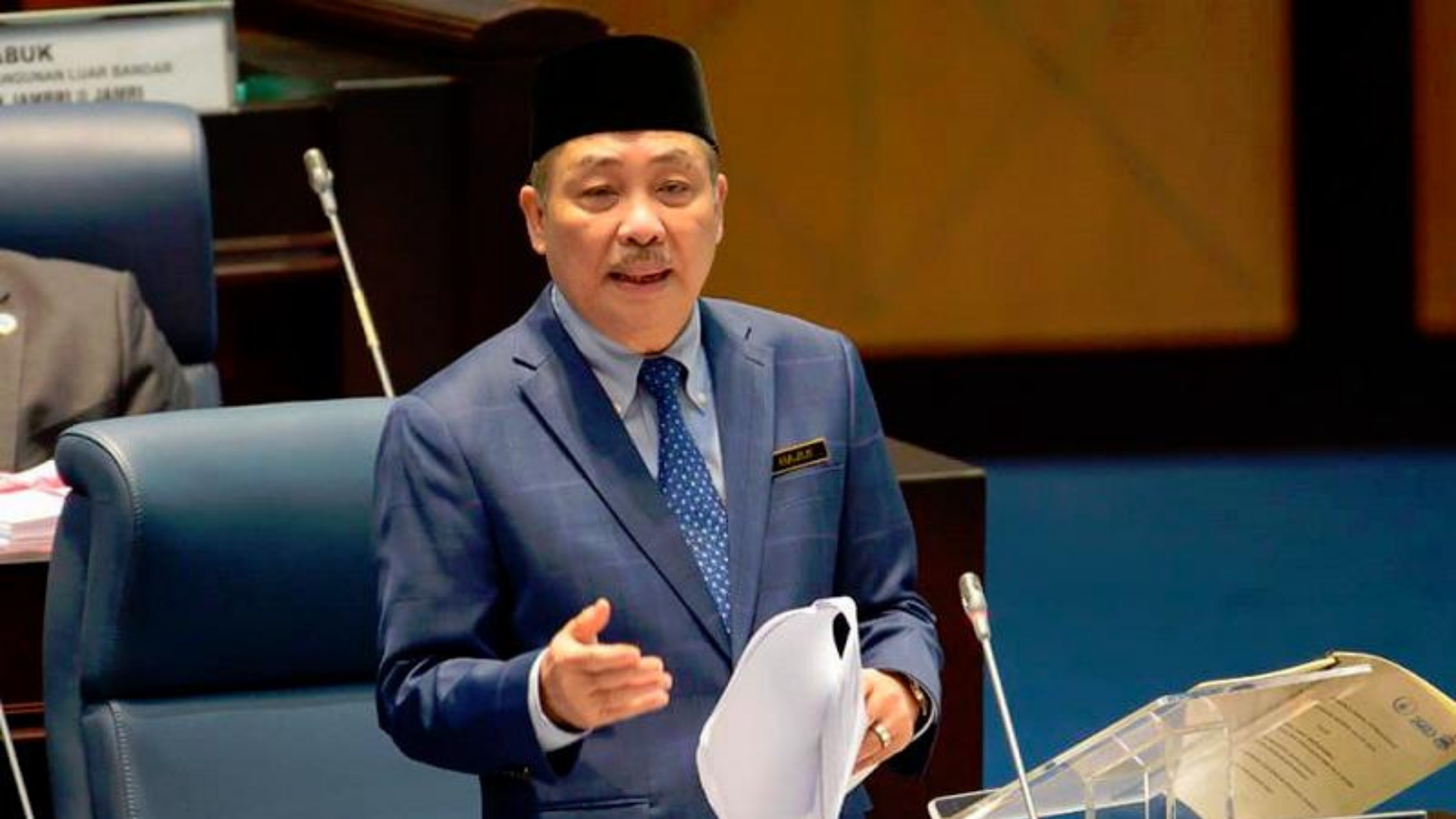
KUALA LUMPUR, June 2026 — Fuel supplies across the nationwide network of PETRONAS petrol stations are expected to remain stable and sufficient until August 2026, said Minister in the Prime Minister’s Department for Law and Institutional Reform, Datuk Seri Azalina Othman Said.
Azalina said the assurance was based on an official response received from PETRONAS and reported during the weekly meeting of the National Economic Action Council, also known as MTEN.

The latest update provides relief for Malaysian consumers and businesses, especially as fuel supply has become a key national concern due to the ongoing global energy crisis arising from the conflict in West Asia.
According to Azalina, PETRONAS’ petrol station network accounts for approximately 50% of Malaysia’s domestic fuel requirements, supplied through its publicly listed subsidiary PETRONAS Dagangan Bhd.
The remaining domestic fuel requirement is supplied by other oil companies operating in Malaysia. PETRONAS had previously confirmed that PETRONAS Dagangan supplies about half of the country’s fuel needs, while other players help cover the balance.
The assurance until August marks another extension in Malaysia’s fuel supply planning. In April, PETRONAS said fuel supply across its nationwide retail network had been secured until the end of June 2026, extending its earlier projection from the end of May.
In May, Economy Minister Akmal Nasrullah Mohd Nasir said PETRONAS had sufficient fuel supply for its nationwide retail network until the end of July 2026, based on updates presented to MTEN.
The latest statement by Azalina now pushes that assurance further to August, showing that PETRONAS and the government are continuing to manage the country’s fuel supply position in stages.
To strengthen national preparedness, Azalina said a Crisis Management Task Force, or PPPK, has been established under MTEN to coordinate the government’s efforts in addressing the global energy crisis.
The task force is responsible for continuously monitoring Malaysia’s fuel, petroleum and energy supply situation, while ensuring supply security in the coming months.
Azalina said the task force also plays a role in controlling prices and preventing smuggling or other irregular activities that could affect national fuel availability.
This is important because fuel supply is not only an energy issue, but also a cost-of-living and economic stability issue. Any disruption in petrol or diesel supply can affect transportation, logistics, food distribution, manufacturing and daily consumer movement.
The government is also working to secure crude oil supplies from exporters outside West Asia, including countries in West Africa and the Americas, depending on crude oil grade suitability and commercial terms.
This strategy reflects Malaysia’s effort to diversify its crude oil sourcing and reduce exposure to supply risks linked to geopolitical tensions in the Middle East.
PETRONAS previously said Malaysia is not fully insulated from the impact of the West Asia crisis, even though the country is an oil-producing nation. The company noted that nearly 40% of Malaysia’s crude oil requirements transit through the Strait of Hormuz, a key global energy shipping route.
PETRONAS also said crude oil prices had risen by almost 40% since the onset of the crisis, while shipping costs, insurance premiums and logistics costs had also increased significantly.
These pressures have affected Malaysia’s fuel supply security and raised the importance of careful supply chain management.
On the product side, PETRONAS said national demand continues to exceed domestic supply. To address the shortfall, the company has been leveraging its integrated value chain and working through its subsidiaries to secure sufficient petrol and diesel supply.
The issue also has a direct impact on retail fuel prices. PETRONAS said fuel prices in Malaysia are regulated by the government through the Automatic Pricing Mechanism, while subsidies for RON95 and diesel are provided to reduce the burden on the public.
Despite global pressure, Malaysia has maintained relatively low regulated fuel prices compared with many regional markets. However, this also means the government must continue balancing subsidy costs, supply security and market stability.
The government’s latest update comes in response to a question from Khairil Nizam Khirudin, the Member of Parliament for Jerantut, who asked about PETRONAS’ earlier statement that fuel supply across its petrol station network was only guaranteed until the end of June 2026 and about the government’s contingency plans if the global energy crisis continues.
The response shows that Malaysia is preparing for a longer period of energy uncertainty rather than treating the situation as a short-term disruption.
The establishment of PPPK under MTEN also indicates that fuel supply management is being handled at a national coordination level, involving monitoring, supply planning, price control and enforcement against smuggling.
Smuggling prevention is especially important in Malaysia because regulated fuel prices can create incentives for illegal resale or cross-border leakage. Stronger monitoring helps ensure that subsidised fuel reaches local consumers and businesses.
For consumers, the August supply assurance means PETRONAS stations are expected to continue operating with sufficient stock in the coming months. However, the public is still encouraged to use fuel responsibly and avoid panic buying.
PETRONAS had earlier advised Malaysians to purchase fuel according to daily needs and avoid hoarding, saying responsible usage would help ensure continued accessibility for all.
For businesses, the update provides short-term confidence, particularly for sectors that depend heavily on fuel such as logistics, agriculture, construction, manufacturing and public transportation.
For the broader economy, stable fuel supply is critical because energy disruptions can quickly affect production costs, transport prices and inflation.
The latest assurance also comes as Malaysia continues to monitor external energy risks. The conflict in West Asia has created uncertainty around crude oil supply routes, tanker movement, insurance costs and global energy prices.
Although the assurance until August is positive, the situation remains dependent on global market conditions, shipping routes, crude supply availability and the progress of geopolitical developments.
Malaysia’s effort to source crude oil from exporters outside West Asia may help reduce risk, but such arrangements depend on technical suitability, refinery requirements and commercial pricing.