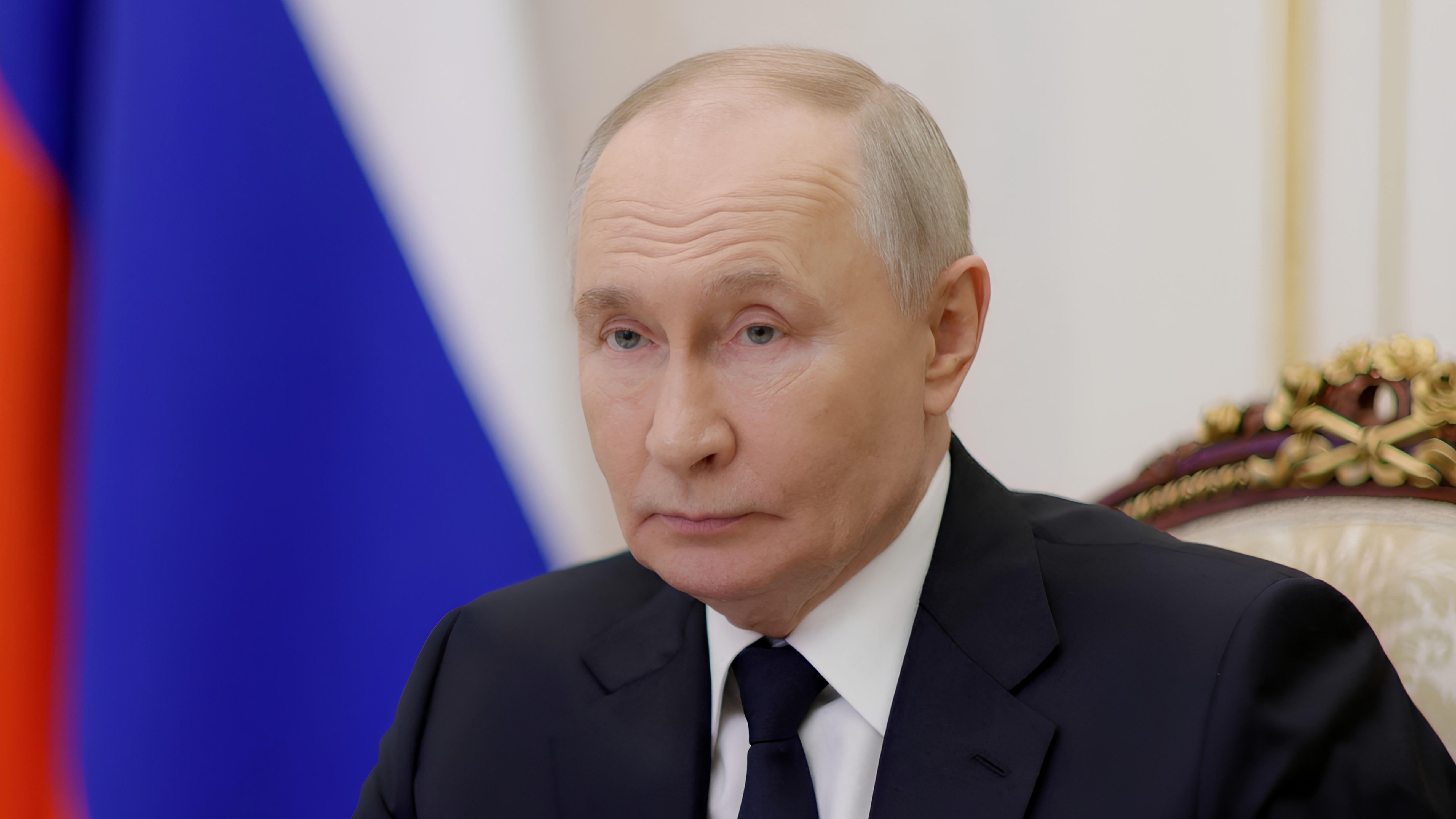
KUALA LUMPUR,MAY,2026 – Russian President Vladimir Putin is facing growing pressure at home as the war in Ukraine stretches into its fifth year, with battlefield setbacks, economic strain and public frustration creating fresh challenges for the Kremlin.
According to reports carried by Malay Mail and AFP-linked coverage, the Russian leader is dealing with several difficulties at once, including internet outages imposed to counter Ukrainian drone attacks, a contracting economy and signs that Russia’s military momentum in Ukraine is slowing. Analysts, however, say the pressure is not yet strong enough to threaten Putin’s grip on power.

Political scientist Konstantin Kalachev told AFP that approval ratings are falling, frustration is rising and anxiety is growing among some Russians after more than four years of war. However, he also said the situation has not reached a critical level, adding that many Russians have adapted to the hardship of wartime life.
One of the main sources of frustration has been internet disruption. Russian authorities have introduced outages in some areas as part of efforts to prevent or limit Ukrainian drone attacks. While the measure is linked to security, it has angered parts of the public and business community, especially as many Russians rely on digital platforms for communication, work and daily services.
Despite the discontent, public anger has not turned into major protests. Analysts say this is partly because Russian authorities continue to crack down on dissent, while many people have adapted by using VPNs and finding ways to live around restrictions.
The battlefield situation has also become more difficult for Moscow. Russia’s progress in Ukraine has slowed sharply in recent months, and Moscow has still not achieved its key objective of fully taking over Ukraine’s Donbas region. AFP reported that in April, for the first time since 2023, the Russian army lost more territory in Ukraine than it gained, based on analysis of data from the US-based Institute for the Study of War.
A separate Russia Matters analysis of ISW data found that Russian forces registered a net loss of 69 square miles of Ukrainian territory between April 21 and May 19, 2026. During the previous four-week period, Russia had recorded a smaller net loss of two square miles, showing how battlefield momentum has shifted in recent weeks.
Reuters also reported that Estonia’s foreign intelligence chief said Putin now has “very difficult choices” in Ukraine because Russian forces are unable to make significant advances while sanctions continue to erode Moscow’s resources. He said Russia is losing more men than it is recruiting, while a general mobilisation would be deeply unpopular and could risk domestic stability.
Economic pressure is another key challenge. Reuters reported that Russia’s US$3 trillion economy contracted by 0.3% in the first quarter, while sanctions on the financial sector and oil exports continue to limit Moscow’s ability to fund and sustain the war.
AFP-linked reports also noted that Russia’s economy posted its first quarterly contraction in three years, while tax increases introduced to help finance war spending have frustrated parts of society and the business elite.
A report from Latvia’s foreign intelligence service, cited by AFP-linked coverage, suggested there is discontent among Russia’s business elite over internet restrictions and wider wartime pressure. The report also claimed that Russian state agencies had strengthened security around Putin due to unspecified threats, though no clear challenger to Putin has emerged.
Putin’s May 9 Victory Day parade also drew attention after it was scaled back compared with previous years. Reuters reported that Russia did not display its usual major military hardware on Red Square, instead showing military equipment through video screens, while AFP-linked coverage said fears of Ukrainian drone attacks contributed to the absence of military hardware for the first time in nearly two decades.
Even so, analysts warn against assuming that the Kremlin is close to collapse. Kalachev said a real crisis would require both a trigger and a leader, and that Russia’s political system does not allow unauthorised opposition leaders to easily emerge.
Reuters also cited a European intelligence official who said there are growing signs of pressure on Russia, but no evidence yet that this is changing Moscow’s overall war strategy. The official said Russia still appears determined to pursue its objectives, especially in Donbas.
Putin himself has tried to project confidence. Earlier this month, he said he believed the Ukraine conflict was “coming to an end,” while also repeating that Russia would continue fighting until it achieved its goals.
The war, launched by Russia’s full-scale invasion in February 2022, has become Europe’s deadliest conflict since World War II. It has killed or wounded hundreds of thousands of people, devastated large parts of Ukraine and pushed Russia’s relations with the West to their worst level since the Cold War.
For now, Putin remains firmly in control, but the pressure around him is becoming harder to ignore. Russia is still a formidable military and geopolitical force, yet the combination of battlefield stagnation, economic strain, sanctions, elite discomfort and public frustration shows that the cost of the long war is rising.
The latest developments suggest Putin is not facing an immediate threat to power, but the Ukraine war is entering a more difficult phase for Moscow. As the conflict drags into its fifth year, the Kremlin must balance military ambition with the growing domestic and economic consequences of a war that has not gone according to plan.