KUALA LUMPUR,MAY,2026 – US President Donald Trump said a potential agreement with Iran has been “largely negotiated”, but warned that Washington is in no rush to finalise the deal while several major issues remain unresolved.
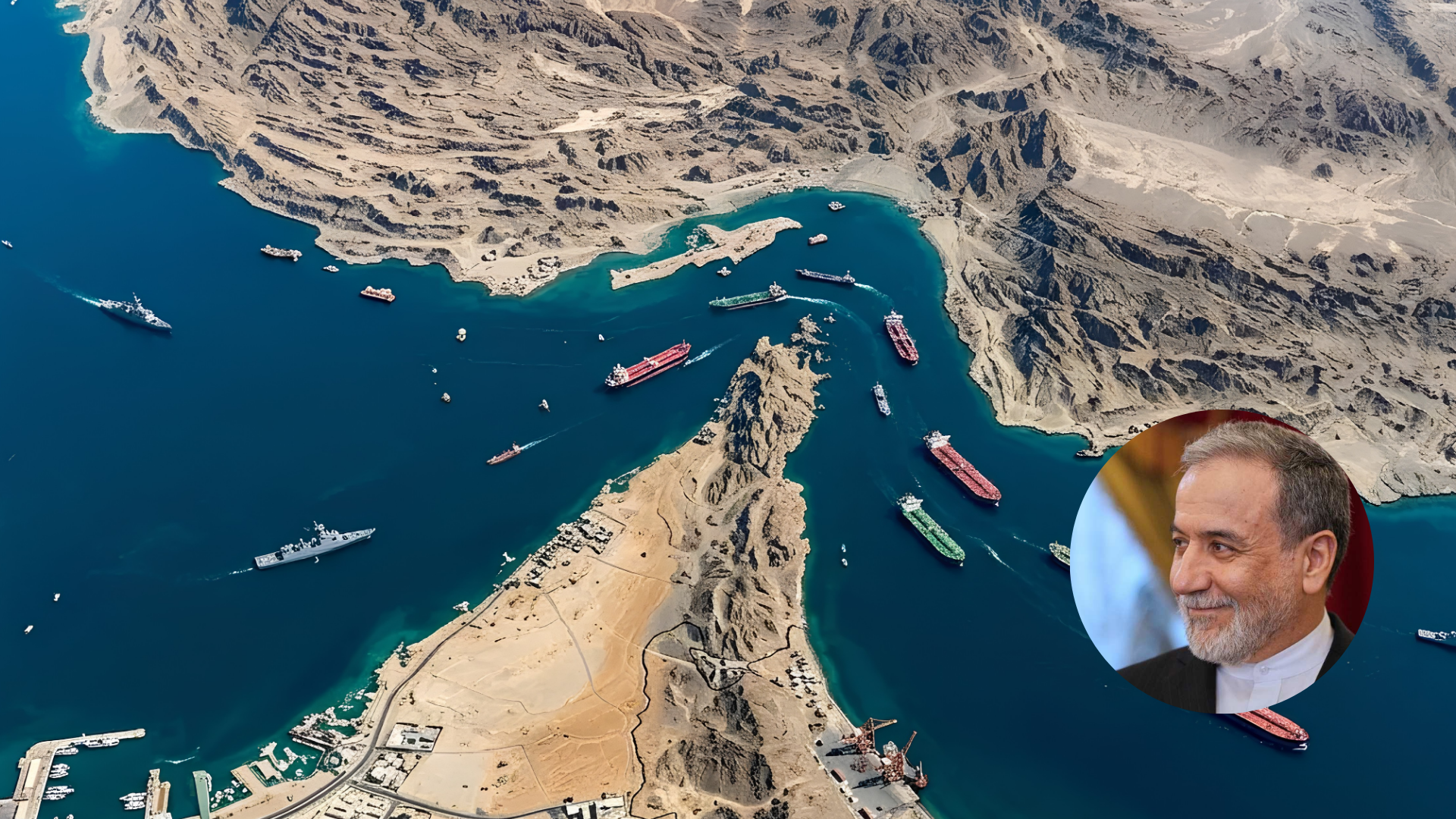
According to Reuters, Trump said the United States would keep its naval blockade on Iranian ships in the Strait of Hormuz until any agreement is formally certified and signed. The Strait of Hormuz remains central to the negotiations because it is one of the world’s most important energy shipping routes.

The proposed deal is understood to involve the reopening of the Strait of Hormuz, sanctions relief, Iran’s nuclear programme and the disposal of Iran’s enriched uranium stockpile. A senior Trump administration official said Iran had tentatively agreed to open the strait and dispose of enriched uranium in exchange for the lifting of the blockade, but stressed that details still need to be worked out.
A separate Reuters report, citing Axios, said the United States and Iran were nearing a possible agreement on a 60-day ceasefire extension. The proposed arrangement would reportedly include reopening the Strait of Hormuz, clearing Iranian mines, allowing freer shipping passage and providing Iran with limited oil sales access and sanctions waivers during the ceasefire period.
However, the deal has not been finalised. Tehran has not publicly confirmed all the details reported by US officials and mediators, while Iranian-linked media have disputed some claims regarding the reopening of the strait. This means the agreement remains politically sensitive and uncertain despite Trump’s claim that it has been largely negotiated.
Trump said any final deal must “absolutely” ensure that Iran does not obtain nuclear weapons. The nuclear issue remains one of the biggest obstacles in the talks, particularly around how Iran’s highly enriched uranium would be removed, destroyed or placed under international verification.
The proposed framework would also involve regional mediators and several Middle Eastern countries. According to reports, the talks involve not only Washington and Tehran, but also other governments trying to secure a broader ceasefire framework and restore shipping confidence in the Gulf.
The Strait of Hormuz has become a major pressure point in the conflict because disruption there affects global energy flows, shipping costs and inflation expectations. Any credible reopening deal could help calm oil markets and reduce pressure on international freight routes.
At the same time, the agreement faces criticism in the United States. Some Democratic lawmakers and conservative critics of Trump argue that the proposed deal may resemble earlier nuclear diplomacy with Iran without securing enough new concessions. Others are concerned about whether Iran’s commitments can be enforced over time.
Supporters of the talks, however, argue that reopening the Strait of Hormuz and extending the ceasefire could reduce the risk of wider war, stabilise energy markets and create space for a more comprehensive diplomatic settlement.
For now, Trump has made clear that Washington will not lift pressure before a final agreement is signed. The US blockade remains in place, and the administration says sanctions relief or other concessions will depend on verifiable steps by Iran.
The next 60 days could be crucial. If both sides can settle the remaining technical and political details, the deal may reopen one of the world’s most important maritime routes and reduce tensions in the Gulf. But if the talks fail, the Strait of Hormuz dispute could continue to weigh on oil prices, shipping and global economic stability.
Overall, Trump’s statement signals progress in US-Iran negotiations, but not a breakthrough yet. The deal may be largely drafted, but the biggest questions remain unresolved: whether Iran will formally accept the terms, how the uranium issue will be verified, and when the Strait of Hormuz can safely reopen.