KUALA LUMPUR,MAY,2026 – US President Donald Trump is pushing Saudi Arabia and several other Muslim-majority countries to recognise Israel by joining the Abraham Accords, as part of a wider diplomatic effort tied to a possible agreement with Iran.
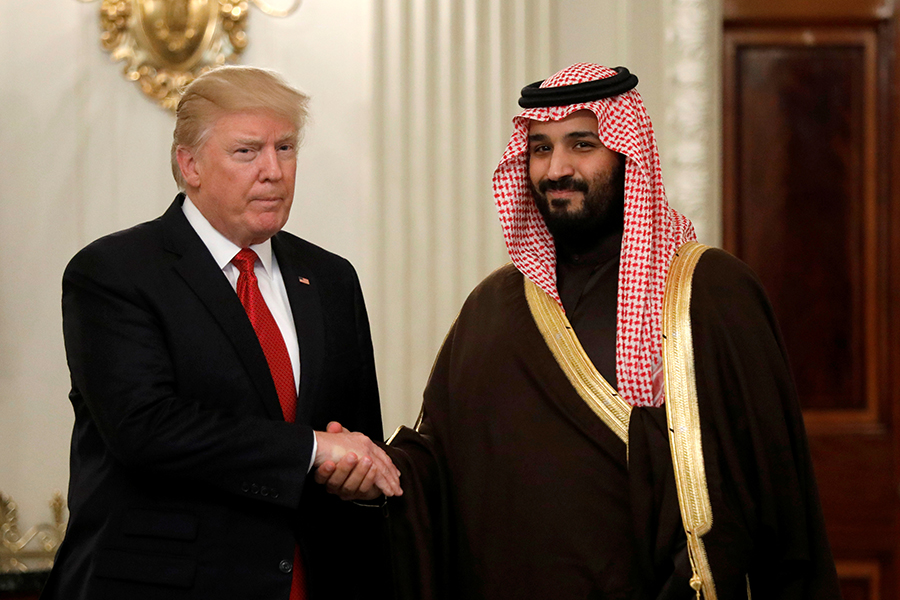
Trump said he had asked Saudi Arabia, Qatar, Pakistan, Turkey, Egypt and Jordan to join the US-brokered Abraham Accords “en masse” to normalise relations with Israel while Washington continues efforts to negotiate an agreement aimed at ending the war with Iran.

According to Reuters, Trump said he spoke on Saturday with leaders of those countries, as well as the United Arab Emirates and Bahrain, which had already signed the accords during his first term. The Abraham Accords were first signed in 2020 by the UAE and Bahrain, followed later by Morocco and Sudan.
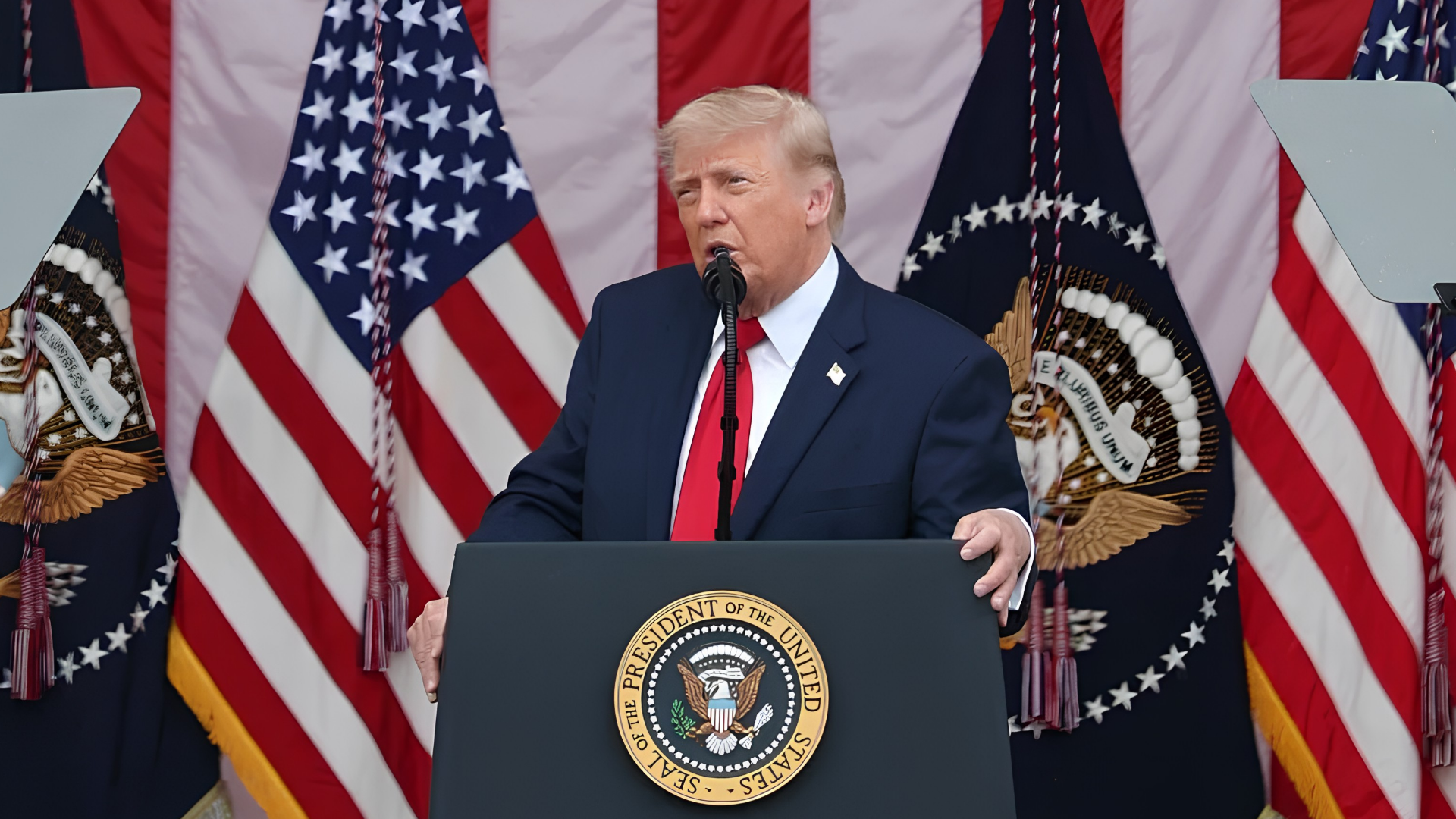
In a post on Truth Social, Trump said he was requesting that all countries immediately sign the Abraham Accords, adding that if Iran signs an agreement with him, he would consider it an honour for Iran to also be part of what he described as a wider world coalition.
The move shows Trump trying to connect two major diplomatic tracks: a possible Iran deal and a broader expansion of Arab and Muslim recognition of Israel. If successful, it could represent a major shift in Middle East diplomacy by placing Israel normalisation, Iran de-escalation and regional security under one wider framework.
However, the proposal faces significant obstacles. Pakistan has already rejected the idea, while Reuters reported that other countries named by Trump had not publicly responded. Public mistrust of Israel remains high in many Muslim-majority countries due to the scale of Israel’s military offensive in Gaza.
Saudi Arabia remains the most important country in Trump’s push. Recognition from Riyadh would be a major diplomatic milestone because the kingdom is the birthplace of Islam and custodian of the two holy cities, Makkah and Madinah.
However, Saudi Arabia’s long-standing position is that it will not join the Abraham Accords unless there is a credible roadmap toward Palestinian statehood. That condition remains one of the biggest barriers to any Saudi-Israel normalisation deal.
The issue is also complicated because some of the countries Trump named already have formal relations with Israel. Egypt and Jordan have long-standing peace treaties with Israel, while Turkey first recognised Israel decades ago. However, relations between those countries and Israel have been strained by the Gaza war.
Trump’s statement comes as Washington continues negotiations with Tehran. The US president said talks with Iran were “proceeding nicely,” but Reuters noted that he gave no indication that a deal was imminent.
The emerging Iran deal has also drawn criticism in Israel. Israeli opposition leader Yair Lapid said the agreement being discussed between Washington and Tehran would be bad for Israel, the region and the people of Iran. According to AP, the proposed arrangement may involve Iran giving up its highly enriched uranium stockpile and reopening the Strait of Hormuz in exchange for the end of a US blockade and sanctions relief.
Lapid also criticised Israeli Prime Minister Benjamin Netanyahu, saying Israel had failed to influence Washington toward a better agreement. He warned that several major issues, including Iran’s missile programme and support for regional militant groups, may remain unresolved under the emerging framework.
Trump’s allies, however, see the Abraham Accords expansion as a way to make the Iran deal more acceptable to sceptics. Republican Senator Lindsey Graham supported the idea, saying a wider regional framework could help build integration and economic opportunity in the Middle East.
Analysts remain cautious. Ali Vaez of the International Crisis Group told Reuters that Trump appeared to be trying to present an Iran deal as a sequel to the Abraham Accords, making it look beneficial for Israel, the region and Washington. However, he warned that the strategy risks placing too much hope on a fragile diplomatic package.
The proposal also creates new pressure on Saudi Arabia and Qatar. Both countries are important US partners, but open recognition of Israel remains politically sensitive, especially while the Gaza conflict continues to shape public opinion across the Arab and Muslim world.
For Saudi Arabia, the question is not only diplomatic but also domestic and regional. Any move to recognise Israel without progress on Palestinian rights could trigger criticism from Arab and Muslim publics and weaken Riyadh’s position as a leading voice in the Islamic world.
For Israel, expanded recognition would be a major strategic victory. Saudi normalisation has long been viewed as the biggest prize in the Abraham Accords process because it could open the door for broader regional acceptance of Israel.
For Iran, Trump’s proposal adds another layer of complexity to already difficult negotiations. Tehran may view an expanded Abraham Accords framework as an attempt to build a regional bloc aligned with Washington and Israel, even if Trump frames it as part of a peace coalition.
For now, the plan remains uncertain. Trump has publicly linked the Abraham Accords to a possible Iran deal, but there is no sign that Saudi Arabia or most of the other countries named are ready to immediately accept his demand.
Trump’s latest move signals an ambitious attempt to reshape Middle East diplomacy by combining Iran negotiations with Israel normalisation. If it succeeds, it could become one of the biggest diplomatic breakthroughs of his presidency. But if key countries reject the proposal, it could complicate both the Iran talks and the broader push to expand the Abraham Accords.