KUALA LUMPUR, June, 2026 — Iran has rejected pressure from the United States to quickly approve a new agreement, insisting that any deal must first guarantee the rights of the Iranian people.
Iran’s senior negotiator and parliament speaker Mohammad Bagher Ghalibaf said Tehran would not accept any agreement with Washington unless it was fully satisfied that Iranian rights had been protected. His remarks came as reports suggested that US President Donald Trump had sent Iran a tougher new peace proposal, raising fresh uncertainty over the future of the negotiations.

The latest statement shows that major gaps remain between the two sides, despite weeks of negotiations aimed at formally ending the conflict in the Middle East and reopening the Strait of Hormuz, one of the world’s most important shipping routes.
According to Malay Mail/AFP, any further changes to the draft agreement could delay a final deal, especially as the talks have already been marked by strong rhetoric, competing demands and occasional flare-ups of violence.
Iran and the United States had already been engaged in talks over Tehran’s nuclear programme when the wider conflict escalated earlier this year. Iran has repeatedly maintained that its nuclear programme is intended for civilian purposes, while the United States and its Western allies continue to suspect that Tehran is seeking the capability to develop nuclear weapons.
Reports from The New York Times and Axios, cited by Malay Mail/AFP, said Trump had returned a tougher framework for Iran to consider. However, the full details of the proposal remain unclear.
Trump has said his priorities include preventing Iran from developing nuclear weapons and reopening the Strait of Hormuz, which has been blocked since the war began. He also claimed that Iran had agreed to guarantees that it would not develop nuclear weapons.
Tehran, however, has pushed back against Washington’s statements. Iranian officials have cast doubt on Trump’s claims and said both sides remain far apart on several key issues.
Ghalibaf said Iran would not approve any agreement until it was certain that the rights of its people had been upheld. Iranian media also reported that exchanges over the draft agreement are still ongoing, with both sides continuing to propose amendments.
Iranian Foreign Minister Abbas Araghchi also urged caution, saying that until a clear conclusion is reached, all public claims about the negotiations should be treated as speculation.
One of Iran’s key demands is the release of frozen assets. Tehran has said it needs the release of US$12 billion in frozen assets before entering deeper discussions on its nuclear programme. Iranian media also dismissed earlier Trump claims that Iran’s enriched uranium stockpile would be destroyed, calling the remarks baseless.
The issue of frozen assets has become one of the most sensitive points in the negotiations. For Iran, the funds are viewed as part of the country’s national rights and economic sovereignty. For the United States, the release of funds is likely to be tied to broader guarantees on nuclear activity, regional security and maritime access.
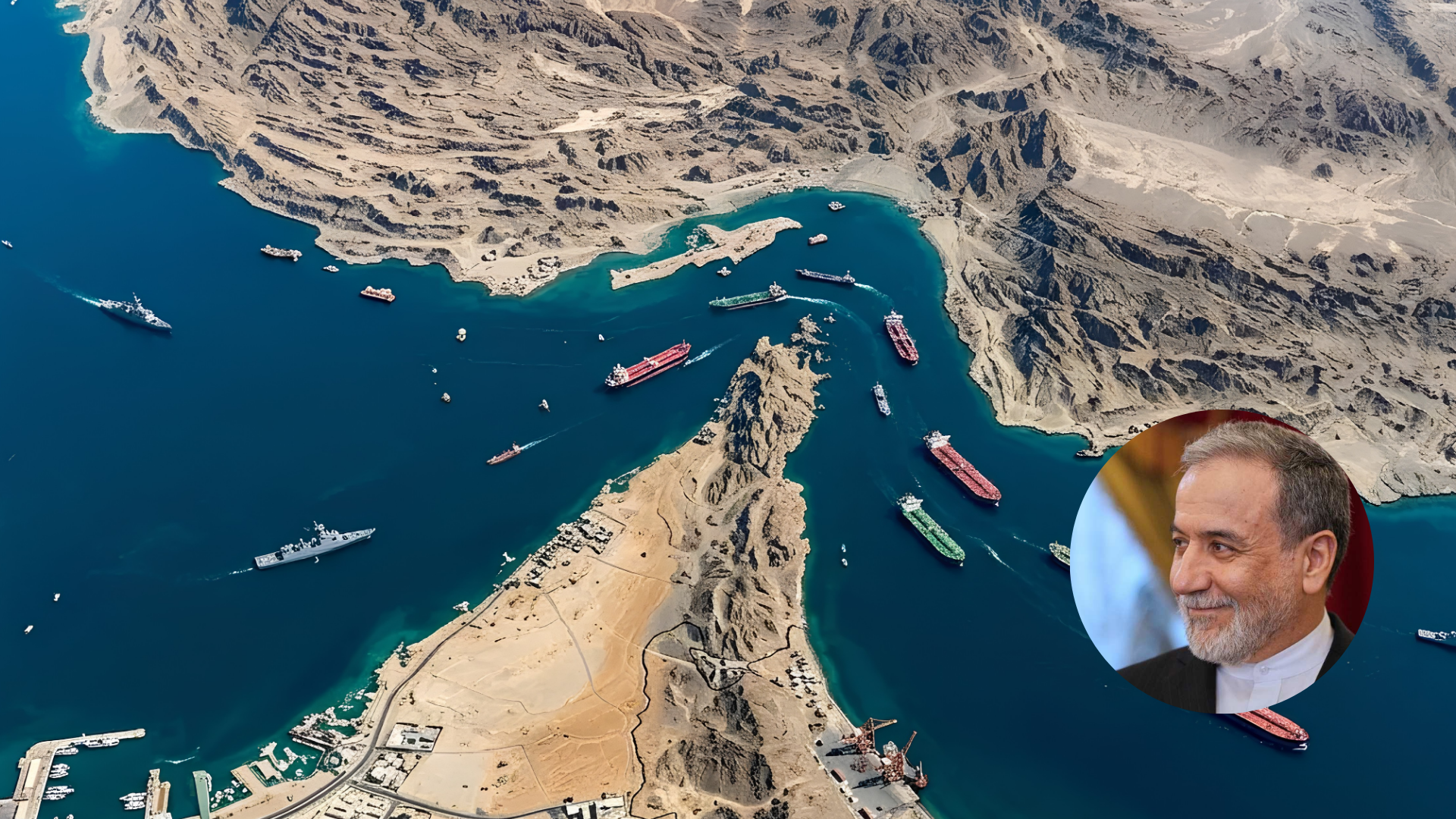
The Strait of Hormuz is another major issue in the talks. Trump has said any agreement must reopen the shipping lane and remove obstacles to global trade. However, Iranian sources rejected claims that Iran had agreed not to impose any tolls on ships passing through the strait.
Iran’s Fars news agency cited sources saying that no such clause existed in the proposed deal. Separately, Iranian lawmaker Alireza Salimi was quoted as saying that a plan for Iranian “management and sovereignty” over the strait, including administrative fees, could soon be brought before parliament.
The Strait of Hormuz remains central to global energy markets because a large share of the world’s oil shipments passes through the waterway. Any delay in reopening or stabilising the route could continue to affect oil prices, inflation risks and global economic confidence.
The negotiations are also complicated by security concerns over Iran’s missile programme. Malay Mail/AFP reported that one of Washington’s stated war aims was the destruction of Iran’s ballistic missile programme. US military officials had previously estimated that more than 80% of Iran’s missile facilities had been struck.
However, CNN reported that satellite imagery showed Tehran had managed to excavate 50 out of 69 tunnel entrances hit by US strikes at 18 underground missile sites. This suggests that Iran may still retain parts of its missile infrastructure, adding another layer of concern for Washington.
Although daily strikes across Iran and the Gulf stopped after Tehran and Washington agreed to a temporary ceasefire in April, sporadic attacks have continued. Iranian state broadcaster IRIB reported that Iran’s Revolutionary Guards had shot down a US military drone that was allegedly about to enter Iranian territorial waters, although Washington had not confirmed the incident.
The situation also remains tense on the Lebanon front. Tehran has insisted that any peace agreement must include Lebanon, where fighting involving Israel and Iran-backed Hezbollah continues despite a formal truce.
A ceasefire between Israel and Hezbollah began on April 17, but it has not been fully observed, with both sides accusing each other of violations. Lebanese authorities said an Israeli strike on Deir Zahrani in southern Lebanon killed eight people on Sunday, including three women.
The United Nations Security Council is expected to hold an emergency meeting on Monday over the widening Israeli offensive, following Israel’s capture of the strategic medieval castle of Beaufort. Israeli Prime Minister Benjamin Netanyahu described the seizure as a major shift in the campaign.
The Lebanon issue shows that the US-Iran talks are no longer limited to Tehran’s nuclear programme alone. The negotiations now appear to involve a wider set of regional security concerns, including Hezbollah, Israel, maritime access, missile capability and the future of sanctions.
For Trump, securing a deal would be politically significant because it could ease pressure on oil markets and reduce risks around the Strait of Hormuz. However, Iran’s latest remarks show that Tehran is not prepared to accept an agreement that it sees as one-sided or driven by US pressure.
For Iran, the main message is that any deal must include guarantees, not only promises. Tehran wants its rights to be recognised, its frozen assets released and its regional demands taken seriously before committing to any final agreement.
The talks are expected to remain difficult as both sides continue reviewing amendments to the proposed framework. While Washington wants firm guarantees over nuclear weapons and shipping access, Tehran is demanding assurances over sovereignty, national rights and economic relief.
For now, no final agreement has been reached. Iran’s latest statement signals that negotiations will continue, but only if Tehran believes the final terms protect its national interests.