KUALA LUMPUR,June, 2026 – The Kremlin has confirmed that Russian President Vladimir Putin has been briefed on an open letter from Ukrainian President Volodymyr Zelenskyy, in which the Ukrainian leader proposed a direct meeting to discuss an end to the ongoing war.
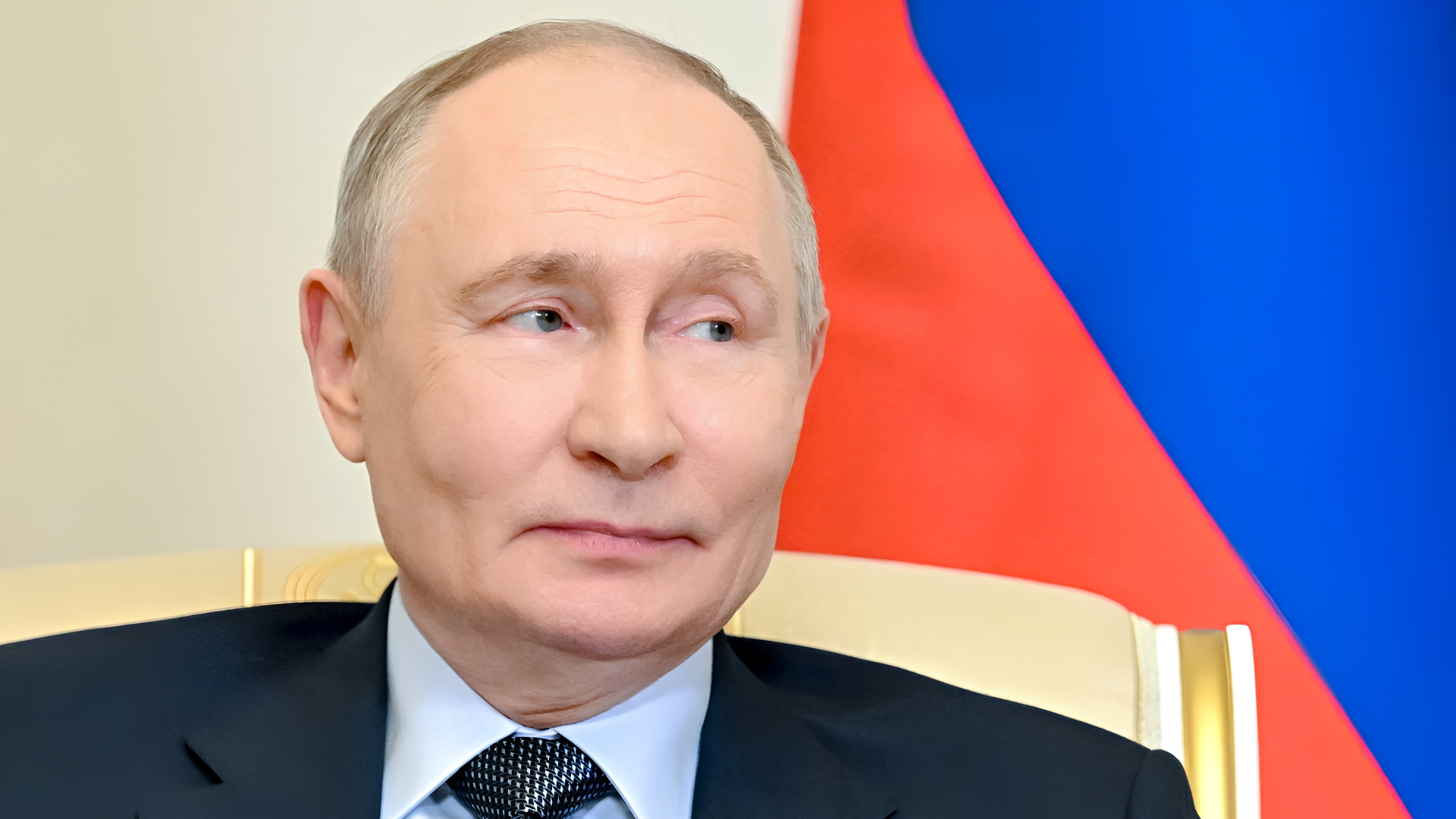
Kremlin spokesman Dmitry Peskov told Russian outlet Izvestia that the written version of the letter had been passed to Putin overnight and that the Russian president had reviewed it. The remarks were reported by Malay Mail, citing Reuters.

Zelenskyy published the open letter on June 4, 2026, calling on Putin to agree to face-to-face talks aimed at ending the conflict, now in its fifth year since Russia’s full-scale invasion of Ukraine in 2022.
In the letter, Zelenskyy urged Russia to choose a diplomatic path and proposed that both leaders meet directly, rather than allowing lower-level talks to continue without meaningful progress. The Ukrainian president also said Kyiv remains ready to continue defending itself if Moscow refuses to negotiate seriously.
The proposal marked one of Zelenskyy’s most direct public appeals to Putin since the start of the full-scale war. It also appeared designed to place diplomatic pressure on Moscow by publicly challenging the Russian leader to engage in negotiations.
According to Malay Mail, Zelenskyy’s letter included criticism of Putin and suggested that ordinary Russians were becoming tired of both the war and the Russian president’s leadership.
Peskov said it was very likely that Putin would comment on the letter during a plenary session at the St Petersburg International Economic Forum, where the Russian president was scheduled to speak later on Friday.
The Kremlin’s response was cautious. While it confirmed that Putin had received and reviewed the letter, it did not immediately indicate whether Moscow was prepared to accept Zelenskyy’s call for direct talks.
In a later update, Reuters reported that Putin said he currently saw no reason to meet Zelenskyy, arguing that any leader-level meeting should come only after experts work out long-term agreements.
That position suggests Moscow is not ready for an immediate summit, despite Kyiv’s push for direct negotiations. Russia has repeatedly insisted that any meeting between the two presidents must be tied to final arrangements rather than early-stage discussions.
Zelenskyy’s proposal comes at a time when diplomatic efforts to end the war remain stalled. Previous attempts at talks have failed to produce a lasting ceasefire or a political settlement, with both sides holding sharply different positions on territory, security guarantees and the future of occupied regions.
Ukraine has repeatedly rejected any settlement that would force it to surrender territory currently occupied by Russia. Moscow, meanwhile, has continued to demand major concessions, including recognition of Russian control over areas it claims as part of its territory.
The open letter also came as Ukraine has stepped up its ability to strike targets inside Russia, including energy and military-related infrastructure. Kyiv has argued that such operations are intended to weaken Russia’s war machine and improve Ukraine’s leverage in any future negotiations.
From Ukraine’s perspective, a direct meeting between Zelenskyy and Putin could help break the diplomatic deadlock. Kyiv has said that only the two leaders can resolve the most difficult questions, especially those involving territory and security guarantees.
However, from Moscow’s perspective, a direct meeting could carry political risks. Accepting Zelenskyy’s invitation may be seen as acknowledging the Ukrainian president as a direct negotiating equal, something the Kremlin has often tried to frame on its own terms.
The timing of the letter is also important. It was published during the week of the St Petersburg International Economic Forum, a major event used by Moscow to project economic resilience despite sanctions and wartime pressure. Analysts have suggested the letter may have been intended not only for Putin, but also for Russian elites and international audiences.
By publishing the letter openly, Zelenskyy appeared to be sending a message beyond the Kremlin. The appeal was likely aimed at Russia’s political and business circles, Western allies and countries that have urged both sides to return to negotiations.
The Ukrainian leader’s message also sought to show that Kyiv remains open to peace, but not at the cost of surrendering its sovereignty. Zelenskyy has consistent
For now, however, the Kremlin’s response indicates that the road to direct talks remains uncertain. Putin’s reluctance to meet Zelenskyy immediately suggests that Moscow may continue to push for lower-level negotiations or conditions that Ukraine is unlikely to accept.
The war has caused massive human, economic and geopolitical damage since 2022. Millions of Ukrainians have been displaced, cities and infrastructure have been damaged, and both countries have suffered heavy military losses.
The conflict has also reshaped European security, strengthened NATO’s eastern posture and triggered waves of sanctions against Russia. At the same time, Ukraine continues to rely heavily on Western military and financial support to sustain its defence.
A direct Zelenskyy-Putin meeting would be a major diplomatic development, but the conditions for such a meeting remain unclear. Both sides would need to agree on the venue, agenda, ceasefire terms and the role of international mediators.
Zelenskyy has previously suggested that talks could take place in a neutral country, while Ukraine has also called for the involvement of the United States and European partners in guaranteeing any future settlement.
The Kremlin, however, has so far avoided committing to any immediate direct meeting. Its latest response shows that Moscow is aware of the proposal, but not yet prepared to treat it as a breakthrough.
Putin being briefed on Zelenskyy’s open letter represents a notable diplomatic moment, but not yet a sign of real progress. The coming days will show whether the Kremlin offers a serious response or continues to reject direct talks until broader terms are shaped in Moscow’s favour.
For now, Zelenskyy’s open letter has placed renewed attention on the possibility of direct peace talks, while Russia’s guarded response highlights how far both sides remain from a negotiated end to the war.