KUALA LUMPUR,June,2026 – The death toll from the powerful earthquake that struck the southern Philippines has continued to rise, with reports showing dozens of people killed and hundreds injured after a 7.8-magnitude quake hit off the southern coast of Mindanao.
Harian Metro reported that the number of victims had climbed to 46, while newer updates from Xinhua and AP cited official disaster figures of at least 47 deaths.

According to the National Disaster Risk Reduction and Management Council in the Philippines, the earthquake left at least 47 people dead, 31 missing and 688 injured. The disaster also affected more than 346,000 people, with over 45,000 residents displaced and more than 12,600 homes damaged.
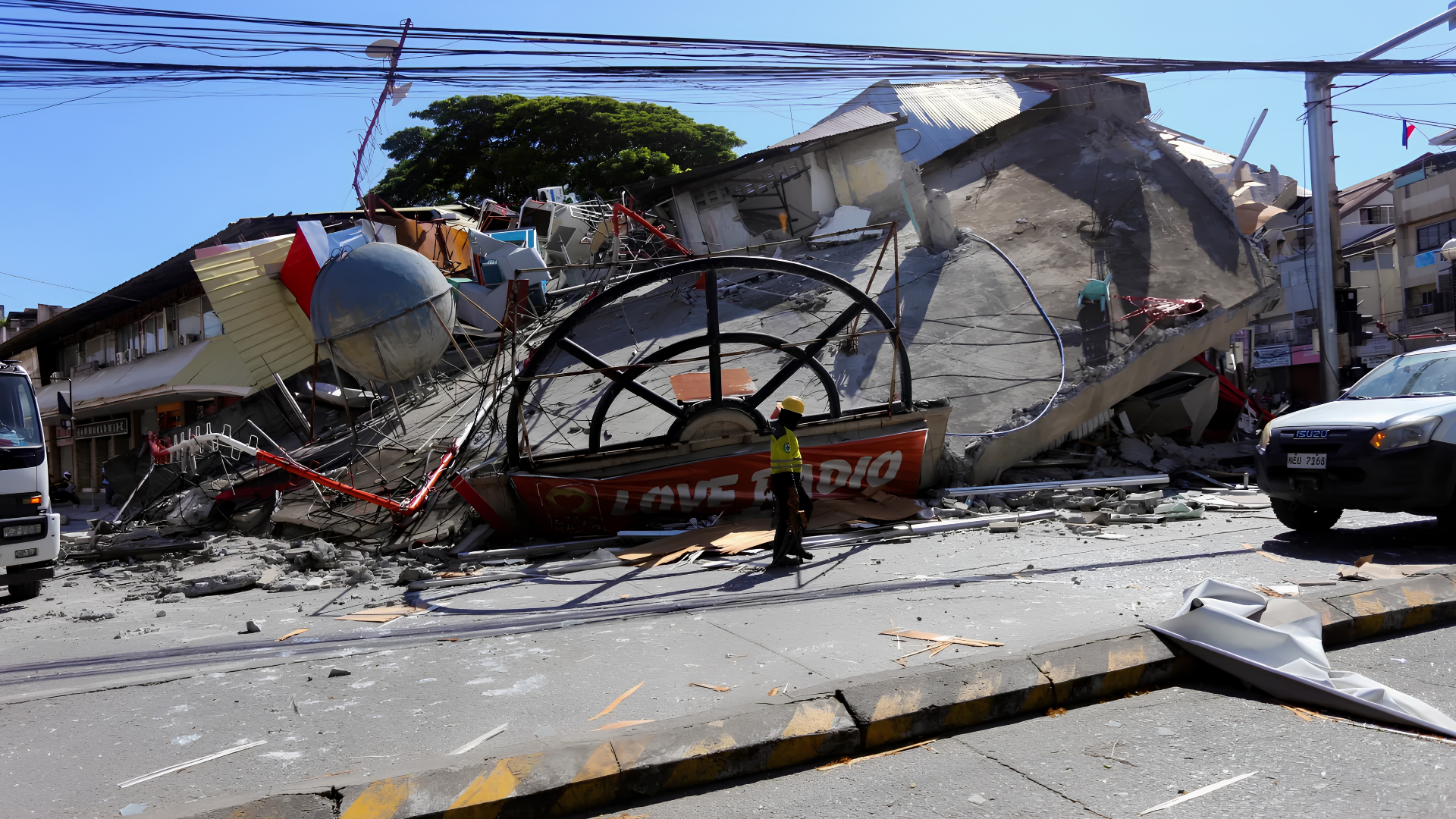
The strong quake struck on Monday off the coast of southern Mindanao, one of the most seismically active areas in the Philippines. The tremor was felt across several provinces, causing panic among residents, damaging buildings, triggering landslides and forcing many people to flee to safer areas.
Among the hardest-hit areas were Sarangani, South Cotabato, General Santos City and parts of Davao Occidental. Reports said Glan town in Sarangani suffered severe damage, with landslides burying homes and cutting off several villages from road access.
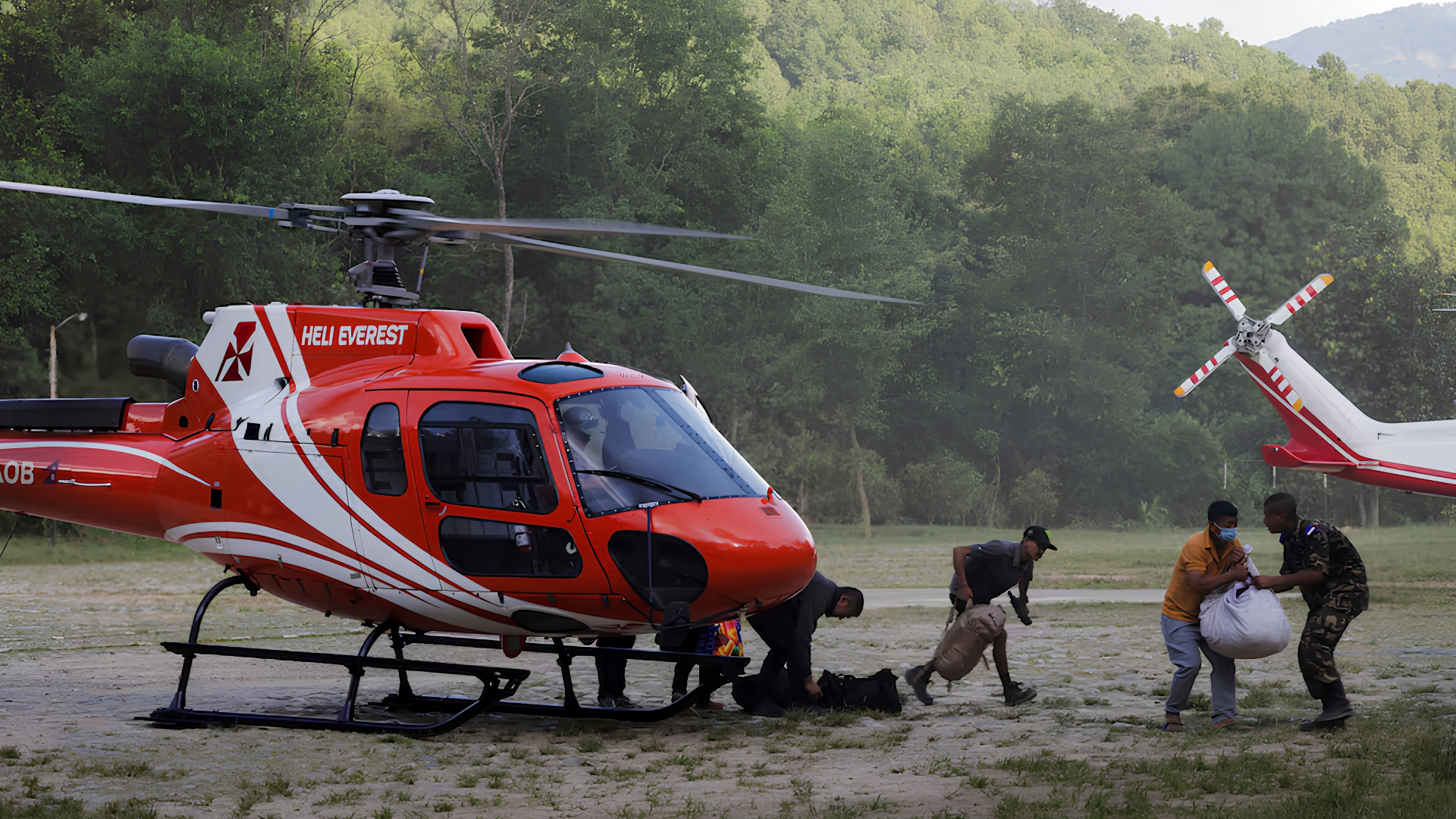
The disaster also created urgent humanitarian concerns as several communities became isolated after landslides blocked roads. Local authorities appealed for helicopters to airlift food and essential aid to villages that could not be reached by land, as power and communications remained disrupted in several affected areas.
The earthquake also triggered tsunami waves of up to 1.4 metres, with some coastal communities reporting flooding and panic after the strong offshore tremor. Tsunami-related incidents also contributed to casualties, including drownings in General Santos.
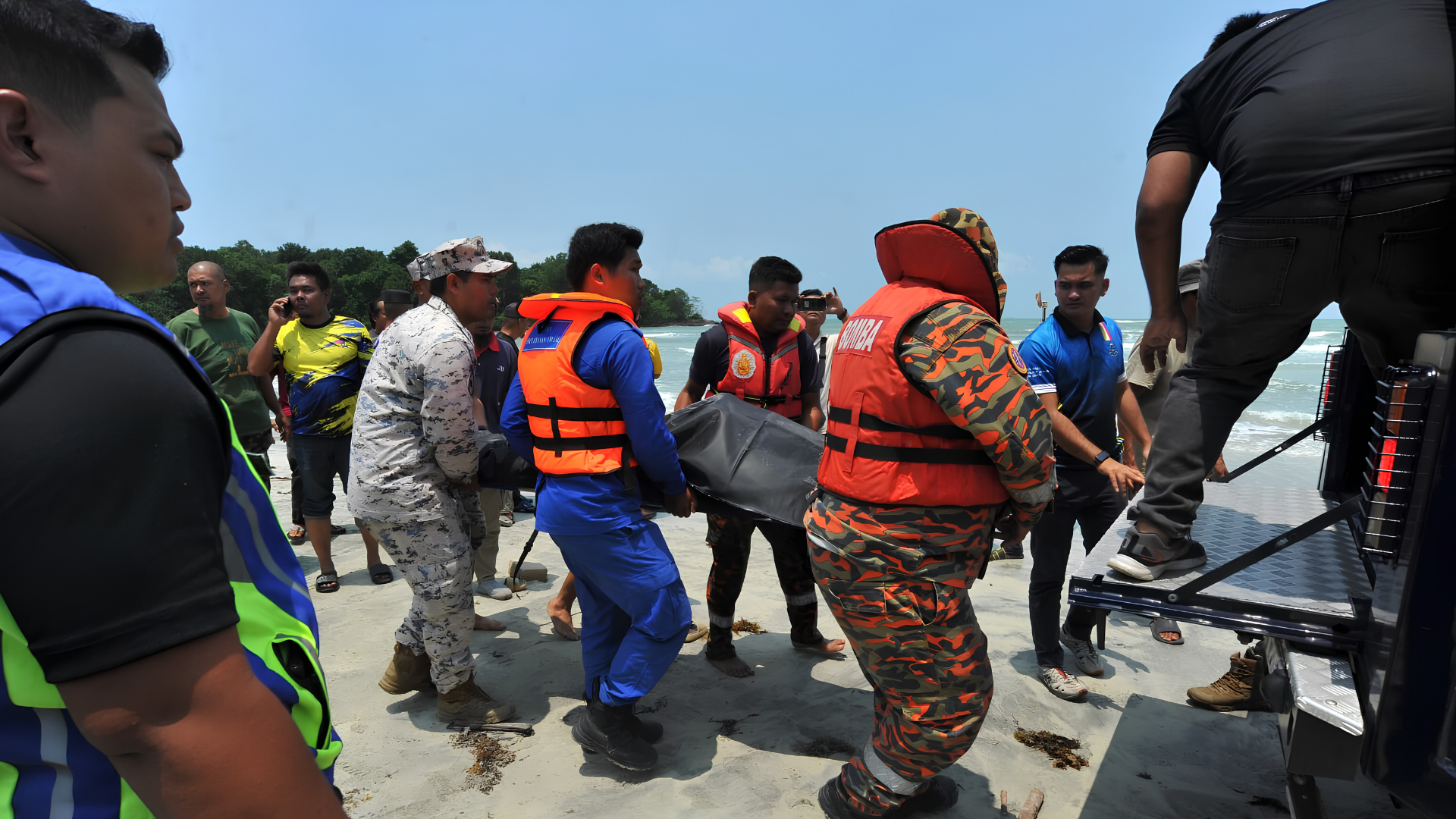
Rescue and recovery operations have been complicated by continuing aftershocks. More than 2,100 aftershocks were reportedly recorded, including several strong tremors that forced residents and rescue teams to remain cautious while entering damaged buildings and unstable areas.
The earthquake struck as students were returning to school, adding to the fear and disruption across affected communities. Several school buildings, public facilities, roads and bridges were reported damaged, while authorities began assessments to determine whether structures were safe to use.
Hospitals in affected areas also faced pressure as injured residents were brought in for treatment. Some medical facilities reportedly had to place patients in temporary outdoor areas because of concerns over structural damage and the risk of aftershocks.
The scale of the destruction has placed heavy pressure on local and national disaster response teams. Emergency crews are continuing search-and-rescue efforts, while authorities work to deliver food, water, medical supplies and temporary shelter to displaced families.
The Philippines is highly vulnerable to earthquakes because it sits along the Pacific Ring of Fire, a zone known for frequent seismic and volcanic activity. This geographical position makes the country one of the most disaster-prone nations in Asia, especially in areas near active trenches and fault lines.
The latest Mindanao earthquake has renewed concern over disaster preparedness, building safety and emergency response capacity in high-risk areas. With thousands of homes damaged and many residents displaced, recovery is expected to take time, especially in remote communities affected by landslides and infrastructure damage.
Authorities are expected to continue updating casualty figures as search teams reach isolated areas and confirm reports from affected villages. The number of missing persons remains a major concern, particularly in locations where landslides buried homes and blocked access routes.
For now, rescue teams remain focused on locating missing residents, treating the injured and restoring access to communities cut off by the quake. Humanitarian assistance is also urgently needed for families who lost their homes, especially those staying in temporary evacuation centres.
The disaster marks one of the strongest earthquakes to hit the southern Philippines in decades and has left a deep impact on Mindanao communities. As aftershocks continue and recovery operations expand, authorities are urging residents to remain alert, avoid damaged structures and follow official safety instructions.