KUALA LUMPUR,June,2026 – Lebanese armed group Hezbollah has claimed it launched at least 24 attacks against Israeli military targets in southern Lebanon over a two-day period, raising fresh concerns over escalating tensions along the Lebanon-Israel border.
According to Astro Awani, Hezbollah said in a statement on Thursday that the attacks involved the use of drones, missiles and rockets targeting Israeli soldiers, armoured vehicles and military positions at several strategic locations in southern Lebanon.

The group claimed the operations were carried out between Wednesday and Thursday, with the main focus on the al-Rajman area near Tayr Harfa, which Hezbollah said was attacked four separate times.
Hezbollah also claimed that its attacks targeted Israeli troops and vehicles in several other areas of southern Lebanon, including Naqoura, al-Qaouzah, Rashaf, al-Qantara, Zawtar al-Sharqiyah and Yohmor al-Shaqif.
In its statement, Hezbollah said the repeated strikes were aimed at locations it identified as Israeli troop positions and areas where military assets were moving. The group also said some operations extended beyond southern Lebanon into the Bekaa Valley, located in the eastern part of the country.
The latest claims come as the southern Lebanon front remains one of the most volatile flashpoints in the wider Middle East conflict. The border area has seen repeated exchanges of fire, Israeli strikes and Hezbollah attacks over recent months.
As of the Astro Awani report, Israel had not issued an official response to Hezbollah’s specific claim of 24 attacks. However, previous cross-border incidents have often triggered retaliatory action, increasing the risk of broader military escalation.
The Israeli military separately reported that two projectiles had landed near Israeli troops operating in southern Lebanon, after sirens sounded in several northern Israeli areas. The incident was part of continuing military tension in the border region.
The situation in Lebanon has also drawn growing international concern. The United Nations human rights office said it would send investigators to Lebanon to assess possible violations of international law amid the continuing conflict. Reuters reported that more than 3,600 people have been killed and more than one million displaced since Lebanon was pulled deeper into the war in March.
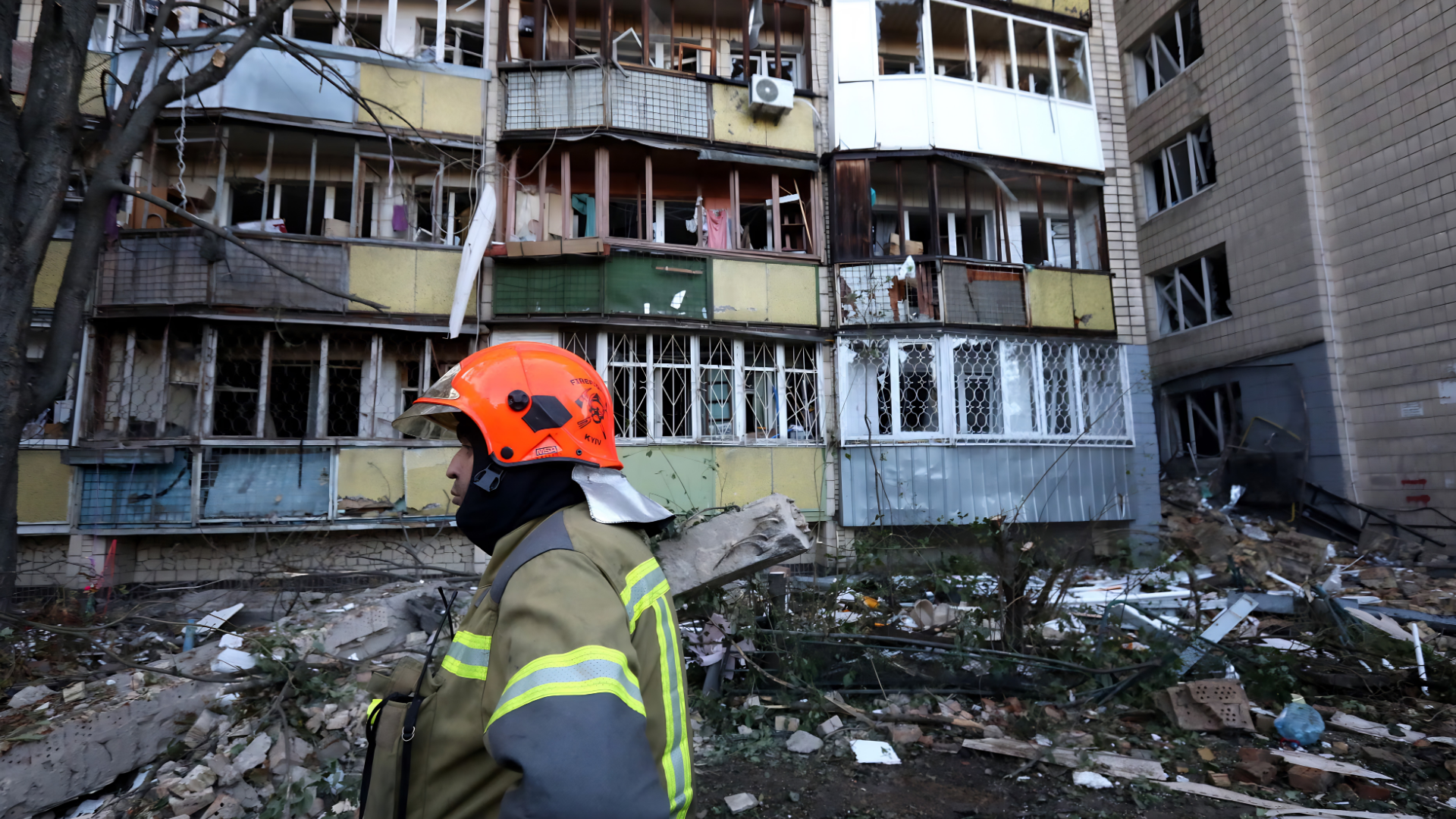
The conflict has also affected civilian communities in southern Lebanon. Reuters reported that residents have fled areas such as Tyre amid continuing Israeli military operations, with some communities fearing long-term displacement and damage to historic and religious sites.
Hezbollah’s latest attack claims show that the group continues to maintain military pressure against Israeli forces despite diplomatic efforts to reduce fighting. The group has repeatedly said its operations are linked to Israeli actions in Lebanon and the wider regional conflict.
For Israel, Hezbollah’s presence in southern Lebanon remains a major security issue. Israeli officials have repeatedly argued that military operations are necessary to reduce the threat posed by Hezbollah near the northern border.
For Lebanon, the continuing conflict has created major humanitarian, political and security challenges. Southern villages have faced repeated strikes, displacement and damage, while the Lebanese government remains under pressure to prevent the country from being dragged into a wider war.
The latest escalation also comes as Iran, Hezbollah’s key regional backer, remains central to wider diplomatic tensions involving the United States, Israel and regional actors. Reuters reported that Iran continues to view Lebanon as an important point of leverage in broader negotiations, while Lebanon’s government has called for sovereignty and a diplomatic solution to end the fighting.
The repeated attacks and counterattacks have made ceasefire efforts more difficult. Any sustained escalation could widen the conflict beyond the border zone and increase pressure on civilians already affected by months of instability.
Security analysts have warned that rising Hezbollah attacks could expand tensions across the Middle East, particularly because the conflict is connected to wider rivalries involving Israel, Iran-backed groups and regional diplomatic negotiations.
If attacks continue, Israel may intensify its military response in southern Lebanon, while Hezbollah may increase its use of rockets, drones and anti-armour weapons against Israeli positions. Such a cycle could make de-escalation harder and raise the risk of a broader regional confrontation.
For now, the situation along the southern Lebanon border remains tense, with both sides appearing to maintain a high level of military readiness. Hezbollah’s claim of 24 attacks in two days signals that the conflict remains active and unpredictable.
Hezbollah’s latest statement marks another serious development in the Lebanon-Israel conflict. The group’s claimed attacks on Israeli troops, vehicles and military positions show that the border front remains unstable, while the lack of a durable ceasefire continues to threaten wider regional security.