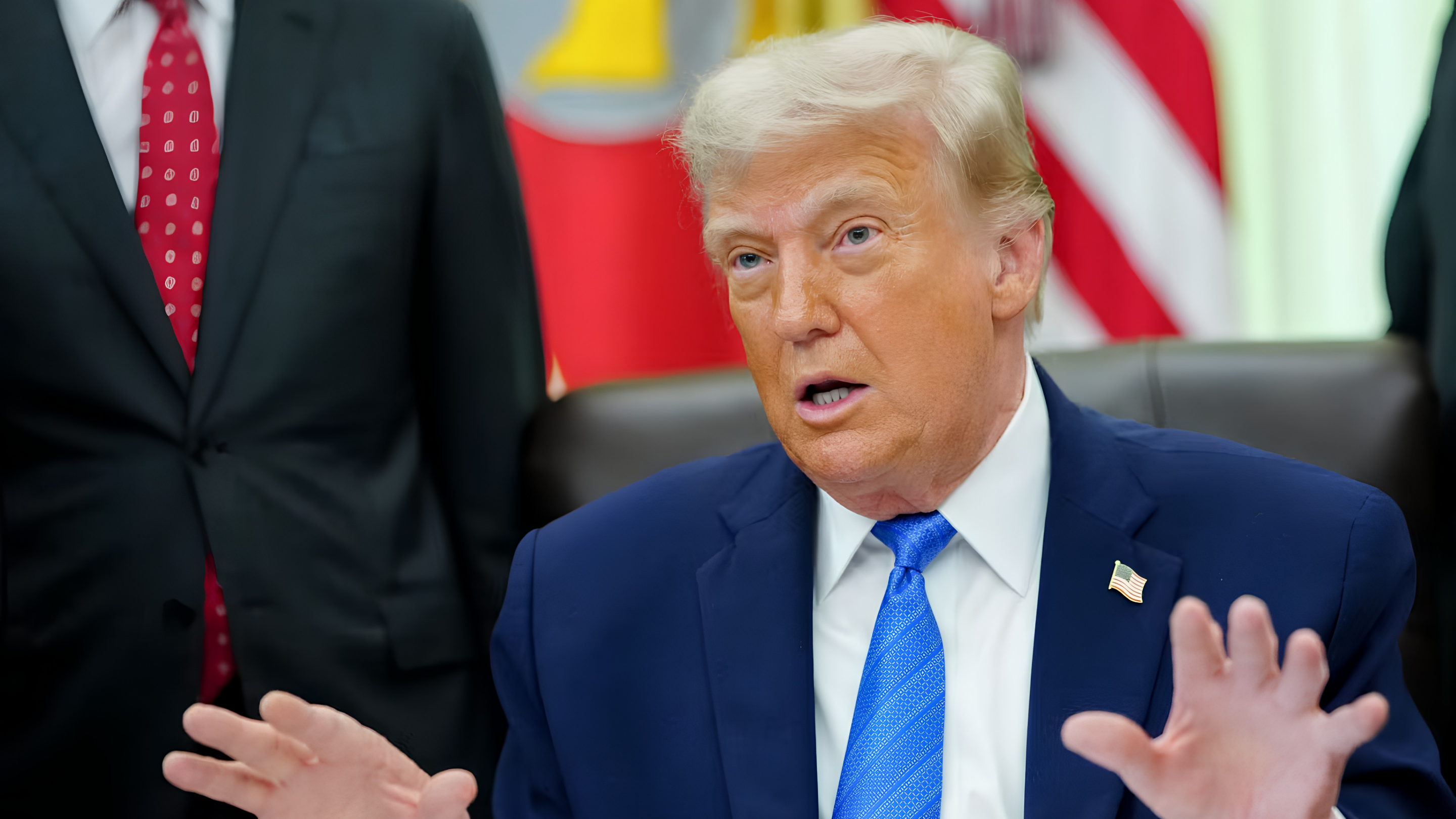
US President Donald Trump has withdrawn his threat to launch further military strikes against Iran, claiming that Washington and Tehran are close to signing a major peace settlement that could ease tensions in the Middle East.
Trump said the United States had cancelled scheduled strikes and bombings against Iran after what he described as progress in negotiations involving Iran and several regional players. According to Reuters, Trump said a “great settlement” with Iran could be signed within days, possibly over the weekend in Europe.

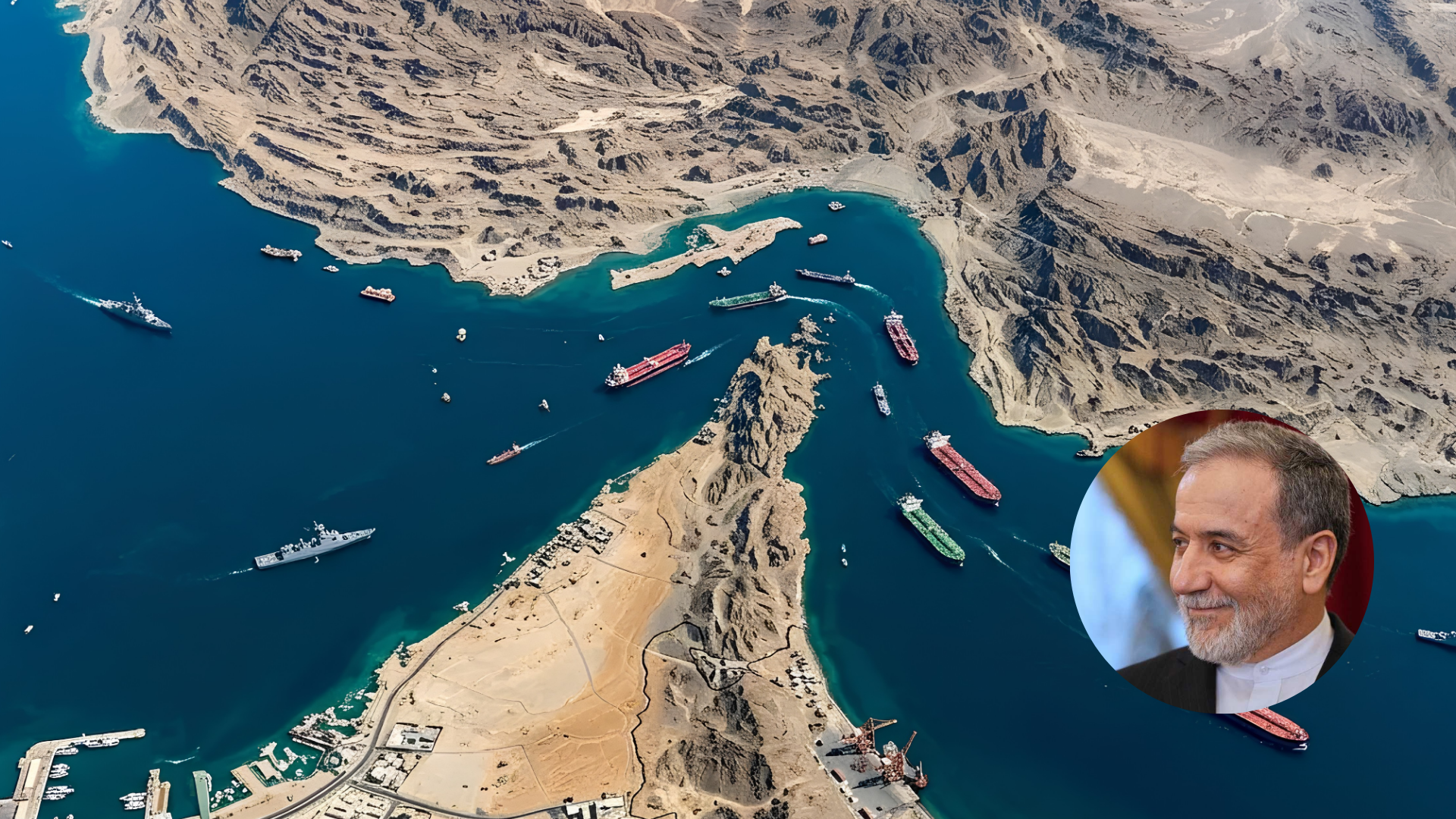
Speaking from the Oval Office, Trump said the agreement would lead to the reopening of the Strait of Hormuz, one of the world’s most important energy shipping routes. He said the strait would officially reopen once the deal is signed.
The Strait of Hormuz is highly strategic because it is a key route for global crude oil and liquefied natural gas shipments. Any disruption in the strait can quickly affect global energy prices, shipping activity and market confidence.
Trump also claimed that the proposed deal would ensure Iran does not obtain a nuclear weapon. He said preventing Iran from developing a nuclear weapon was the central purpose of the US pressure campaign and recent military escalation.
However, Iran has pushed back against Trump’s announcement. Axios reported that Tehran said no final decision had been made, even though talks had narrowed several key gaps. Iranian officials also said no preliminary memorandum of understanding with the United States had been formally approved.
This disagreement has created uncertainty over whether the deal is truly ready to be signed or whether Trump’s announcement reflects optimism before final approval from Iran’s top leadership.
According to Axios, Trump said Iran’s leadership had approved a draft agreement that would extend the ceasefire, reopen the Strait of Hormuz and launch 60 days of negotiations on Iran’s nuclear programme. But Iranian officials said the agreement had not yet reached a final stage.
The negotiations reportedly involve several sensitive issues, including the release of Iranian frozen assets, arrangements for reopening the Strait of Hormuz and the structure of future nuclear talks. Axios reported that Qatari mediation helped narrow gaps on these three major areas.
Trump said he had spoken with Israeli Prime Minister Benjamin Netanyahu and leaders from Qatar, the United Arab Emirates, Saudi Arabia, Bahrain and Kuwait. He also said he planned to speak with Turkish President Recep Tayyip Erdogan as part of efforts to secure regional backing for the deal.
The proposed settlement comes after weeks of renewed military tension between the United States, Iran and Israel. Reuters reported that both sides had traded strikes during the week, placing pressure on a ceasefire that had been announced in April.
Earlier, Trump had threatened that the US military would attack Iran again if negotiations failed to move forward. However, he later cancelled the planned strikes after claiming that final points of an initial peace deal had been approved.
The situation remains fragile because Iran and the United States still appear to disagree on whether the deal has actually been finalised. Iranian Foreign Ministry spokesperson Esmail Baghaei said most of the text had already been finalised, but accused the Americans of repeatedly changing their positions. He also said Iran had not reached a final decision.
The main challenge now is whether both sides can translate the reported progress into a signed agreement. Trump has suggested that a signing could take place soon, while Iran is signalling that more internal review is needed.
One of the most important issues is the Strait of Hormuz. Trump wants Iran to end restrictions on shipping through the strait, while Tehran has linked its position to broader demands involving sanctions relief, frozen assets and regional security. CNA, citing Reuters, reported that Iran’s demands include an end to Israeli attacks in Lebanon, the lifting of sanctions, release of frozen assets and recognition of its control over the strait.
The United States, meanwhile, wants any peace deal to guarantee that Iran cannot develop a nuclear weapon. Iran continues to deny that it is seeking nuclear weapons.
The dispute over Iran’s nuclear programme remains one of the most difficult parts of the talks. A short-term ceasefire or shipping agreement may be easier to reach, but long-term limits on uranium enrichment, inspections and sanctions relief would require more complex negotiations.
Axios reported that the proposed memorandum of understanding may reopen the strait and lift the US blockade, but nuclear issues and sanctions relief would still require further negotiation.
This means that even if a preliminary deal is signed, it may not fully resolve the US-Iran conflict. Instead, it could create a temporary framework for further talks and reduce the immediate risk of war.
The role of regional countries is also important. Qatar and Pakistan have been reported as mediators in previous stages of the talks, while Gulf states are closely watching the outcome because any conflict involving Iran could directly affect their security and energy exports.
Israel is another major factor. Although Israel is not directly part of the US-Iran memorandum, Netanyahu’s government is expected to closely monitor any agreement involving Iran’s nuclear programme, missile capacity and regional allies.
According to Axios, Netanyahu was reportedly caught by surprise when Trump announced the deal claim, showing that coordination between Washington and Israel may still be sensitive.
The peace push also comes as fighting linked to Iran-backed groups continues to complicate the wider regional picture. CNA reported that clashes involving Israel and Iran-backed Hezbollah in Lebanon have continued, with Israeli strikes and Hezbollah attacks adding pressure to the broader diplomatic process.
This makes the proposed US-Iran settlement more complicated than a simple bilateral agreement. The conflict involves nuclear concerns, energy routes, sanctions, Israel’s security demands, Iran’s regional influence and the stability of Gulf countries.
If the deal succeeds, it could reduce the risk of wider war, reopen the Strait of Hormuz and calm global energy markets. It may also create a formal negotiation window to address Iran’s nuclear programme and future sanctions relief.
If the deal fails, the region could return to military escalation. Trump had already threatened further strikes, and Iran has shown willingness to respond militarily when attacked.
For global markets, the biggest immediate concern is the Strait of Hormuz. Any reopening under a signed settlement could ease pressure on oil and gas shipments. However, if talks collapse, uncertainty over the strait may continue to support higher energy prices.
For Trump, the announcement gives him a chance to present himself as a dealmaker who avoided another major war. However, Iran’s denial of final approval means the White House still faces the risk that the agreement may not materialise as quickly as Trump has claimed.
For Iran, the deal could offer a pathway to reduced pressure, but Tehran is likely to insist on guarantees involving sanctions, frozen assets and regional security before giving final approval.
Trump’s decision to withdraw his threat of immediate strikes marks a major diplomatic shift. While the US president says a peace deal with Iran is close, Tehran’s cautious response shows that the agreement is not yet final.
The next few days will be critical. If both sides sign a preliminary memorandum, the Middle East may move toward a fragile diplomatic pause. If the talks break down again, the region could face renewed military escalation and deeper uncertainty over energy security, nuclear negotiations and regional stability.