KUALA LUMPUR,June,2026 – US President Donald Trump has warned that he could launch renewed military strikes against Iran if Tehran fails to reach a nuclear agreement with the United States, adding fresh uncertainty to an emerging peace framework between the two countries.
According to Astro Awani, Trump told The New York Times that if Iran does not reach a nuclear deal with Washington, he would restart military attacks on Tehran or make the United States the “guardian of the Middle East” in return for 20 per cent of the region’s revenues.

The warning came as the United States and Iran moved closer to a preliminary agreement aimed at ending months of military conflict, reopening the Strait of Hormuz and creating a path for further nuclear negotiations. Reuters reported that US and Iranian officials had agreed on a framework to end their war, halt the US blockade of Iran and reopen the Strait of Hormuz, although the fate of Iran’s nuclear programme would be addressed in later talks.
Trump said the deal with Iran was “complete”, while Pakistani Prime Minister Shehbaz Sharif, whose country has served as a mediator, announced that an agreement had been reached. Reuters reported that the memorandum of understanding is scheduled to be officially signed on Friday in Switzerland.
The preliminary framework reportedly includes the immediate and permanent termination of military operations on all fronts, including Lebanon. Iran’s Supreme National Security Council also said military operations on all fronts would end permanently starting Monday night, according to Reuters.
However, Trump’s latest warning shows that the agreement remains fragile. While the peace framework may stop the fighting in the short term, the nuclear issue remains unresolved and could become the main obstacle in the next phase of negotiations.
Iran’s deputy foreign minister Kazem Gharibabadi said a broader agreement would be negotiated during a 60-day ceasefire period, including sanctions relief for Iran. Reuters reported that the nuclear programme is expected to be one of the major issues addressed in those later talks.
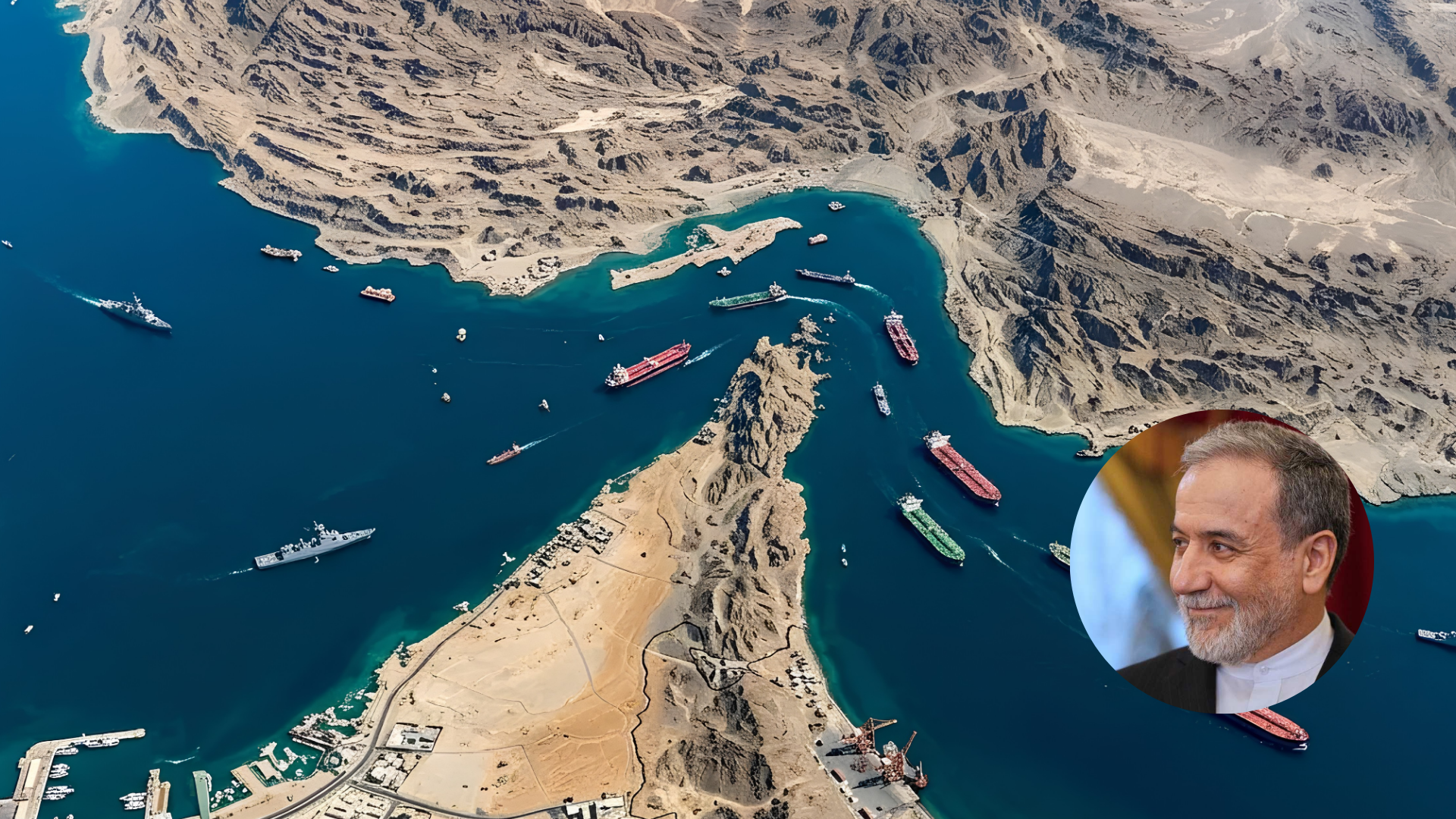
The Strait of Hormuz remains central to the agreement. Trump said the strategic waterway would reopen and that he had ordered the end of the US blockade of Iranian ports. Reuters reported that the strait had been effectively shut for months, affecting global oil and gas supplies.
A senior Iranian official told Reuters that the draft memorandum includes Iran immediately reopening the Strait of Hormuz to all commercial vessels, while the United States would lift its naval blockade on Iranian ports. The lifting of the blockade would begin immediately after the memorandum is signed and be completed within 30 days.
The draft also includes major financial and sanctions-related terms. Reuters reported that the United States would agree not to impose new sanctions until a final deal is reached, waive oil sanctions for a specified period and release US$25 billion in Iranian frozen assets.
On the nuclear issue, the draft states that Tehran would agree not to produce or acquire nuclear weapons. Pending a final agreement, Iran would maintain the current status of its nuclear programme and refrain from further uranium enrichment or expansion of nuclear facilities.
The United States would also allow Iran to dilute its stockpile of highly enriched uranium on Iranian soil under a future comprehensive agreement. Reuters reported that Iran’s enrichment activities, nuclear infrastructure and stockpile management would be negotiated within 60 days of the memorandum.
This structure means the current framework is not yet a full nuclear deal. Instead, it appears to be a ceasefire and de-escalation arrangement designed to stop military operations first, before both sides move into more difficult nuclear negotiations.
Trump’s warning is therefore significant because it sets a hard condition for the next stage. His message suggests that Washington may be willing to accept an initial peace framework, but still expects Iran to make concessions on its nuclear programme.
The statement may also be aimed at domestic political audiences in the United States. Reuters noted that Trump has faced pressure from Iran hawks within his own party who insist that Iran’s nuclear programme must be completely shut down.
Some analysts have also suggested that the preliminary agreement leaves many of Trump’s original objectives unresolved. Reuters reported that the framework appears to defer discussions over ending Iran’s nuclear programme, which was one of Trump’s main stated war aims.
This could make the agreement politically sensitive. If the deal is seen as giving Iran sanctions relief without immediately dismantling its nuclear capacity, Trump may face criticism from hardliners in Washington and from regional allies.
Israel’s position also remains important. Reuters reported that Israel was not party to the US-Iran talks and had no immediate reaction to the announcement. Israel has previously opposed limits on its military operations in Lebanon and has expressed concern over any agreement that does not fully address Iran’s nuclear and regional influence.
Astro Awani reported that Trump said the agreement with Iran had been reached despite objections from Israeli Prime Minister Benjamin Netanyahu.
The deal has also affected global financial markets. Reuters reported that the US dollar fell to a 10-day low as news of the US-Iran peace framework pushed oil prices lower and boosted demand for riskier assets. Brent crude futures fell more than 4 per cent to US$83.82.
However, market caution remains. Reuters reported that investors are still watching how quickly the Strait of Hormuz can actually reopen and how long it will take for oil flows to return to normal.
For global energy markets, the reopening of the Strait of Hormuz could be highly significant. The waterway is one of the world’s most important routes for oil and gas shipments, and disruption there can quickly affect fuel prices, shipping costs and inflation.
For Iran, the agreement could offer a pathway to sanctions relief, access to frozen assets and reduced military pressure. For the United States, it could provide a way to end an unpopular conflict while keeping pressure on Tehran over nuclear issues.
Still, the biggest challenge is whether both sides can move from a preliminary peace framework to a final nuclear agreement. The 60-day negotiation window may become a critical test of whether diplomacy can replace military escalation.
If Iran agrees to verifiable limits on its nuclear programme, the deal could become a major diplomatic breakthrough. But if talks stall or collapse, Trump’s warning suggests that military action could return.
The situation also shows how deeply connected the nuclear issue is to regional security, sanctions, oil markets and the wider balance of power in the Middle East.
Overall, Trump’s warning adds pressure to the next phase of US-Iran diplomacy. While the preliminary agreement may stop the fighting and reopen the Strait of Hormuz, the future of the deal will depend on whether Washington and Tehran can reach a final nuclear understanding within the coming negotiation period.
Until that happens, the peace framework remains an important but fragile step rather than a complete resolution of the US-Iran conflict.