KUALA LUMPUR, June 2026 — Singapore has recorded 119 dengue cases in the week ending June 13, representing a sharp increase from the previous week and marking the highest weekly dengue count reported so far this year. The latest figures have raised concerns among health authorities as the nation enters its traditional dengue peak season.
According to data released by Singapore’s National Environment Agency (NEA), the latest weekly tally is approximately three times higher than the numbers recorded earlier in the year and reflects a growing risk of dengue transmission across the city-state. Health officials reported that dengue cases increased by 39 compared to the previous week, highlighting an accelerating trend in infections.

As of June 15, authorities identified 12 active dengue clusters across Singapore. Four of these clusters have been placed under red alert status, indicating areas with 10 or more reported cases and a heightened risk of community transmission.
The largest active cluster currently involves 34 reported cases in the Countryside Road and Lentor Avenue area. Other significant clusters include Jalan Bangau and Jalan Jarak, Neram Road and Nim Crescent, as well as Lilac Drive and Mimosa Road. These locations are being closely monitored by health officials as part of ongoing vector control efforts.
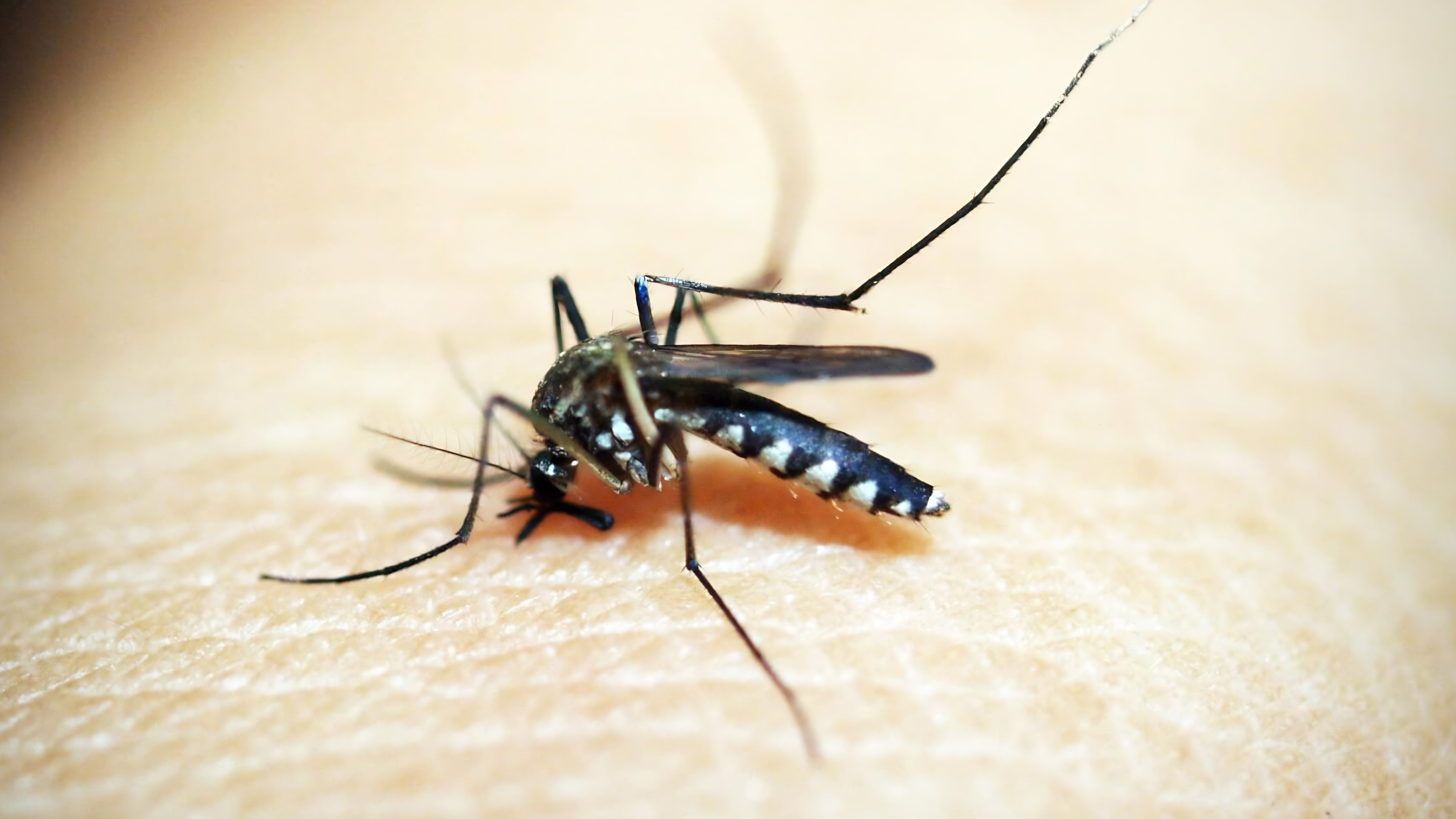
The NEA has urged residents to remain vigilant and eliminate potential mosquito breeding sites around homes and workplaces. Singapore’s tropical climate, combined with warmer temperatures between May and October, creates ideal conditions for the Aedes mosquito—the primary carrier of the dengue virus—to reproduce rapidly and spread infections more efficiently.
Authorities are encouraging the public to conduct regular inspections of their premises, remove stagnant water, and cooperate with mosquito control operations. Residents living in affected areas have also been advised to use insect repellents, wear protective clothing, and seek medical attention promptly if they develop dengue-like symptoms such as high fever, severe headaches, muscle pain, or skin rashes.
Despite the recent surge, Singapore’s cumulative dengue cases for 2026 remain lower than the levels seen during major outbreaks in previous years. However, health experts warn that sustained vigilance will be critical in preventing a larger outbreak during the months ahead.
The government continues to intensify mosquito control measures and public awareness campaigns as part of its broader strategy to curb dengue transmission and protect public health.