KUALA LUMPUR,June, 2026 — Prime Minister Datuk Seri Anwar Ibrahim’s two-day working visit to Kazan has marked a significant milestone in Malaysia-Russia relations, with both countries agreeing to strengthen cooperation in energy security, trade, investment, tourism and technology.
The main highlight of the visit was Russia’s commitment to guarantee long-term supplies of petrol, oil and gas to Malaysia. Anwar said the arrangement would provide greater certainty to Malaysians and reduce dependence on agreements that must be renewed every year or arranged only for specific seasons.

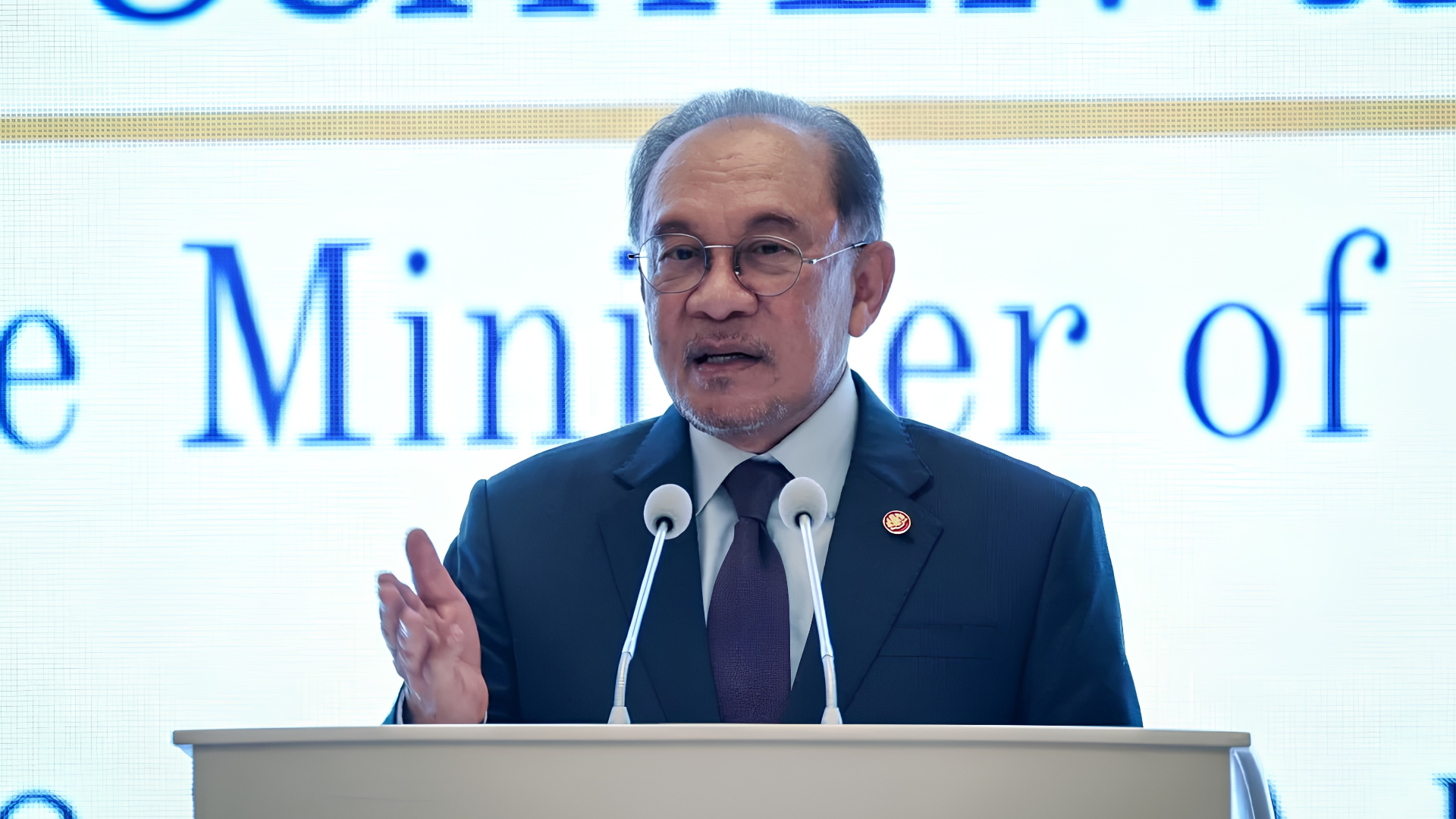
Speaking to Malaysian media after the close of his working visit to the ASEAN-Russia Commemorative Summit, Anwar said preparations would now be made to establish a long-term agreement between the two countries.
According to Anwar, Russia had not only assured Malaysia of petrol, oil and gas supplies, but had also agreed to provide them under a long-term framework. He said approval had already been given, company representatives had travelled to Russia, and the process was now at the stage of signing and finalising the agreement.
The Prime Minister said the draft agreement was already available and the main principles had been agreed upon. He added that once the Malaysian delegation returned, the relevant parties would be asked to expedite the process so the details could be reviewed and the agreement signed.
The development is important for Malaysia because energy security has become a major national priority amid global uncertainty, volatile oil prices, geopolitical tensions and supply chain disruptions. Malaysia is seeking to strengthen and diversify its energy supply to ensure long-term stability for consumers and industries.
Anwar said Malaysia is currently not facing a supply problem, although prices could still be affected by global market conditions. He noted that earlier concerns over supply, especially diesel and gas, had eased, with diesel now showing a slight surplus from a supply standpoint.
The visit also built on Anwar’s earlier appreciation to Russian President Vladimir Putin for supporting stronger energy cooperation between Malaysia and Russia, particularly involving Petronas. Anwar said bilateral mechanisms between the two countries have expanded into areas such as trade, investment, finance and the halal economy.
Energy cooperation was one of the central themes of the Kazan visit. Malaysia sees Russia as a major potential partner in oil and gas, including downstream activities, refining and petrochemicals. This is especially relevant because Tatarstan is one of Russia’s major oil-producing regions.
Anwar also held a bilateral meeting with Rustam Minnikhanov, the Rais of the Republic of Tatarstan. Both sides discussed opportunities to expand cooperation in trade, investment, education, tourism, the halal industry, technology and talent development.
The focus on Tatarstan adds another layer to Malaysia-Russia cooperation. Beyond federal-level ties with Moscow, Malaysia is also exploring direct economic and industrial links with Russian regions that have strong capacity in energy, manufacturing, education and technology.
At the regional level, Anwar welcomed the finalisation of the ASEAN-Russia Strategic Programme on Trade and Investment Cooperation 2026-2035, describing it as an important catalyst for the next phase of economic collaboration between ASEAN and Russia.
The broader ASEAN-Russia summit in Kazan marked the 35th anniversary of Russia-ASEAN relations. Leaders at the summit agreed to expand the strategic partnership between Russia and ASEAN, covering areas such as security, trade, investment, energy, agriculture, digitalisation, science, tourism and humanitarian contacts.
Putin said the Russia-ASEAN strategic partnership serves as a stabilising factor in the Asia-Pacific amid geopolitical turbulence. AP reported that the summit also produced a declaration reaffirming support for a just multipolar world based on international law and the principles of the United Nations Charter.
For Malaysia, the Kazan visit fits into a wider strategy of strengthening relations with multiple global partners while protecting national interests. In the energy sector, this means securing reliable long-term supply options at a time when international markets remain exposed to conflict, sanctions, shipping risks and price volatility.
Anwar has repeatedly emphasised that Malaysia must be more proactive in pursuing economic cooperation with Russia and other emerging partners. During the Kazan visit, he said Malaysia can no longer be held back by an overly cautious approach to international economic engagement.
Beyond oil and gas, Anwar highlighted wider opportunities in energy security, cybersecurity, agriculture, digital technology, scientific research and higher education. These sectors reflect Malaysia’s interest in building a broader economic relationship with Russia, rather than limiting cooperation to traditional commodities.
The visit also touched on tourism and people-to-people ties. Anwar called for the quick implementation of visa-free travel and the establishment of direct flights between Malaysia and Russia, saying these steps could help boost tourist arrivals and strengthen exchanges between both countries.
Improved air connectivity could be important for business travel, tourism and education exchanges. Direct flights would make it easier for companies, students, investors and tourists from both countries to move between Malaysia and Russia.
Trade and investment figures also show room for growth. In 2024, total ASEAN-Russia trade stood at US$18.1 billion, while Russian foreign direct investment in ASEAN was recorded at RM367.90 million, or US$92.97 million.
For Malaysia, Russia was the country’s ninth-largest trading partner among European nations in 2025, with total trade valued at RM8.72 billion, or US$2.04 billion. Malaysia’s main exports to Russia included electrical and electronic products, machinery, equipment and parts, and processed food, while major imports included petroleum products, minerals, chemicals and chemical-based products.
These figures show that the Malaysia-Russia relationship already has a trade foundation, but the latest energy commitment could push the partnership into a more strategic phase. A long-term oil and gas supply framework would make energy one of the strongest pillars of bilateral cooperation.
Anwar’s working visit to Kazan was part of the ASEAN-Russia Commemorative Summit, and he was accompanied by Investment, Trade and Industry Minister Datuk Seri Johari Abdul Ghani and Deputy Economy Minister Akmal Nasrullah Mohd Nasir.
After concluding the Kazan visit, Anwar departed for Turkmenistan for a two-day official visit, continuing his Central Asian tour aimed at strengthening energy cooperation and exploring opportunities to enhance Malaysia’s long-term oil and gas supply.
The Turkmenistan leg is significant because it shows that Malaysia is not relying on one partner alone. Instead, Putrajaya is actively exploring multiple energy relationships to ensure that domestic supply remains stable in the long term.
Anwar described the Kazan visit as productive and successful, while expressing hope that the official visit to Turkmenistan would bring even greater outcomes.
Anwar’s Kazan visit has delivered several important outcomes: stronger Malaysia-Russia ties, progress toward a long-term petrol, oil and gas supply agreement, wider cooperation in trade and technology, and renewed momentum in ASEAN-Russia relations.
The development is suitable for Update News because it involves current diplomatic engagement, energy security, Malaysia’s international trade strategy and a major foreign policy move involving Russia and ASEAN.
For Malaysia, the most important takeaway is energy certainty. If the long-term agreement is finalised, it could help protect the country from future supply disruptions and provide a stronger foundation for national economic planning.