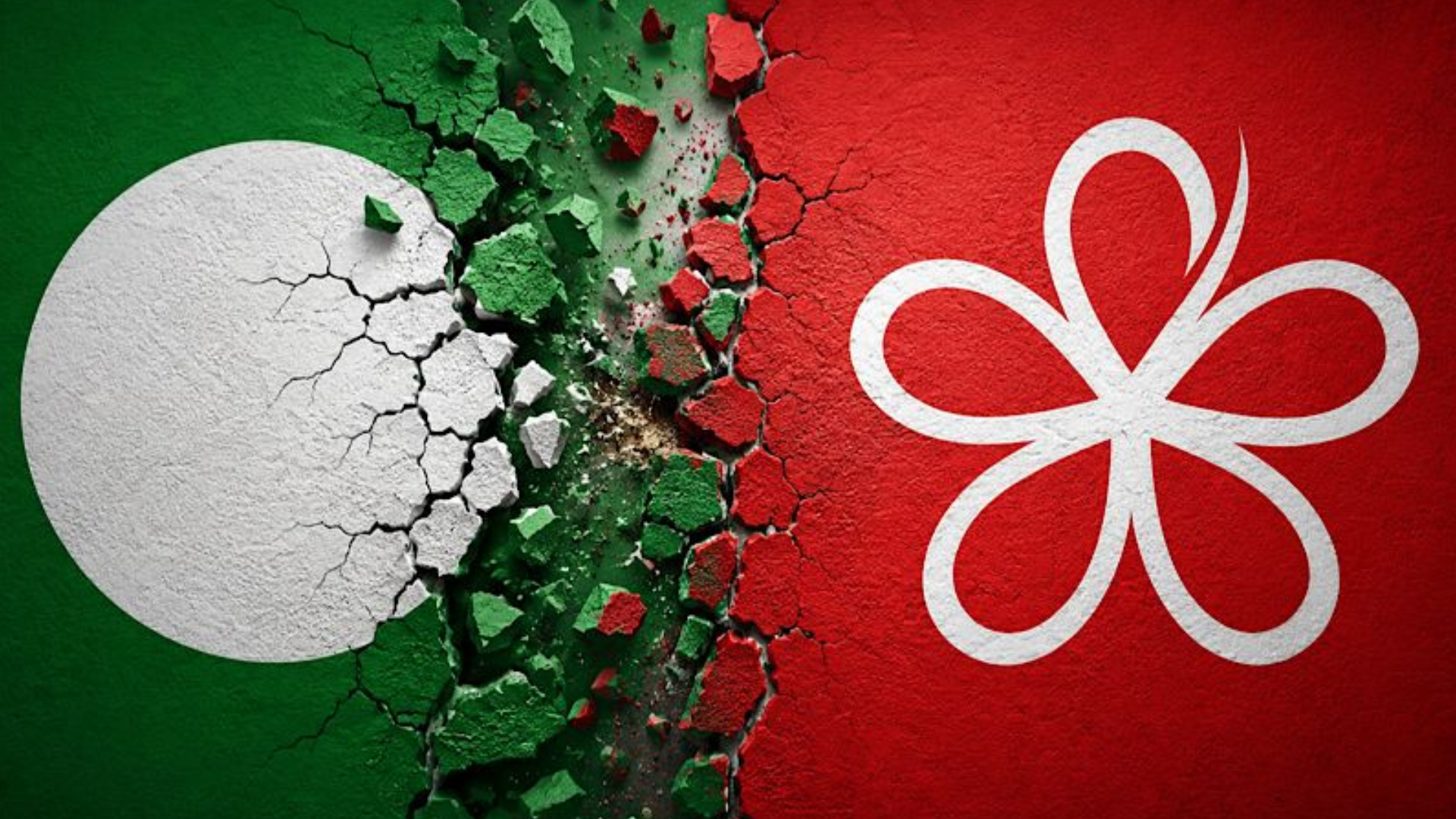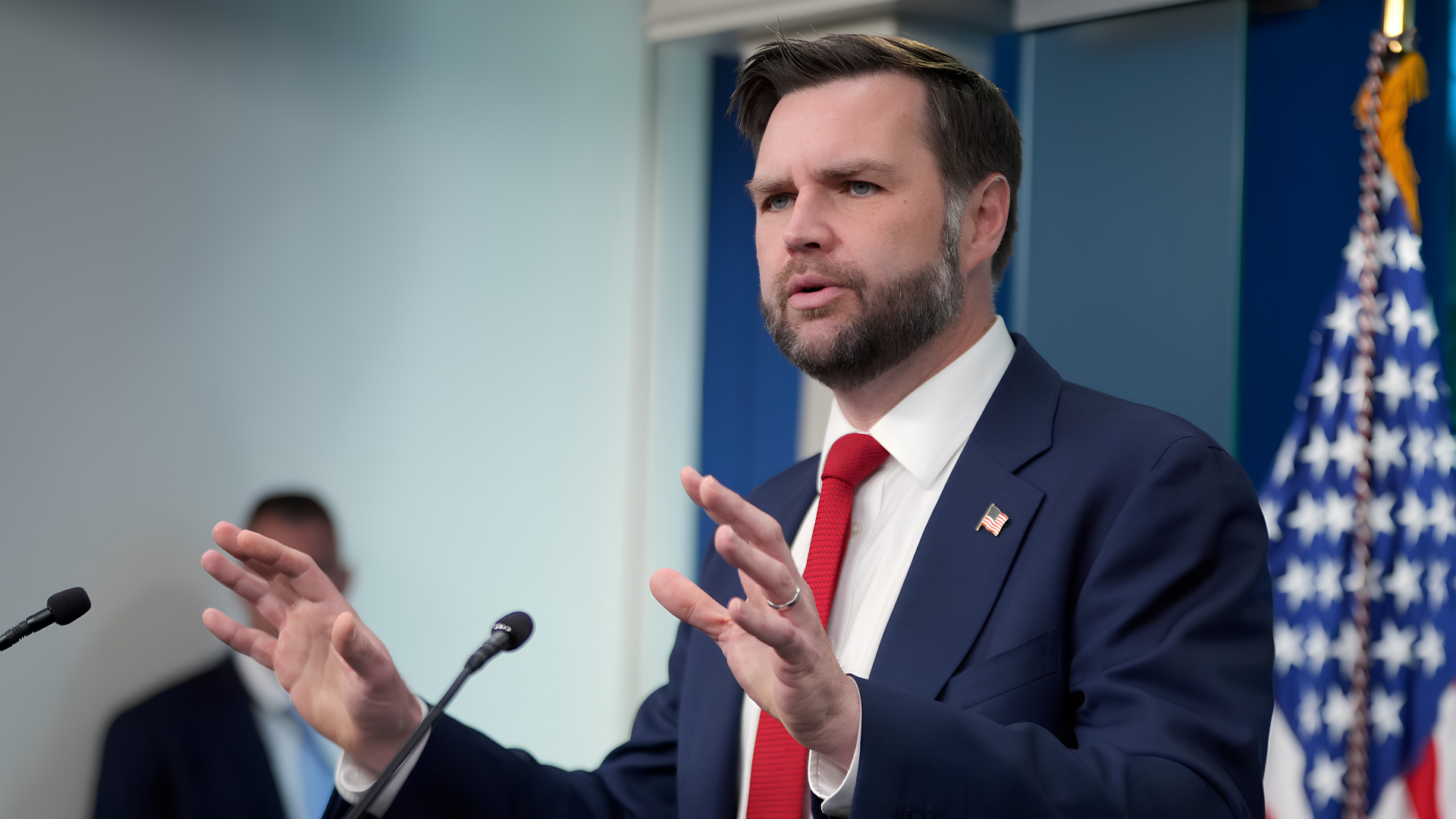
KUALA LUMPUR, June, 2026 — The United States has cancelled Vice President JD Vance’s planned trip to Switzerland for Iran peace talks, deepening uncertainty over the implementation of a fragile agreement aimed at ending months of conflict between Washington and Tehran.
According to a White House spokesperson, Vance had been expected to travel to Switzerland to meet Iranian negotiators and begin complex talks on implementing the 14-point agreement reached between the United States and Iran. However, the trip was called off before the delegation departed.

The cancellation came as confusion grew over whether a formal signing ceremony would take place in Geneva. US officials had earlier said a ceremony would be held for the US-Iran agreement, but Iran’s Foreign Ministry questioned the need for such an event after both countries’ presidents had already signed the agreement on Wednesday.
Iran had previously indicated that it was prepared to begin technical talks after both sides extended a fragile ceasefire for at least 60 days under the accord. However, Iran’s semi-official Tasnim news agency reported that Iranian negotiators wanted to see signs of US implementation before further talks could begin.
Tasnim also reported that there was no confirmation that Iran’s delegation would travel to Geneva, adding another layer of uncertainty to the peace process. The White House said Vance and the US delegation had been ready to depart once plans were finalised, but admitted that the logistics of the negotiations had not been simple or predictable.
The diplomatic confusion is a major setback for a peace framework that was expected to reduce tensions after a regional war that has killed at least 7,000 people, pushed energy prices higher and shaken global markets.
The uncertainty also comes at a sensitive time for US President Donald Trump, who has been defending the Iran agreement against criticism from some of his own Republican allies in Congress. Several critics have questioned whether Trump gave up too much in order to end a war that had become increasingly unpopul
Before the agreement, Trump had publicly demanded Iran’s “unconditional surrender.” However, the memorandum signed with Tehran instead includes sanctions relief, the unfreezing of tens of billions of dollars in assets and immediate US waivers allowing Iran to export oil.
Iran’s Supreme Leader Ayatollah Mojtaba Khamenei said Trump had signed the deal out of desperation and warned that future nuclear talks would not be easy. He said Iran would not accept excessive demands from the American side.
The agreement gives both sides 60 days to negotiate the future of Iran’s nuclear programme, unless Washington and Tehran agree to extend the period. The framework also includes a US$300 billion reconstruction fund for Iran and other financial incentives.
Vance said Washington would also seek to limit Iran’s long-range missiles, showing that the next phase of talks may cover not only nuclear issues but also Iran’s broader military capabilities.
When the US and Israel launched the war nearly four months ago, Trump said his goals included destroying Iran’s nuclear programme, stopping Tehran from striking neighbouring countries, preventing support for anti-Israel armed groups and creating conditions for political change inside Iran.
However, the current agreement does not fully achieve those original objectives. Under the deal, Iran restated its long-standing position that it will not develop nuclear weapons, agreed to onsite down-blending of its highly enriched uranium stockpile and accepted inspections by the International Atomic Energy Agency as a Non-Proliferation Treaty member.
The agreement does not remove Iran’s enriched uranium stockpile from the country, which had been one of Trump’s earlier demands. This has led critics to argue that Iran may now be in a stronger negotiating position after surviving a major conflict with the United States and Israel.
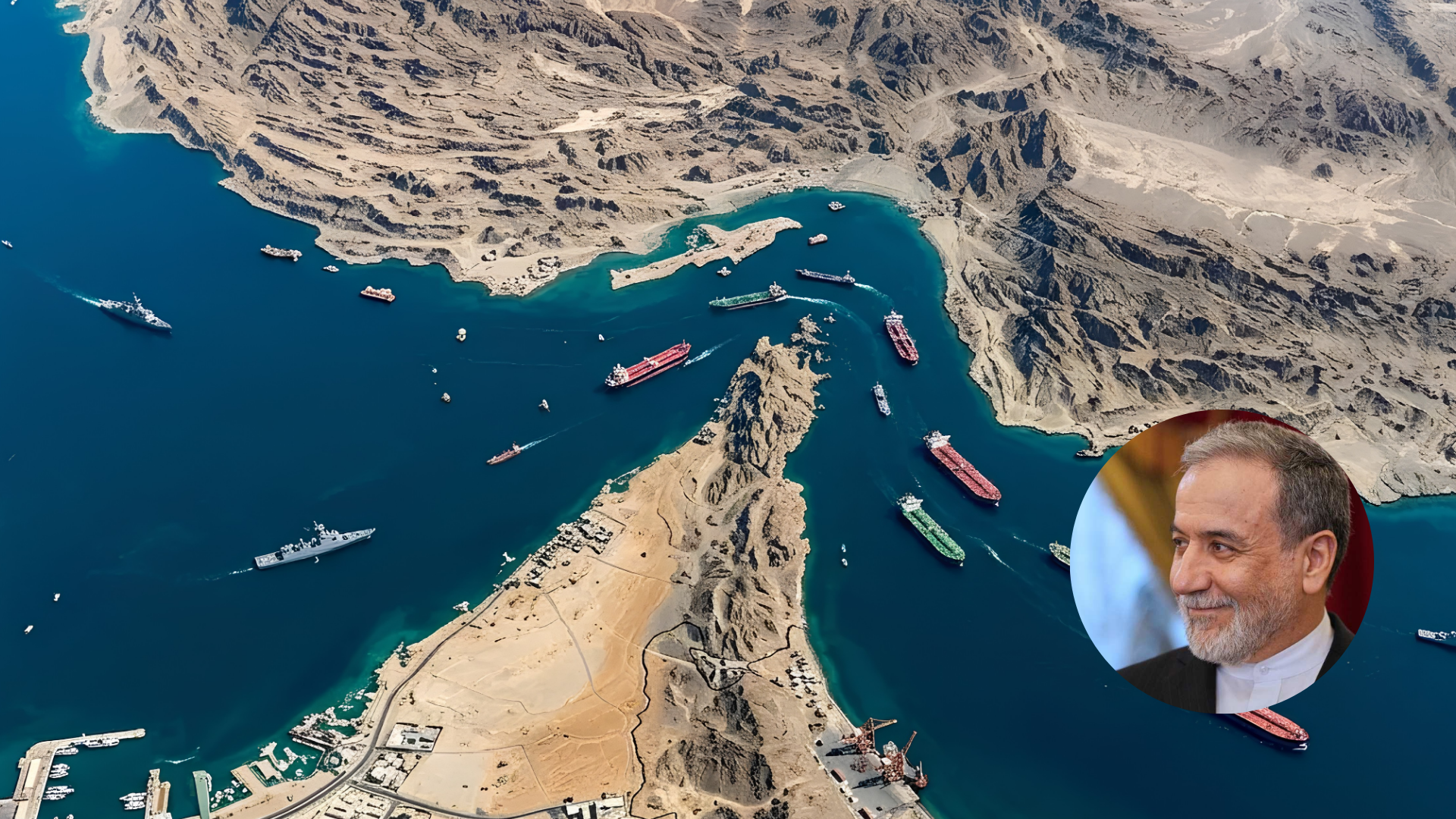
Another key issue is the Strait of Hormuz, one of the world’s most important oil shipping routes. Iran has said it will continue to exert control over the waterway in partnership with Oman and intends to charge ships fees for services introduced after the war, although no fees will be charged during the 60-day negotiation period.
The oil-export waivers and Hormuz arrangement are especially important because the war had disrupted energy markets and increased pressure on global shipping. Any renewed confrontation could quickly affect crude prices, transport costs and supply chains.
The peace deal is also being tested by renewed fighting in Lebanon. Israel, which was not included in the US-Iran talks and has distanced itself from the accord, has continued military operations against Hezbollah, an Iran-allied group.
The latest Israeli operations in Lebanon have raised serious questions about whether the truce can hold across the wider region. Trump has said he expects a complete ceasefire on all fronts, but Israel has said it has no intention of withdrawing from Lebanon.
The deal calls for the permanent termination of the war in Lebanon and for Lebanon’s territorial integrity and sovereignty to be protected. However, Israel has released a new map showing an expanded occupation zone, creating a major point of tension between Washington and one of its closest allies.
The situation has created one of the biggest rifts in years between the United States and Israel. Trump has become openly critical of Israeli operations in Lebanon, while Israel continues to argue that its presence is necessary for security reasons.
In Lebanon, more than a million people have been displaced by the fighting. Fresh Israeli airstrikes have added pressure to the fragile peace process and raised doubts over how far Trump is willing to go to force his wartime allies to comply with the broader ceasefire framework.
The cancellation of Vance’s trip therefore reflects more than just a scheduling issue. It shows that the US-Iran agreement is facing problems even before detailed negotiations have properly begun.
For Washington, the challenge is to prove that the agreement can deliver real restrictions on Iran’s nuclear and missile programmes while also maintaining pressure on Tehran. For Iran, the priority appears to be seeing concrete US implementation before committing to further technical discussions.
For regional players, the biggest concern is whether the peace framework can stop fighting beyond the direct US-Iran front. The Lebanon issue remains especially dangerous because it involves Israel, Hezbollah and Iran-linked networks.
The Geneva confusion also weakens the symbolic momentum of the agreement. A formal signing ceremony would have allowed Washington to present the peace framework as a diplomatic achievement, but Iran’s hesitation and the cancellation of Vance’s trip have instead highlighted the deal’s fragility.
The next 60 days will be critical. Negotiators must address nuclear restrictions, sanctions relief, oil exports, missile limits, regional ceasefire commitments and the future of Iranian influence in the Middle East.
If talks resume successfully, the agreement could become a turning point in reducing regional tensions. But if either side delays implementation or if fighting in Lebanon continues to escalate, the deal could lose credibility before it produces a lasting settlement.
the cancellation of Vance’s trip marks a major diplomatic warning sign. The US-Iran peace process is still alive, but confusion over Geneva, Tehran’s caution and Israel’s continued military operations in Lebanon show that the truce remains highly fragile.
The development is suitable for Update News because it involves a fresh diplomatic setback, current US-Iran negotiations, uncertainty over a peace agreement and wider consequences for the Middle East conflict.