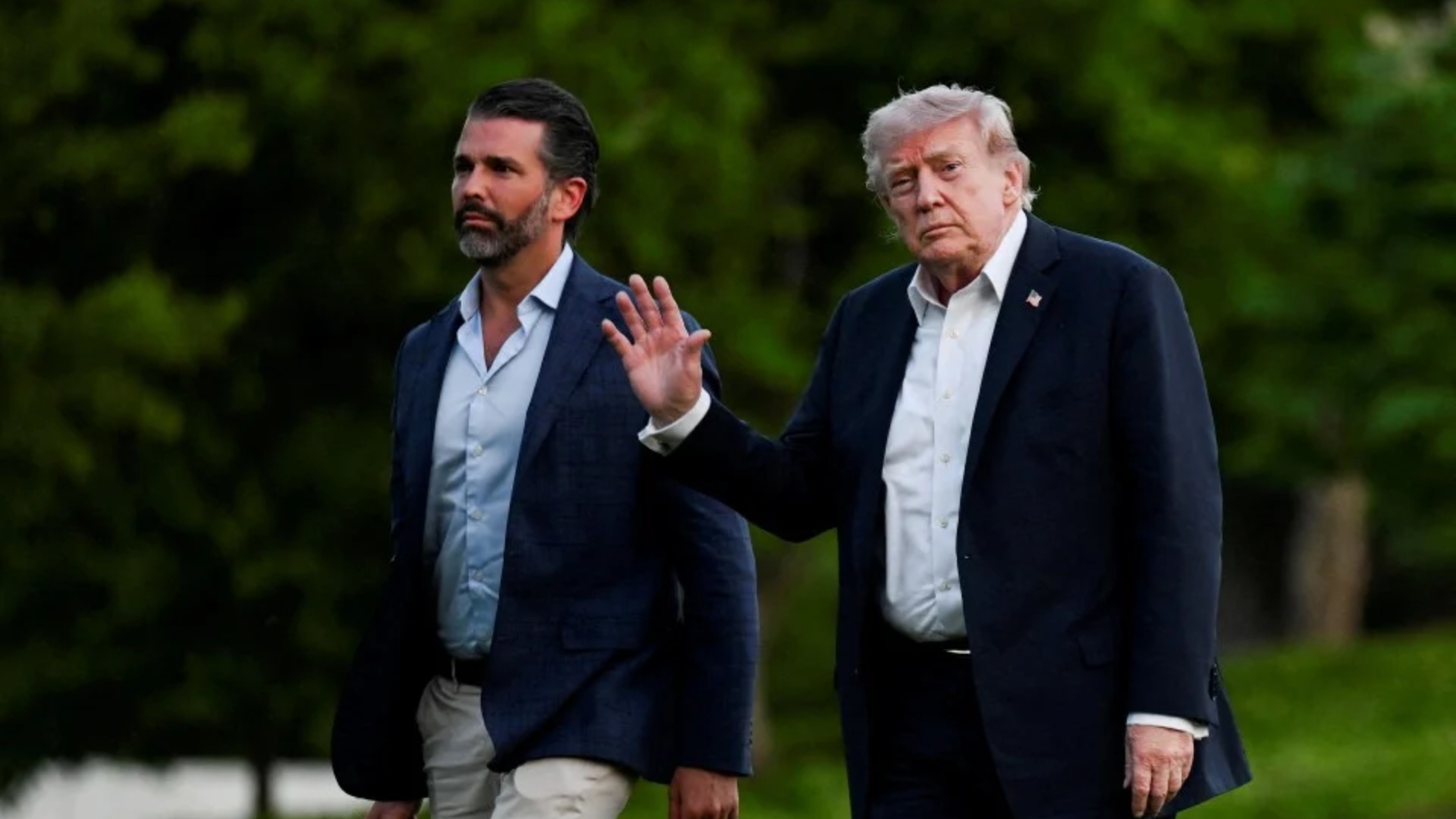
KUALA LUMPUR, JULY 2026 — U.S. President Donald Trump has expressed optimism over ongoing talks with Iran, saying Tehran has made major progress as both countries continue efforts to reach a broader peace and security agreement.
Speaking to reporters, Trump said the United States was “getting along very well” with Iran and that recent meetings in Qatar had gone well. He also said the denuclearisation of Iran was “moving along well,” suggesting that Washington sees the latest discussions as a positive step toward reducing tensions in the region.

The remarks come as U.S. and Iranian officials continue indirect technical talks in Doha, Qatar. The discussions are focused on several critical issues, including the movement of shipping through the Strait of Hormuz, the release of frozen Iranian funds and efforts to secure a lasting ceasefire.
The Strait of Hormuz remains one of the most important waterways in the world, handling a major portion of global oil shipments. Any disruption in the area can immediately affect energy markets, shipping routes and geopolitical stability.
According to Reuters, the latest U.S.-Iran technical talks were held in the Qatari capital as both sides sought to agree on the flow of shipping through the strait and maintain the ceasefire framework. Qatar and Pakistan have been involved as mediators in the process.
Trump’s son-in-law Jared Kushner and U.S. envoy Steve Witkoff also met Qatar’s prime minister to help prepare the groundwork for the negotiations, although they were not expected to directly attend the technical discussions.
Trump struck a confident tone, saying Iran had “come a long way.” His comments suggest that Washington believes Tehran is now more willing to negotiate on issues that previously created deadlock between the two sides.
The main issue remains Iran’s nuclear programme. Trump has repeatedly stated that his priority is to ensure Iran does not develop or possess nuclear weapons. The U.S. position is that any agreement must include clear commitments on nuclear restrictions, monitoring and long-term compliance.
For Iran, negotiations are also linked to sanctions relief, frozen funds and its role in regional maritime security. Tehran has long argued that economic pressure from Washington must be reduced if any long-term agreement is to succeed.
The talks are taking place after a period of heightened tension in the Gulf region. The Edge Malaysia reported that oil prices fell after Qatar said indirect talks between Iran and the U.S. had made “positive progress.” The market reaction showed how closely energy traders are watching every development in the negotiations.
Brent crude fell to around US$70.84 a barrel, while U.S. West Texas Intermediate dropped to about US$67.75 a barrel in early trading after the talks concluded. Both benchmarks had also fallen more than one per cent in the previous session, reaching their lowest levels in four months.
The decline in oil prices reflected market hopes that diplomacy could keep the Strait of Hormuz open and prevent another major disruption to global energy supply.
Sources cited by The Edge Malaysia said U.S. and Iranian negotiators spent two days in Doha discussing maritime traffic in the Strait of Hormuz and the unfreezing of Iranian funds. These two issues are central to the current phase of negotiations because they involve both economic and security concerns.
Despite the positive tone, the situation remains fragile. The two countries have exchanged strikes in recent weeks following an Iranian attack on a cargo ship, and Tehran continues to insist on greater recognition of its control over the strait.
Iran has also repeatedly stated its intention to impose tolls on shipping through the strait after a toll-free period under an initial agreement ends in mid-August. The United States, however, is expected to oppose any arrangement that could restrict free navigation or increase costs for international shipping.
This makes the Strait of Hormuz one of the most sensitive points in the negotiations. For Washington, keeping the waterway open is essential for global trade and energy stability. For Tehran, control over the strait is a strategic bargaining tool.
The outcome of the talks could have major consequences beyond the Middle East. A successful deal could calm oil markets, reduce military risks and open the door to wider diplomatic engagement. Failure, however, could trigger renewed escalation and fresh instability in the Gulf.
Trump’s latest comments appear aimed at projecting confidence that a deal is still possible. By saying Iran has made strong progress, he is signalling that the White House believes diplomacy may still deliver results despite months of tension.
However, analysts are likely to remain cautious. Previous U.S.-Iran negotiations have often faced setbacks due to disagreements over sanctions, uranium enrichment, inspections and regional military influence.
For now, the latest round of talks in Doha has created a sense of cautious optimism. The positive market reaction and Trump’s remarks suggest that both sides may be trying to keep diplomacy alive while avoiding another military confrontation.
Still, major questions remain unanswered. It is not yet clear whether Iran will fully accept U.S. demands on its nuclear programme, whether Washington will offer significant sanctions relief, or whether both sides can agree on the long-term status of the Strait of Hormuz.
The coming weeks will be crucial. If negotiators can turn technical progress into a formal agreement, it could mark one of the most important diplomatic breakthroughs in U.S.-Iran relations in years.
For now, Trump’s statement that Iran has “come a long way” has raised expectations that both sides may be closer to a deal than before. But with nuclear policy, sanctions and maritime control still on the table, the path to lasting peace remains complex.