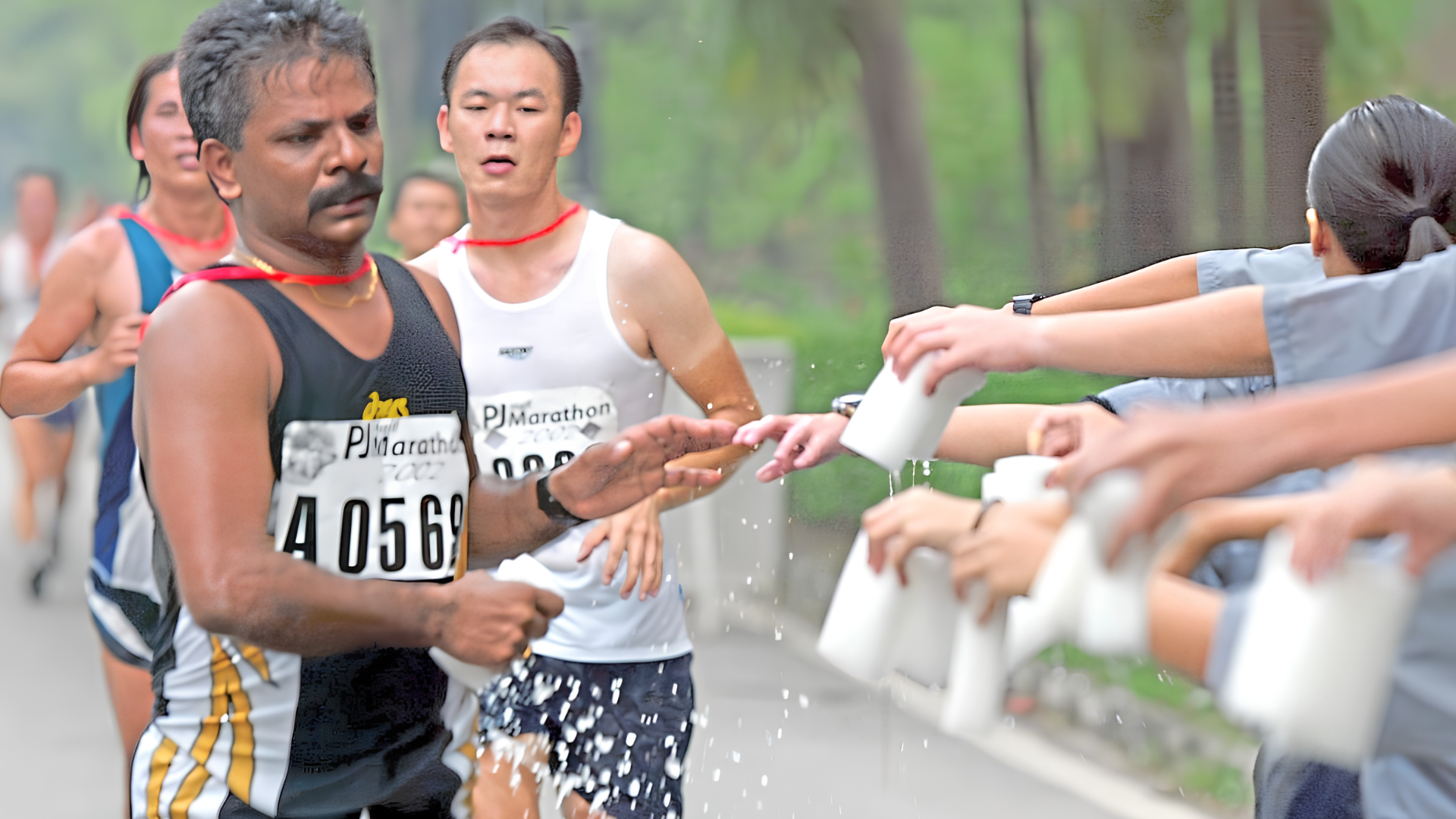
KUALA LUMPUR, JULY 2026 – Exercising in Malaysia’s hot and humid climate can place additional strain on the body, making proper hydration and temperature management essential for a safer and more comfortable workout.
Body temperature rises during physical activity, while sweating causes the body to lose water and electrolytes. Without sufficient fluid replacement and cooling, exercise performance may decline and the risk of heat-related illness can increase.

One common question is whether cold or room-temperature water is better during exercise. Exercise organisations generally support cool drinks during physical activity, particularly in warm conditions, because they can help lower body temperature and may encourage some people to drink more. However, the most suitable temperature ultimately depends on the activity, climate, duration and personal comfort.
Cold water may provide a quicker cooling sensation during intense workouts, while room-temperature water can be easier to consume rapidly and may feel gentler on the stomach. The report notes that neither option is universally superior, meaning exercisers should choose the temperature that helps them drink consistently without discomfort.
Rather than drinking a large amount at once, taking small and regular sips throughout a workout can help maintain hydration. Waiting until intense thirst develops may leave the body behind on fluid replacement, particularly during long sessions or outdoor exercise.
Water is generally sufficient for shorter or moderate workouts. However, longer and more demanding sessions that produce heavy sweating may also require electrolytes, particularly sodium, to replace minerals lost through perspiration. Individual needs can vary based on exercise intensity, weather, body size and personal sweat rate.
Simple cooling methods can also help when the body begins to feel overheated. Cold compresses, damp towels or ice packs may be placed on areas such as the neck, armpits or groin, where larger blood vessels are located close to the skin. Cooling these areas can help reduce heat stress and provide faster relief.
Other practical options include carrying a small frozen water bottle wrapped in a cloth, using a portable gel pack or applying a cold towel to the wrists, forehead or behind the knees. These methods may be particularly useful in indoor spaces with limited ventilation or during outdoor exercise in humid conditions.
Workout timing is another important consideration. Exercisers are advised to avoid the hottest part of the day where possible and schedule outdoor activities in the morning or evening. Starting at a slower pace and gradually increasing intensity can also give the body more time to adjust to warm conditions.
Clothing should be lightweight, breathable and suitable for the activity. Exercisers should also look for shaded or well-ventilated areas, take regular breaks and reduce workout intensity when temperatures or humidity levels become uncomfortable.
Warning signs should never be ignored. Headache, nausea, dizziness, weakness, excessive thirst, unusually heavy sweating, muscle cramps and reduced urine output may indicate heat exhaustion or dehydration. Anyone experiencing these symptoms should stop exercising, move to a cool place and begin cooling down.
Confusion, fainting, seizures or a severely altered mental state can signal a medical emergency and require immediate professional assistance. Exercisers should also avoid consuming excessive amounts of fluid in a short period, as overhydration can create a dangerous electrolyte imbalance.